
Researchers
Our research is structured into research themes, programs of work and teams. We are committed to collaboration and to work together.

Research theme leaders

BA (Education) PhD Candidate
Director of First Nations Strategy and Leadership; Head, First Nations Health and Equity Research
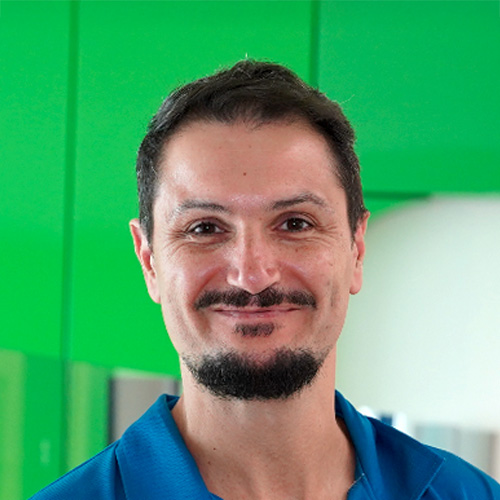
BSc PhD
Head, Chronic Diseases Research
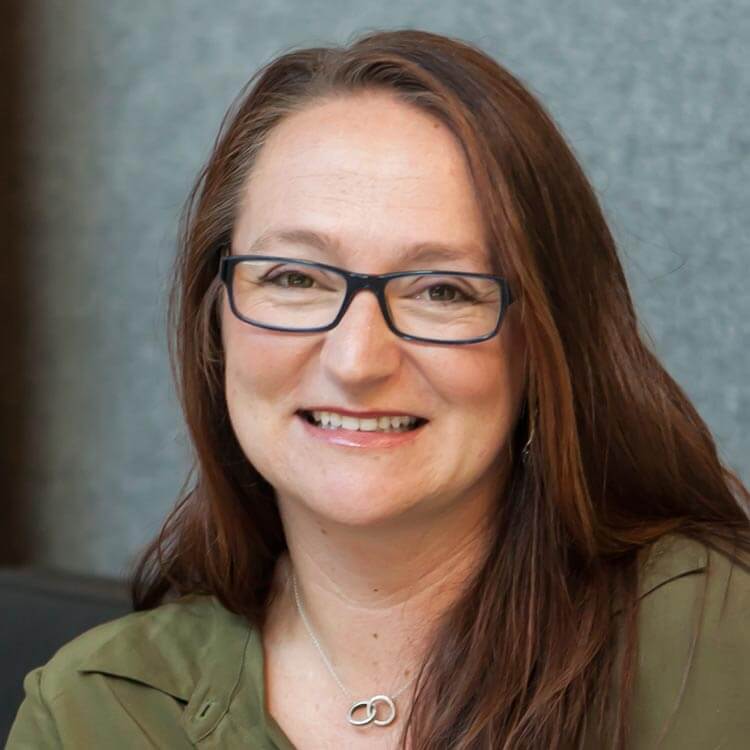
OAM BSc (Hons) GradDipClinEpi PhD

BSc (Hons) PhD
Theme Head, Wellbeing and Mental Health
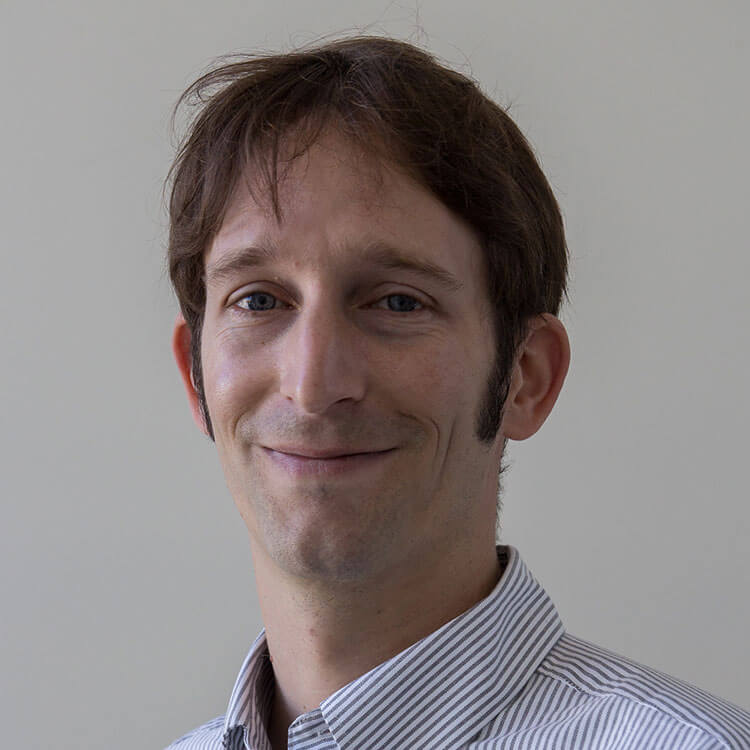
BSc (Hons) MSc PhD
Feilman Fellow; Head, Precision Health Research and Head, Translational Intelligence
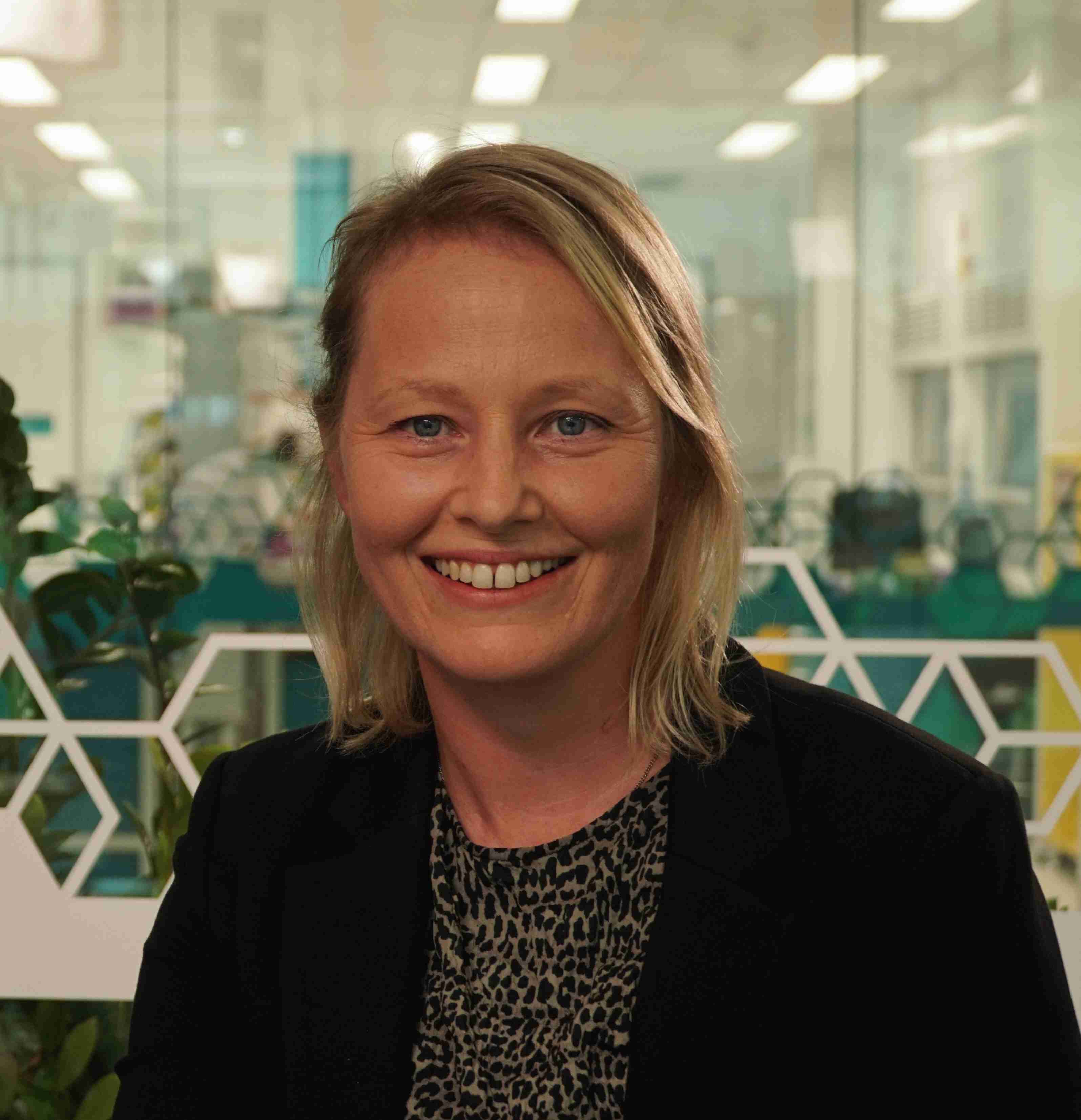
BMedSci (hons), PhD
Shaping excellence
Rewarding excellence
Learn more about how The Kids rewards research excellence
Learn more about how The Kids rewards research excellenceResearch governance
We pride ourselves on conducting research to the highest standards possible
Find out more about research governanceCurrent career opportunities
Want to join our team and help make a difference to child health?
Learn more about Current career opportunitiesHelp shape our research
Find out how you can involve consumers and the community in your research
Help shape our researchReports & findings
Body Mass Index Trajectories Among Patients with Drug-Susceptible and Drug-Resistant Tuberculosis in Northwest Ethiopia
A retrospective cohort study was conducted using clinical data from patients attending TB clinics at four public hospitals in Northwest Ethiopia. We modelled BMI trajectories after TB treatment initiation using linear mixed models, with adjustments for potential confounders.
Malaria in Papua New Guinean infants: a prespecified analysis of a randomised postpartum antimalarial treatment trial
There are scant and variable data concerning the incidence of malaria in infants in endemic areas. This study evaluated the impact of maternal antimalarial treatment given postpartum on malaria incidence and growth/development in infants from coastal Papua New Guinea (PNG).
A Single-Armed Pilot Study to Evaluate a Psychosocial Intervention for Young People Who Have Experienced a Burn Injury: The Wellbeing Study
Children with serious burns often suffer psychosocial consequences. This study evaluated the pilot of a 6-session psychoeducational intervention newly designed to support the wellbeing of children who experienced burns.
Stochastic models indicate rapid smallpox spread and mass mortality of Indigenous Australians after colonial exposure
The impact of smallpox (variola) on Aboriginal communities in Australia beginning in 1789 was catastrophic and continues to cause intergenerational trauma. Historically biased perspectives and contemporary misinformation of the disease's introduction and spread impede modern-day truth-telling and efforts towards reconciliation and national healing.