
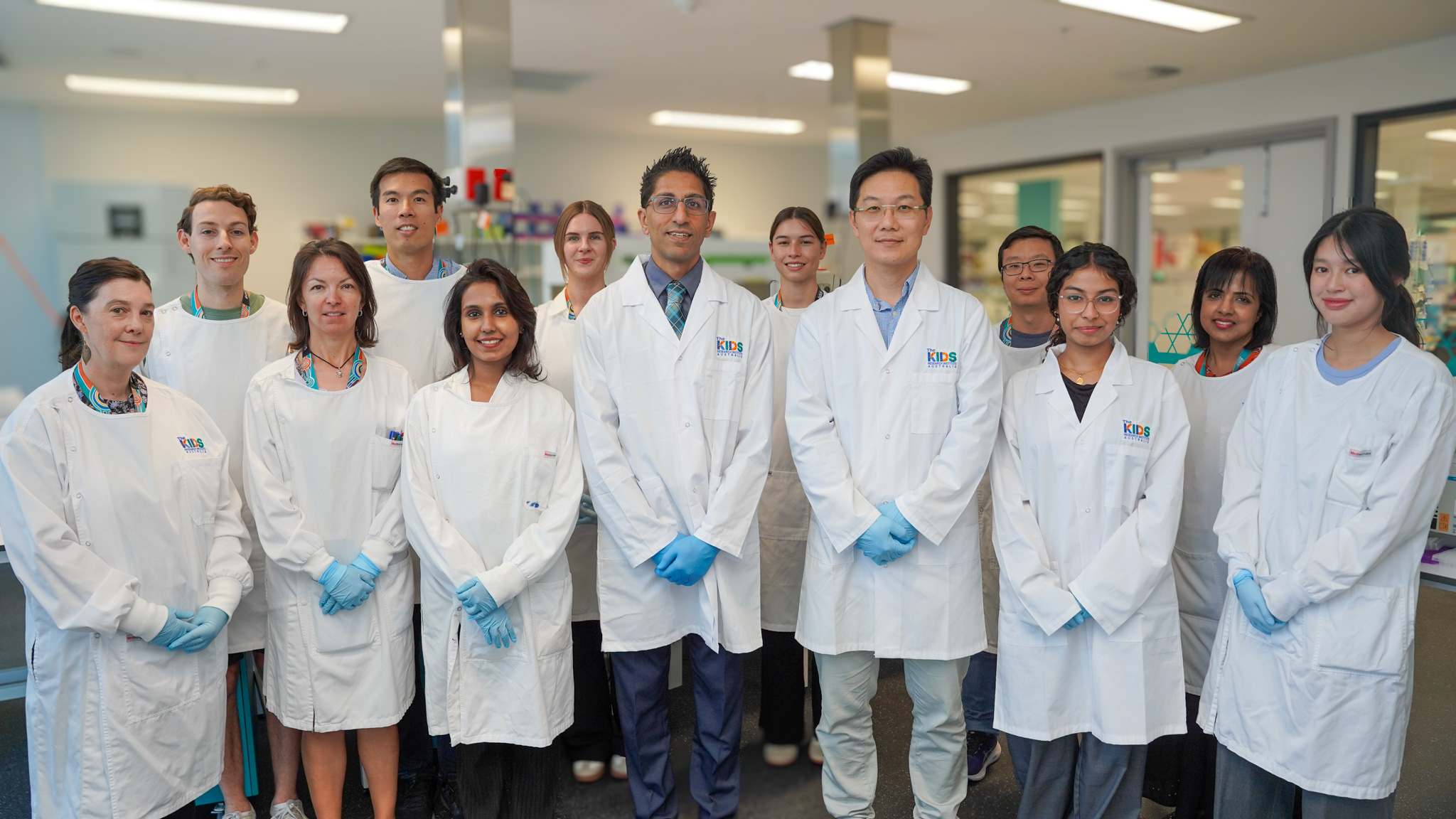
Leukaemia is the most common form of cancer in children.
Remarkable therapeutic advances have been made over the past sixty years and 5-year survival now exceeds 90% for certain subgroups. However, despite this progress, leukaemia is the second most frequent cause of death from cancer in children. This is predominantly due to disease relapse, with many children also suffering from treatment-related toxicity and a poor initial response to conventional chemotherapy.
Our overarching goal focuses on developing innovative therapeutic strategies and identifying novel drugs that can be readily translated into clinical practice to improve the outcomes for children suffering from leukaemia.
To realise this goal, the research focus of the Leukaemia Translational Research team is divided into four main streams:
- Phenotypic drug discovery using established and novel disease models to identify efficacious new drugs and drug combinations that can be readily translated into clinical practice for children with leukaemia
- Studying the development of leukaemia within the bone marrow and the interaction of leukaemia cells with the surrounding cells within the bone marrow to identify novel therapeutic targets and new treatment strategies
- Modelling the long-term complications resulting from leukaemia therapy to evaluate treatments aimed at preventing such complications
- Conducting clinical studies which investigate avenues to prevent infectious complications in children with cancer
These streams are facilitated by direct access to primary patient samples and the development of new preclinical disease models for childhood leukaemia. These resources are utilised to characterise the genetic and molecular mechanisms that underpin specific leukaemia subtypes, conduct preclinical assessment of drug efficacy and establish mechanisms of drug action and response. Together, with existing clinical collaborations with the Children’s Oncology Group, International BFM Study Group and Interfant Study Group, the team aims to facilitate rapid clinical translation of their research, to ultimately improve the outcome, care and overall well-being of children suffering from leukaemia.
Team leaders
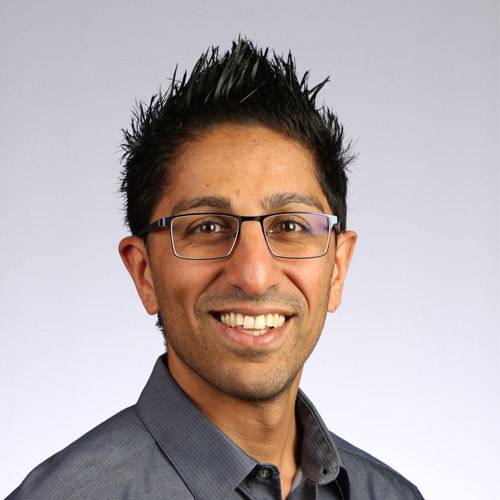
MB ChB (Hons) MRCPCH FRACP PhD
Co-Head, Leukaemia Translational Research
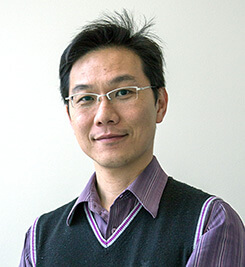
BPharm (Hons) MBA PhD
Team members (10)
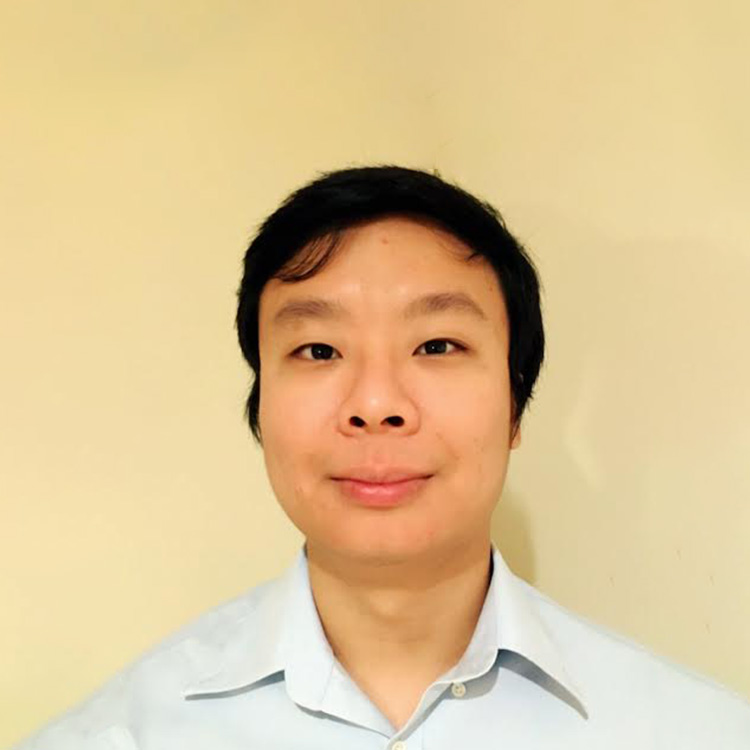
BSc(Hons), PhD
MBBS FRACP FRCPA PhD
Postdoctoral Research Fellow

Joyce Oommen
Research Assistant
Emanuela Ferrari
Research Assistant
Taylor Ferguson
PhD Student
Maren Jinks
PhD Student
Yasmin Henderson-Kelly
PhD Student
Abigail Lim
PhD Student
Claire Jelaca
Honours Student
Charlotte Chia
Honours Student
Leukaemia Translational Research projects
Featured projects
Therapeutic opportunities from dissecting the pre-B leukaemia bone marrow microenvironment
Novel therapeutics approaches for infants with high-risk infant acute lymphoblastic leukaemia