
Search
In obstructive airway diseases such as asthma and chronic obstructive pulmonary disease (COPD), the extracellular matrix (ECM) protein amount and composition of the airway smooth muscle (ASM) is often remodelled, likely altering tissue stiffness. The underlying mechanism of how human ASM cell (hASMC) mechanosenses the aberrant microenvironment is not well understood.
Understand how bronchopulmonary dysplasia (BPD) and antenatal and postnatal factors influence diaphragmatic functional effectiveness in very preterm infants.
Small airway and lung parenchymal abnormalities frequently occur following preterm birth but are commonly missed by spirometry. Static lung volumes, diffusing capacity of the lung for carbon monoxide (D LCO) and oscillometry provide a more precise characterisation of these conditions. We hypothesised that differences in these measures exist between individuals born preterm and at term and we aimed to systematically review the literature to identify and quantify these differences in lung function.
Burkholderia cepacia complex causes life-threatening respiratory infections. Here, a bacteriophage with activity against B. cenocepacia was isolated from wastewater. It has a genome size of 70,144 bp and has the taxonomic classification Irusalimvirus. It has no genes associated with lysogeny, bacterial resistance, or virulence.
Many survivors of preterm birth will have abnormal lung development, reduced peak lung function and, potentially, an increased rate of physiological lung function decline, each of which places them at increased risk of chronic obstructive pulmonary disease across the lifespan.
Citation: Wang KCW, Elliot JG, Saglani S, et al. The airway smooth muscle layer is structurally abnormal in low birth weight infants: implications
Antisense oligonucleotides are an emerging therapeutic option to treat diseases with known genetic origin. In the age of personalised medicines, antisense oligonucleotides can sometimes be designed to target and bypass or overcome a patient's genetic mutation, in particular those lesions that compromise normal pre-mRNA processing. Antisense oligonucleotides can alter gene expression through a variety of mechanisms as determined by the chemistry and antisense oligomer design.

The Wal-yan Respiratory Research Centre is thrilled to see three researchers awarded prestigious Medical Research Future Fund (MRFF) Chronic Respiratory Conditions grants to improve lung health in children.

Five researchers from The Kids Research Institute Australia have been awarded three-year fellowships with the aim of keeping more WA-based PhD graduates involved in child health research.
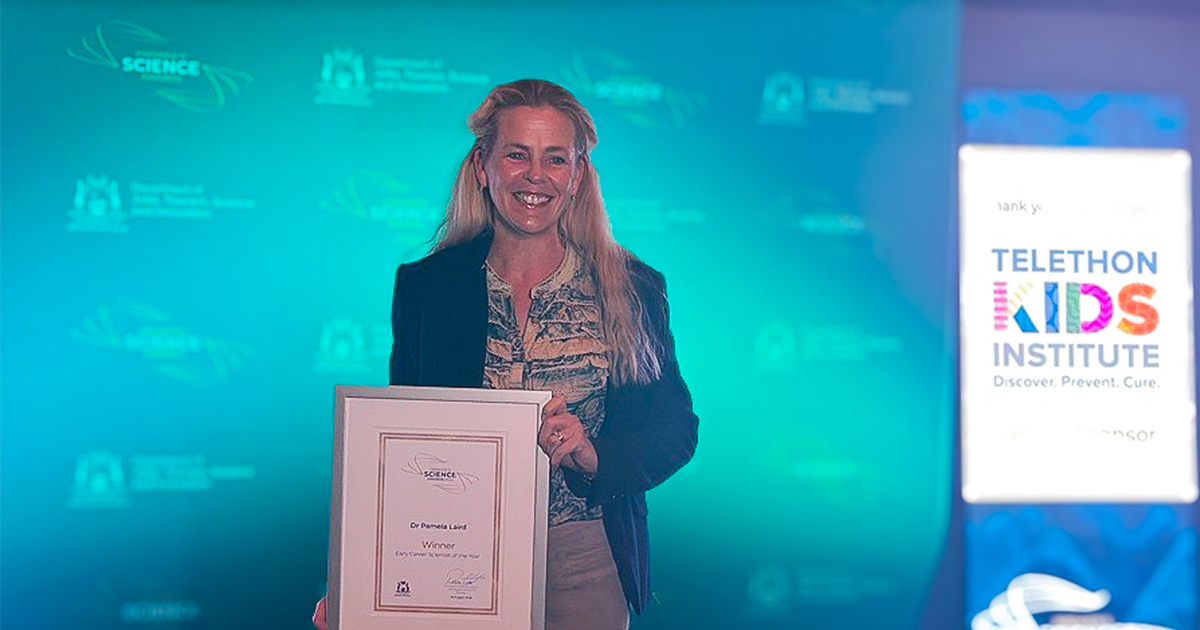
Congratulations to respiratory health researcher and clinician Dr Pam Laird, who was last night named joint winner of Early Career Scientist of the Year at the 2024 Premier’s Science Awards.