
Search
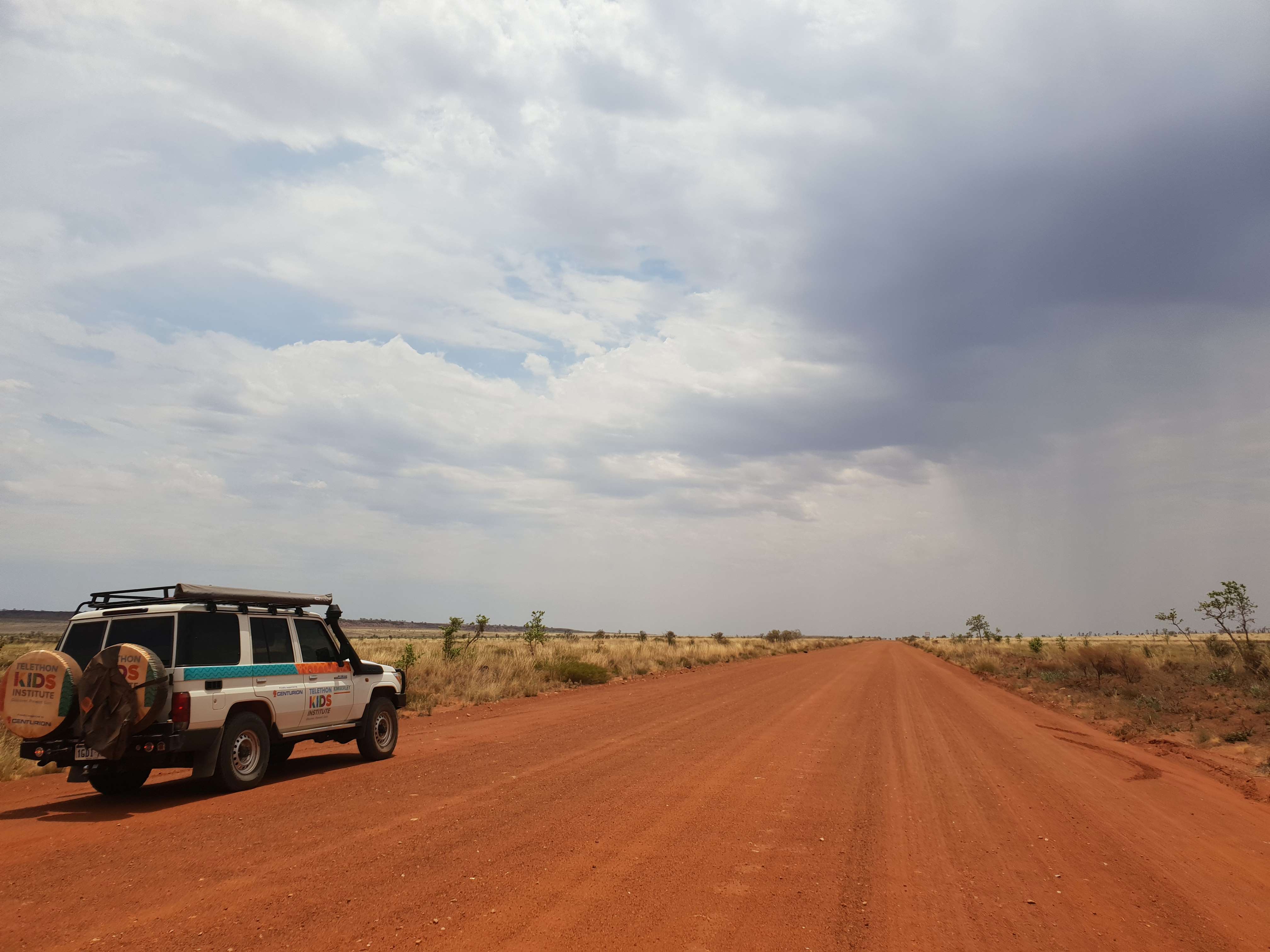
Led by The Kids Research Institute Australia and Aboriginal health organisations in close partnership with nine Aboriginal communities in Western Australia’s Kimberley region, the five-year SToP Trial set out to identify the best possible methods to See, Treat and Prevent painful skin sores and scabies.
Compromised neonatal intensive care unit neonates are at risk of acquiring late-onset infections (late-onset sepsis [LOS]). Neonates born with congenital anomalies could have an additional LOS risk.
Tonsillectomy and adenoidectomy are two of the most commonly performed ENT procedures in children, with over 500,000 cases performed annually in the United States. Whilst generally considered a safe and well-tolerated operation, it is not without its risks and complications including pain, nausea, anorexia and most importantly bleeding and post-tonsillectomy haemorrhage.
This research sought to provide an outline of identified household-level environmental health initiatives to reduce or interrupt Strep A transmission along each of these pathways.
Emerging data suggest that air pollution is a persistent source of neuroinflammation, reactive oxygen species, and neuropathology that contributes to central nervous system disorders. Previous research using animal models has shown that exposure to diesel exhaust causes considerable disruption of the blood-brain barrier, leading to marked neuroinflammation.
Genetic diagnosis plays a crucial role in rare diseases, particularly with the increasing availability of emerging and accessible treatments. The International Rare Diseases Research Consortium (IRDiRC) has set its primary goal as: "Ensuring that all patients who present with a suspected rare disease receive a diagnosis within one year if their disorder is documented in the medical literature".
A type 1 diabetes (T1D) transition clinic in Sydney, Australia, provides age specific care for young adults (aged 16-25 years) and for adults (aged 21 years and above), and has reported improved clinical outcomes post transition to adult care over a 21-year period. This study investigated the contribution of digital technology to long-term resilient capacity of the clinic.
Approximately 770 children are diagnosed with cancer in Australia every year. Research has explored their experiences and developed recommendations for improving support provided to families. These have included the provision of psychology services, improved communication between healthcare professionals and parents, and increased information for families.
Western societal norms have long been constrained by binary and exclusionary perspectives on matters such as infertility, contraception, sexual health, sexuality, and gender. These viewpoints have shaped research and knowledge frameworks for decades and led to an inaccurate and incomplete reproductive biology curriculum. To combat these deficiencies in reproductive systems-related education, our teaching team undertook a gradual transformation of unit content from 2018 to 2023, aiming to better reflect real diversity in human reproductive biology.
Continuous glucose monitoring (CGM) can detect early dysglycemia in older children and adults with presymptomatic type 1 diabetes and predict risk of progression to clinical onset. However, CGM data for very young children at greatest risk of disease progression are lacking.