
Search
The global invasive meningococcal disease (IMD) landscape changed considerably during the COVID-19 pandemic, as evidenced by decreased incidence rates due to COVID-19 mitigation measures, such as limited social contact, physical distancing, mask wearing, and hand washing. Vaccination rates were also lower during the pandemic relative to pre-pandemic levels.
A child's cancer diagnosis has a significant impact on the lives of grandparents. Grandparents experience the stress of worrying about both their adult children and their grandchildren. Our study aimed to explore the lived experience of grandparents of children diagnosed with cancer.
By mutual agreement with the Channel 7 Telethon Trust (Telethon), The Kids Research Institute Australia and Telethon Speech and Hearing will both rebrand in 2024.

A remarkable Institute leader will join a cohort of 25 STEM-qualified women to take part in the prestigious 2024 Women in Leadership Development (WILD) program.
The Perth Empathy Scale (PES) is a 20-item self-report questionnaire that assesses people's ability to recognize emotions in others (i.e., cognitive empathy) and vicariously experience other's emotions (i.e., affective empathy), across positive and negative emotions. Originally developed in English, the aim of our study was to introduce the first Polish version of the PES and test its psychometric performance.
A Cochrane 2016 review indicated cycled light might benefit neonatal health in hospital. We systematically reviewed chronobiological factors for neonatal health in hospital units, identifying 56 relevant studies on light-dark cycles, feeding, noise, massage therapy, rooming-in, incubators vs. cribs, neonatal units vs. homes, and time-of-day of birth. Empirical evidence for benefits from chronobiology is weaker than expected, including light.
Food allergy is a major public health challenge in Australia. Despite widespread uptake of infant feeding and allergy prevention guidelines the incidence of peanut allergy in infants has not fallen, and prevalence of peanut allergy in school-aged children continues to rise. Therefore, effective and accessible treatments for peanut allergy are required.
Patients who exhibit high systemic inflammation after cardiac surgery may benefit most from pre-emptive anti-inflammatory treatments. In this secondary analysis of the randomised, double-blind Intraoperative High-Dose Dexamethasone for Cardiac Surgery trial, we set out to develop an inflammation risk prediction model and assess whether patients at higher risk benefit from a single intraoperative dose of dexamethasone.

News you can use - Travelling with an ear infection
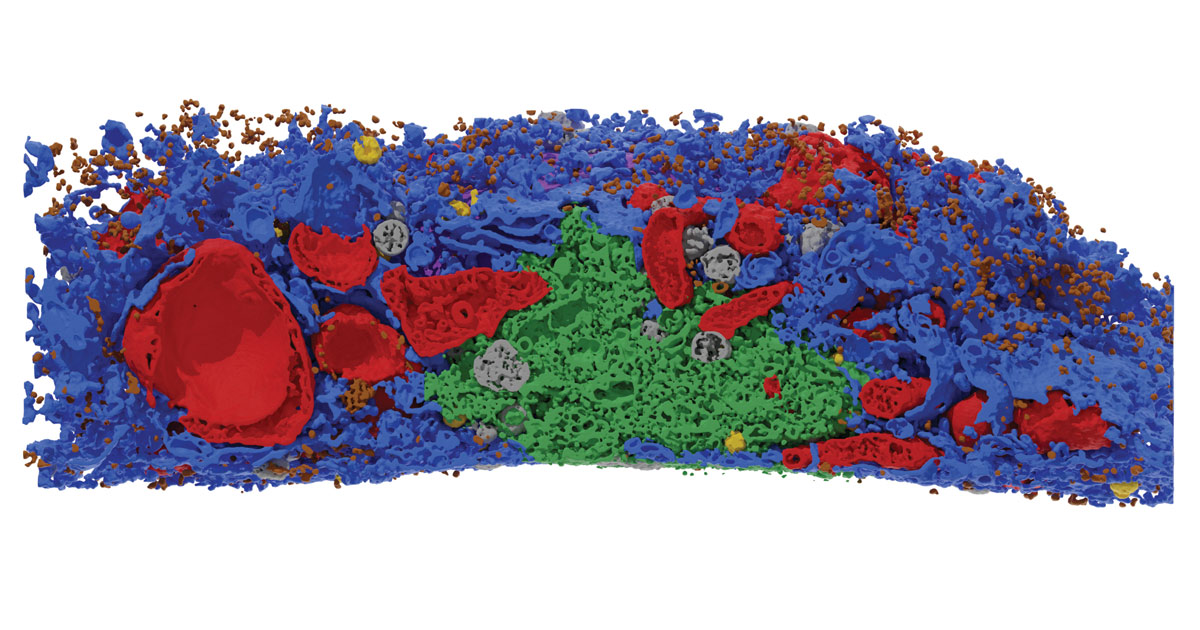
Researchers from The Kids Research Institute Australia and The University of Western Australia have developed a new technique to see inside cells with unprecedented detail, revealing a complicated web of interactions that provides new insights into how cells stay healthy.