
Search
The aim of this study was to examine physical activity and sedentary behaviours during Western Australia's COVID-19 lockdown and their association with mental well-being.
School bullying is a public health concern affecting the physical and mental health of children and young people. While school-based interventions to prevent bullying have been developed internationally, the effectiveness of many interventions has been mixed and modest.
Individuals with borderline personality disorder (BPD) are at a substantial risk of harm to themselves and others, experience high levels of functional impairment and typically are high users of tertiary healthcare to address their mental health concerns. As indicators for BPD typically emerge in adolescence, a day therapy service in Bentley, Western Australia, Touchstone Child and Adolescent Mental Health Service (CAMHS), was developed as an intensive intervention for adolescents with indicators for BPD and its associated symptomology.
Tertiary education is particularly demanding for students with attention-deficit hyperactivity disorder (ADHD), who often struggle with emotion regulation and are at greater risk of internalising disorders compared to their peers. Self-compassion is a skill associated with positive mental health and adaptive emotion regulation that might support students in managing the emotional challenges of studying with ADHD.
Siblings of persons with neurodevelopmental conditions (NDCs) have increased risk of poorer psychosocial functioning. This systematic review evaluated quantitative and qualitative evidence on sibling mental health and wellbeing outcomes following psychosocial interventions and the risk and protective factors associated with post-intervention outcomes.
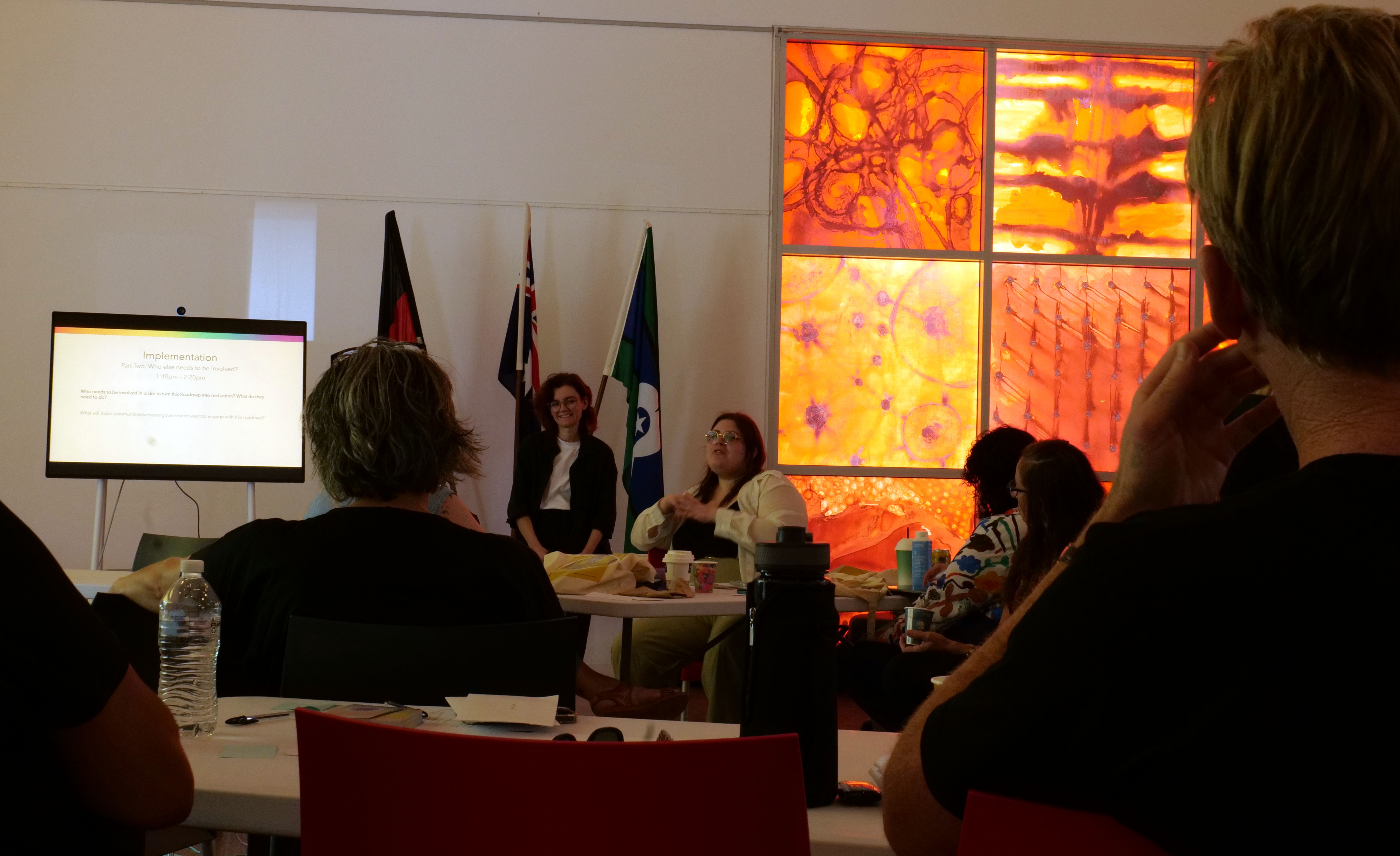
Walkern Katatdjin researcher and lead author Mx Shakara Liddelow-Hunt leads a conversation with the community on the key actions to include in the Roadmap.
The Healing Kids, Healing Families team strives to understand how trauma and adverse circumstances can impact a child and their family, and how we can help them to recover from these experiences.

Research Assistant
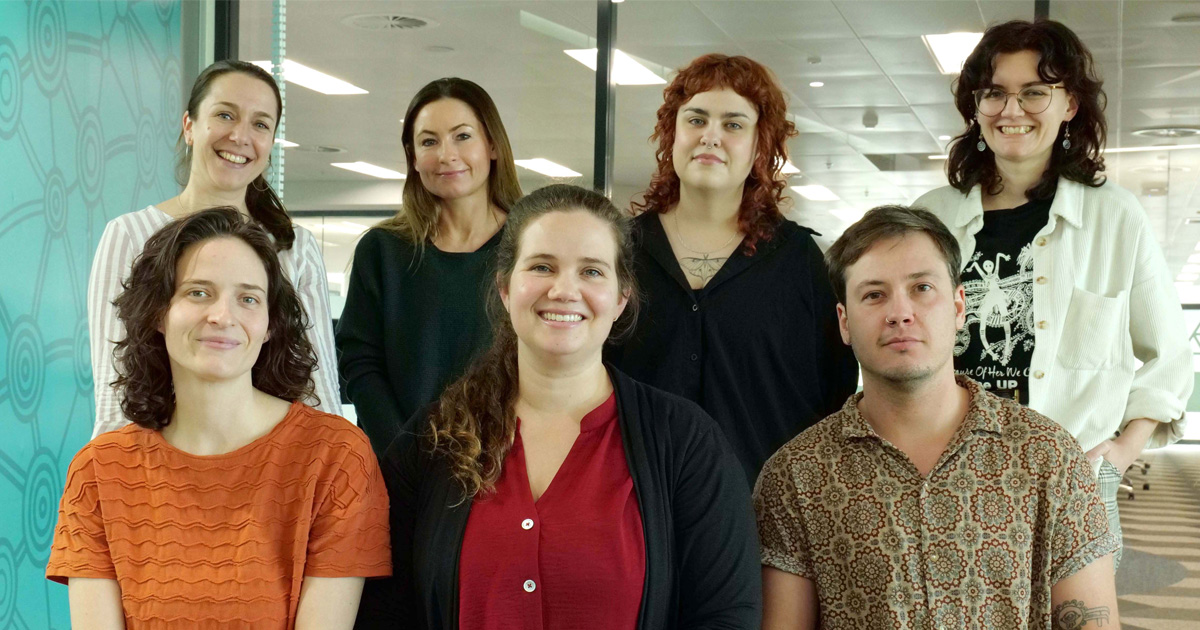
Trans Pathways is set to receive an update in the lead-up to the ten-year anniversary of the release of this seminal study by The Kids Research Institute Australia.

Six researchers from The Kids Research Institute Australia have been awarded $8.9 million in prestigious Investigator Grants from the National Health and Medical Research Council.