
Search
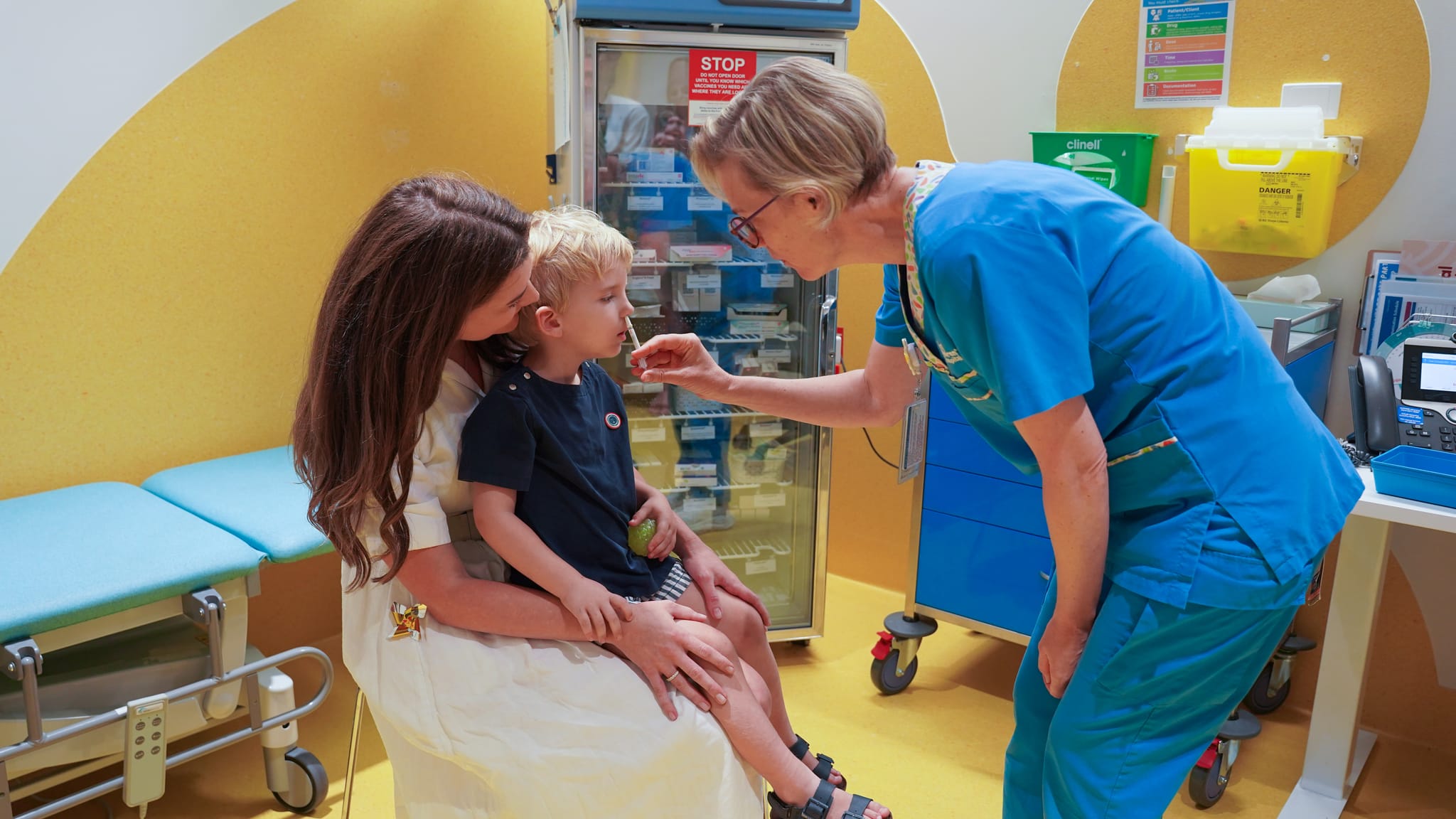
More young Western Australians will have access to needle-free protection against influenza this winter, with the WA Government expanding its nation-leading FluMist® program to include teenagers aged 12 to 17 years.
New collaborative research involving almost 600,000 pregnant mothers has demonstrated a dramatic increase in uptake of the whooping cough (pertussis) vaccine after identifying just 22 per cent of WA women had the maternal vaccination between 2012 – 2017.
Babies worldwide could have access to life-saving influenza vaccinations from just eight weeks of age thanks to researchers at The Kids Research Institute Australia and the generous support of the Telethon community.
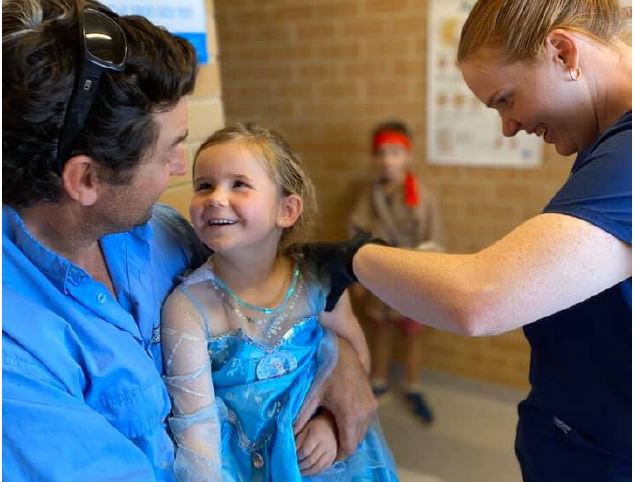
Infectious disease researchers who used a decade of scientific evidence to advocate for a nationwide childhood influenza immunisation policy have earned a finalist position at the country’s most prestigious science awards – the Australian Museum Eureka Prizes.
In Australia the 7-valent pneumococcal conjugate vaccine (PCV7) is administered at 2, 4 and 6 months of age, with no booster dose.
Increased numbers of children presenting with febrile adverse events following trivalent influenza vaccine (TIV) were noted in Australia in 2010.
Males are generally more susceptible to respiratory infections; however, there are few data on the physiological responses to such infections in males and...
Influenza is major cause of paediatric hospitalisation. Influenza vaccine was offered to all children aged 6-59 months resident in Western Australia in 2008
How Influenza outbreaks during mass gatherings have been rarely described, and detailed virologic assessment is lacking.
To assess the immunogenicity and safety of a 2009 influenza A(H1N1) vaccine in children.