
Search
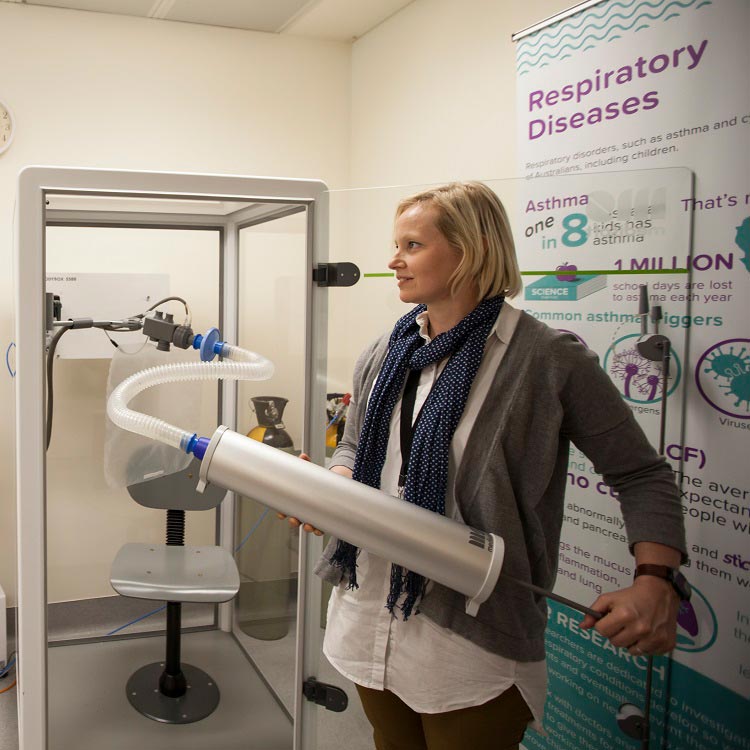
A The Kids Research Institute Australia study published in The Lancet Child & Adolescent Health has found that survivors of very preterm birth face declining lung function
Anthony Tim Kicic Barnett BSc (Hons) PhD PhD Head, Airway Epithelial Research; WA Cystic Fibrosis Research Collaborative Program Fellowship; Stan
An innovative response-adaptive approach to driving improvements in health outcomes, applied to cystic fibrosis.

Rothwell Family Fellow; Head, Airway Epithelial Research
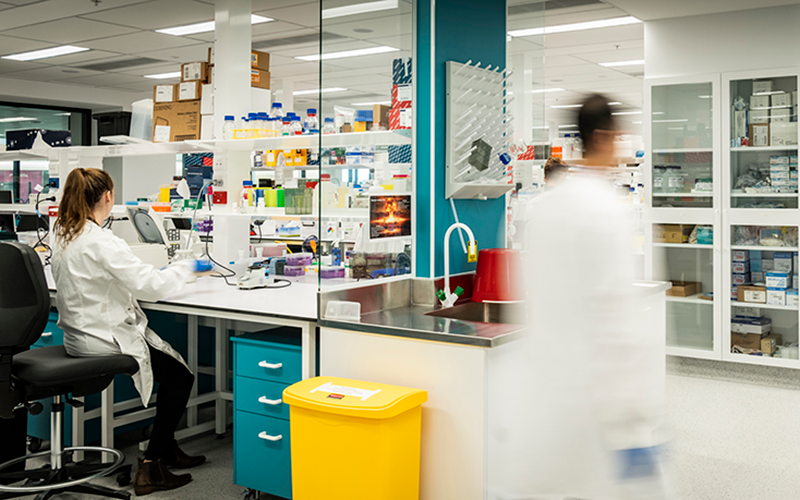
The Kids Research Institute Australia researchers will share in $2.3 million awarded by the Western Australian Department of Health Innovation Seed Fund.
There is controversy regarding whether cystic fibrosis (CF) airway epithelial cells (AECs) are intrinsically proinflammatory.
Deep inspiration and airway physiology: human, canine, porcine, or bovine?

The Airway Epithelial Research Team is investigating the role of the epithelium in the development of airway diseases including asthma, cystic fibrosis and lung transplant rejection.
The global prevalence of colistin-resistant Klebsiella pneumoniae (ColRkp) facilitated by chromosomal and plasmid-mediated Ara4N or PEtN-remodeled LPS alterations has steadily increased with increased colistin usage for treating carbapenem-resistant K. pneumoniae (CRkp).
A population of neutrophils recruited into cystic fibrosis (CF) airways is associated with proteolytic lung damage, exhibiting high expression of primary granule exocytosis marker CD63 and reduced phagocytic receptor CD16. Causative factors for this population are unknown, limiting intervention. Here we present a laboratory model to characterize responses of differentiated airway epithelium and neutrophils following respiratory infection.