
Search
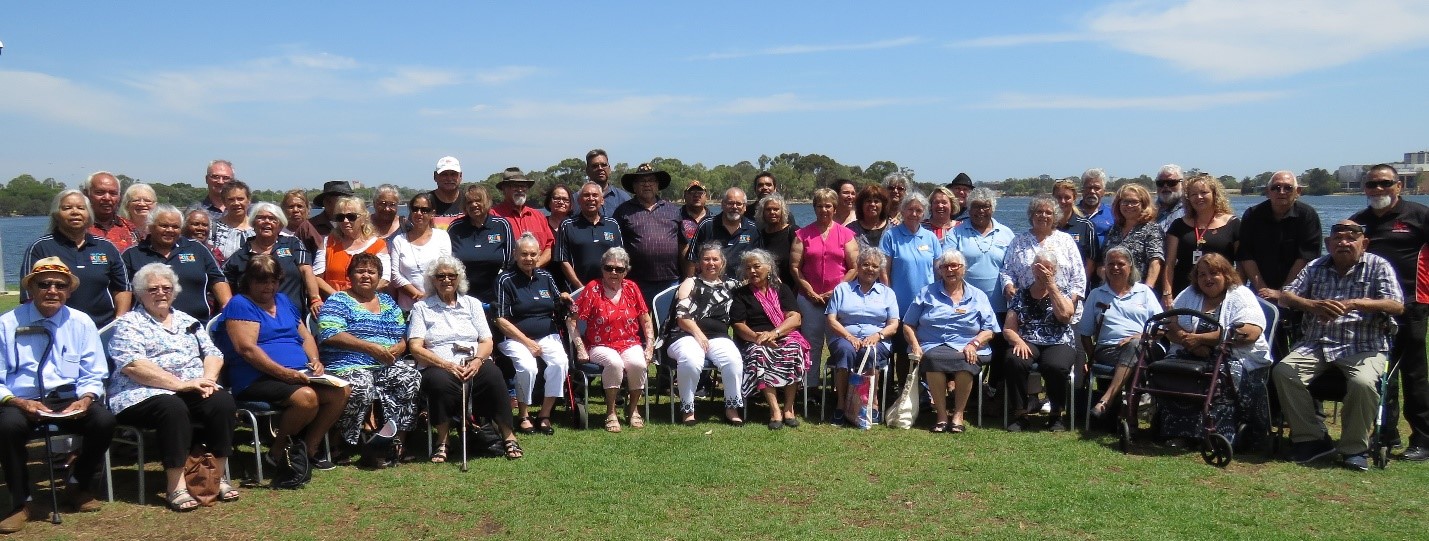
The third Big Elders meeting/gathering was held on the 26th of February 2019 at Burswood on Swan.
Alcohol related harms disproportionately affect Aboriginal people in Australia. Motives to drink have been identified as the most proximal factor to alcohol consumption.The aim of this study is to assess the validity of a culturally modified Drinking Motives Questionnaire-Revised (DMQ-R) (Cooper, 1994) with Aboriginal participants. The study was cross sectional, utilising data collected via face-to-face surveys with a sample of adult Aboriginal participants.
Despite bearing a higher burden of osteoarthritis, little research has examined disparities in the access, utilisation and surgical outcomes associated with total joint replacement (TJR) among Aboriginal and Torres Strait Islander people.
Globally, there is a recognised need that all populations should be able to access the benefits of genomics and precision medicine. However, achieving this remains constrained by a paucity of data that quantifies access to clinical genomics, particularly amongst Indigenous populations.
Mainstream youth mental health services struggle to comprehend the connection between colonisation and service provision for Aboriginal young people. This is the consensus agreed by Aboriginal Elders from Perth, Western Australia and young Aboriginal leaders within their communities.
The Ngulluk Koolunga Ngulluk Koort (Our Children Our Heart) project conducted extensive Elder and community consultation to develop principles and practice recommendations for child protection governance in Western Australia. We explore these principles and practice recommendations and highlight the need for culturally safe community consultation and governance with a focus on repairing damage incurred by the Aboriginal and Torres Strait Islander community from past child protection policies.
Increasing evidence suggests that breastfeeding may protect from childhood acute lymphoblastic leukemia and acute myeloid leukemia. However, most studies have limited their analyses to any breastfeeding, and only a few data have examined exclusive breastfeeding, or other exposures such as formula milk.
To establish the priorities of primary care providers to improve assessment and treatment of skin sores and sore throats among Aboriginal and Torres Strait Islander people at risk of acute rheumatic fever (ARF) and rheumatic heart disease (RHD).
There is scant literature about antepartum stillbirth management but guidelines usually recommend reserving caesarean sections for exceptional circumstances. However, little is known about caesarean section rates following antepartum stillbirth in Australia.
Carrington Shepherd PhD Honorary Research Associate Honorary Research Associate Areas of research expertise: Population health; Aboriginal and Torres