
Search
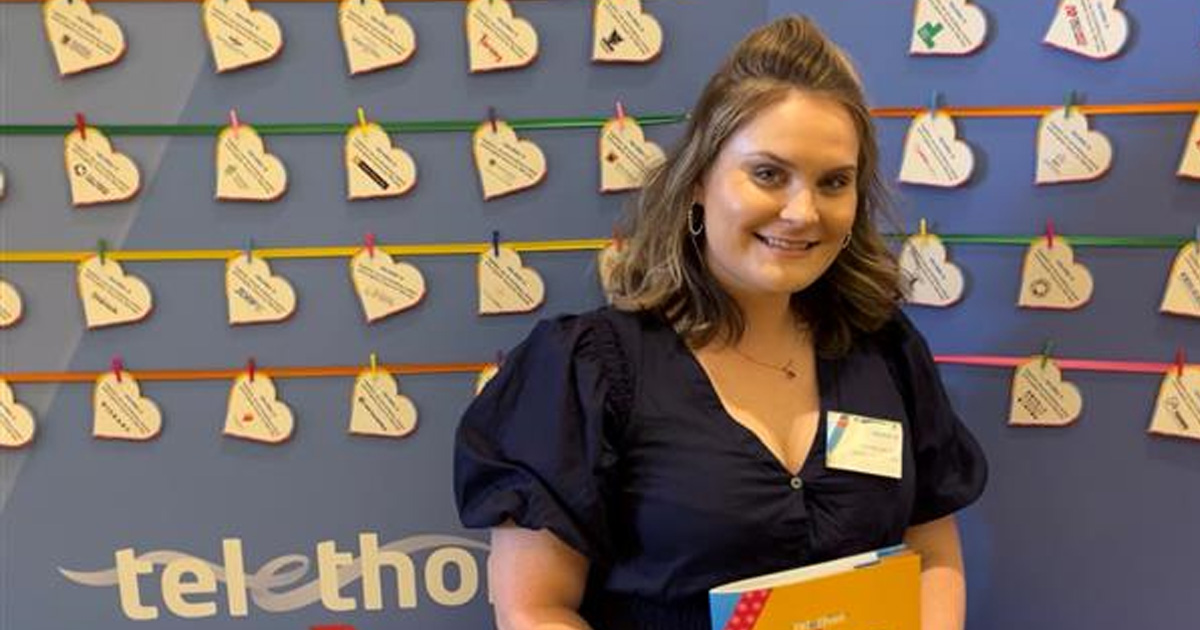
The generous support of West Australians through Channel 7’s Telethon Trust will help support vital child health research at The Kids Research Institute Australia in 2023.

A project, lead by Aboriginal and Aboriginal LGBTQA+ researchers examining the mental health of young Aboriginal and Torres Strait Islander LGBTQA+ people, is launching a nation-wide survey, to help drive meaningful change for the community.
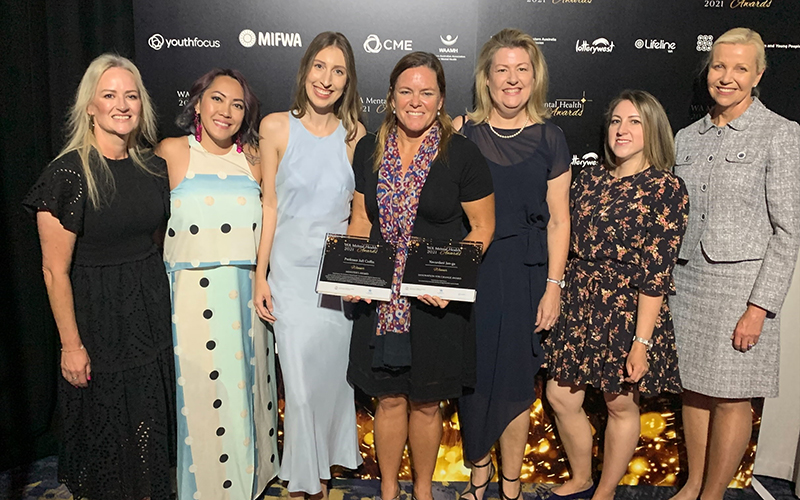
Outstanding Aboriginal mental health researcher Professor Juli Coffin has taken out top honours at the 2021 Western Australian Mental Health Awards in recognition of her ground-breaking work to enhance Aboriginal social and emotional wellbeing.
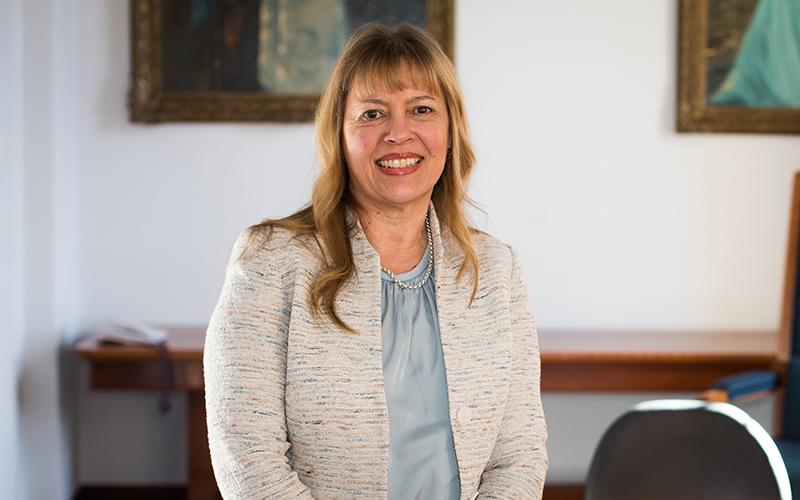
Congratulations to trailblazing mental health researcher Professor Helen Milroy, who has been announced as a finalist for the 2021 Human Rights Medal.
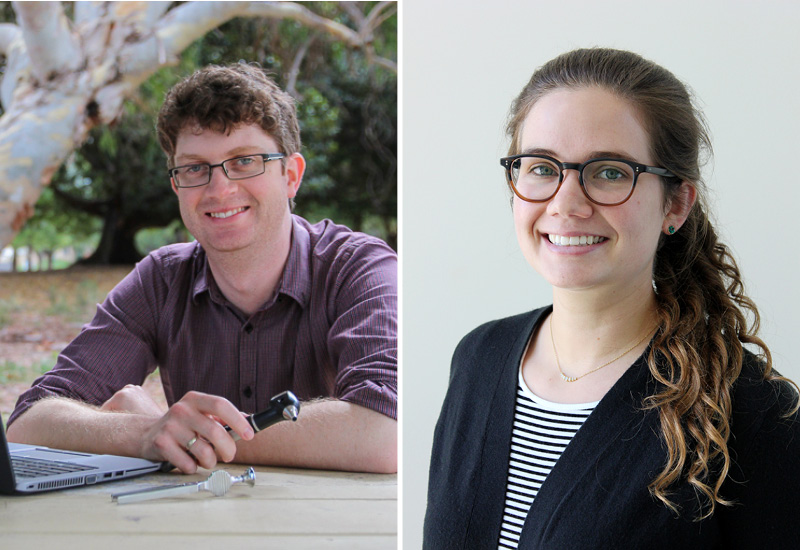
Two The Kids Research Institute Australia researchers have been named as finalists in the 2020 Western Australian Premier’s Science Awards.
Perinatal emotional well-being is more than the presence or absence of depressive and anxiety disorders; it encompasses a wide range of factors that contribute to emotional well-being.
The current study sought to explore holistic factors perceived to be key in managing emotional labour effectively in psychologists providing psychotherapy. Identifying applicable factors in this occupational group is vital to understand how psychologists manage emotional labour and related constructs.
Media guidelines for the responsible reporting of suicide are a recognized universal suicide prevention intervention. While implemented in numerous countries, including Australia, little is known about whether they are cost-effective.
The study examined the relationship between mental health, homelessness and housing instability among young people aged 15-18 years old who transitioned from out-of-home in 2013 to 2014 in the state of Victoria, Australia with follow-up to 2018.
The unprecedented global rise in mental anguish is closely linked with the erosion of our social fabric, economic and political systems, and to our natural environments. We are facing multiple new large-scale threats to health, safety, and security, with a growing lack of trust in others and in authorities.