
Search
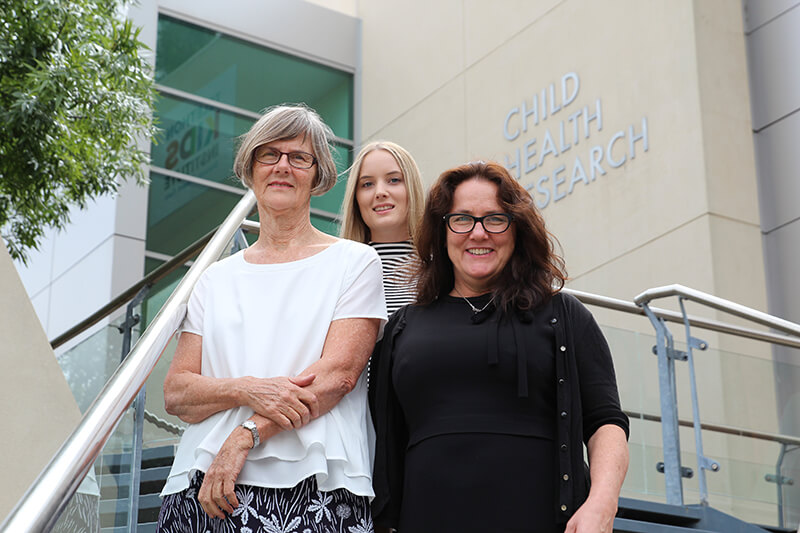
Nine out of ten incarcerated youth examined by The Kids researchers as part of a ground-breaking study had some form of neuro-disability.
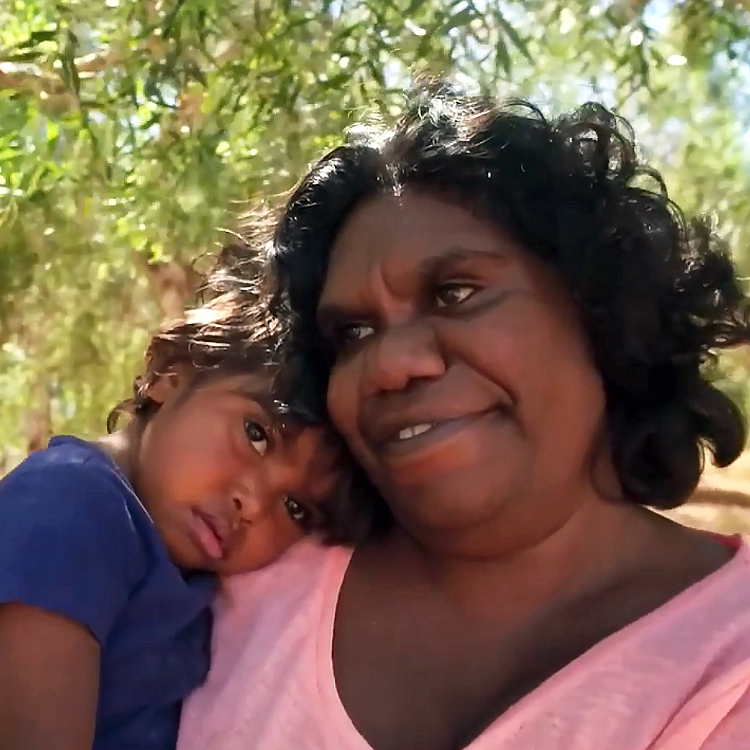
To mark International FASD Awareness Day, The Kids will launch a series of health promotion videos that feature local Aboriginal community members.
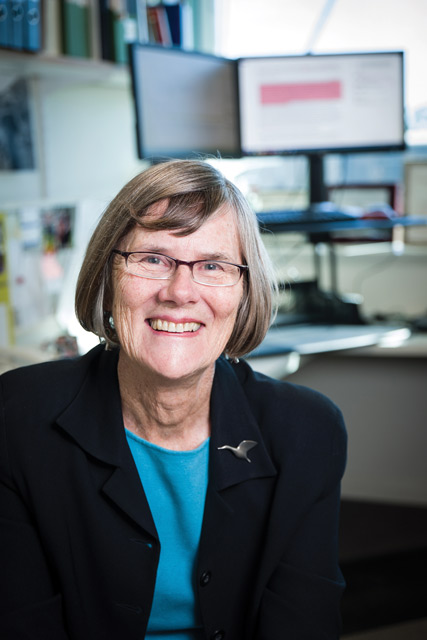
Expected to shine a light on hidden harm from alcohol use during pregnancy, Australia’s first national FASD diagnostic tool has been developed by the Institute.

About a third of young people in youth detention in Western Australia have Fetal Alcohol Spectrum Disorder (FASD), data has found.
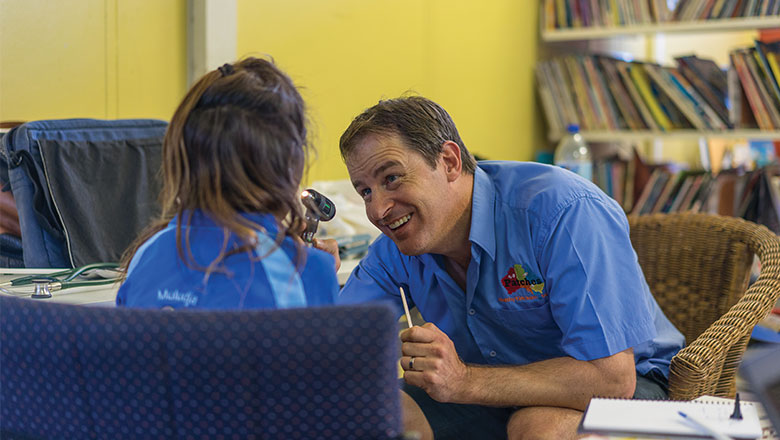
The Make FASD History campaign, led by community researchers and The Kids Research Institute Australia, has made huge inroads into prevention, diagnosis and therapy.
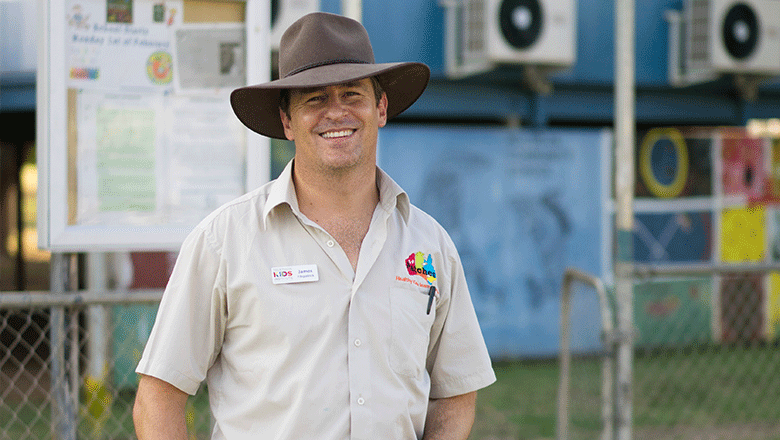
A The Kids Research Institute Australia researcher has been awarded $10,000 in State Government research support funding.
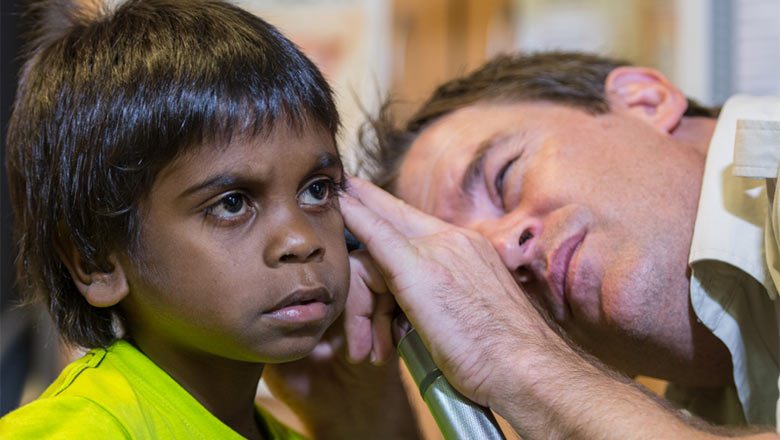
Australia's first national diagnostic tool for Fetal Alcohol Spectrum Disorder (FASD) has been developed by researchers at The Kids Research Institute Australia and the U

A new project aimed at reducing Fetal Alcohol Spectrum Disorder (FASD) in the Pilbara has been launched today in South Hedland.
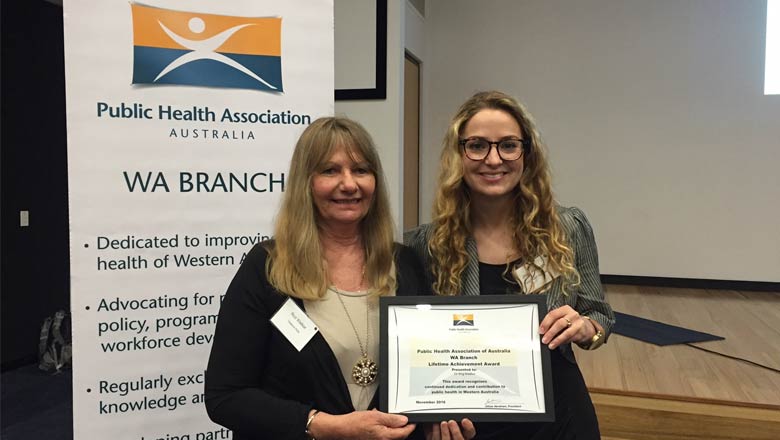
Two The Kids researchers working to improve the health & wellbeing of Aboriginal children & their families have both been honoured at the PHAA Awards.

Early intervention in child development problems caused by alcohol use in pregnancy has been made possible by The Kids Research Institute Australia’s work