
Search
Rheumatic heart disease (RHD) comprises heart-valve damage caused by acute rheumatic fever (ARF). The Australian Government Rheumatic Fever Strategy funds RHD Control Programs to support detection and management of ARF and RHD. We assessed epidemiological changes during the years of RHD Control Program operation.
Chronic disease remains the leading cause of morbidity and mortality among Aboriginal and Torres Strait Islander peoples in Australia. Regular structured, comprehensive health assessments are available to Aboriginal and Torres Strait Islander people as annual health checks funded through the Medicare Benefits Schedule.

End RHD CRE News & Events
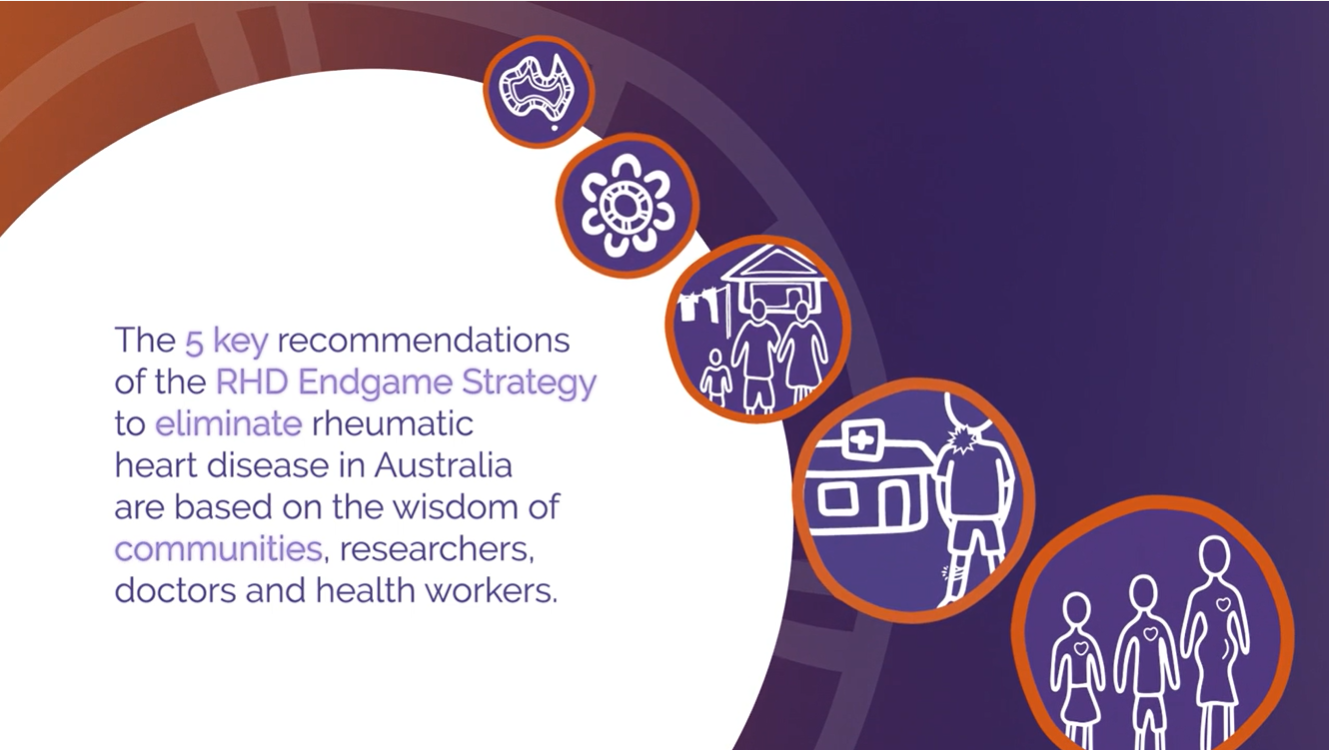
Across Australia, more than 5,000 Aboriginal and Torres Strait Islander people are currently living with rheumatic heart disease (RHD) or its precursor, acute rheumatic fever (ARF).
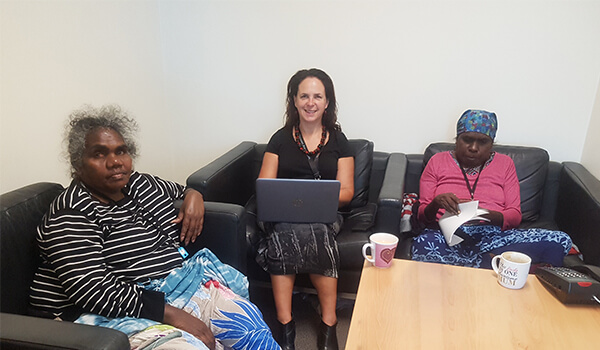
For Aboriginal Community Researchers Minitja Marawili and Yunutju Gondarra, the work of the END RHD CRE is deeply personal.
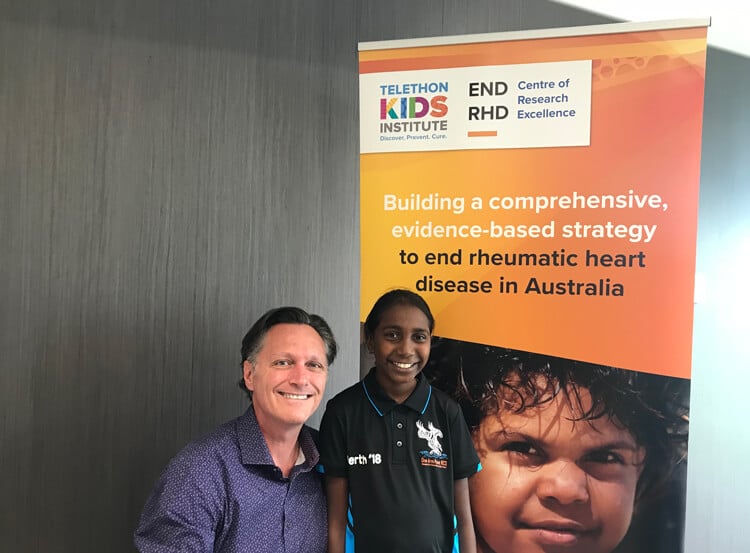
Laqueisha was just five years old when she was diagnosed with rheumatic heart disease and sent on a 5,000km return trip to Perth for major heart surgery.

Once you hear it, you won’t be able to get it out of your head – and that’s exactly the point of the new song ‘Boom Boom’.
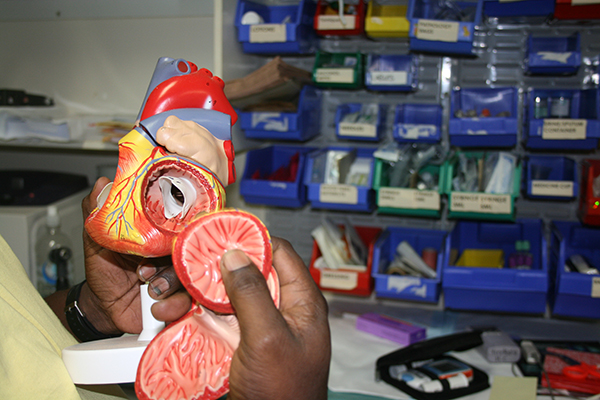
Health activities driven by remote Indigenous communities may be key to the sustainable and successful treatment and prevention of a potentially fatal disease, a study has found.
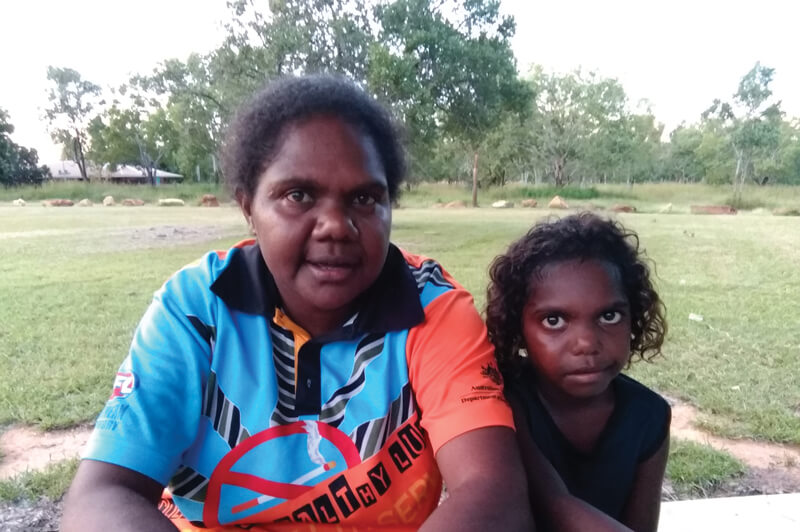
Collaboration is the driving force behind ‘END RHD Demonstration Communities’ – a new community-driven, research-backed approach to tackling rheumatic heart disease (RHD) in remote Australia.

The Kids Research Institute Australia and Menzies School of Health Research have joined forces with Danila Dilba Health Service to look at improving treatment for RHD.