Skip to content

Search

Superviruses to fight superbugs: Perth's first phage manufacturing facility is officially open

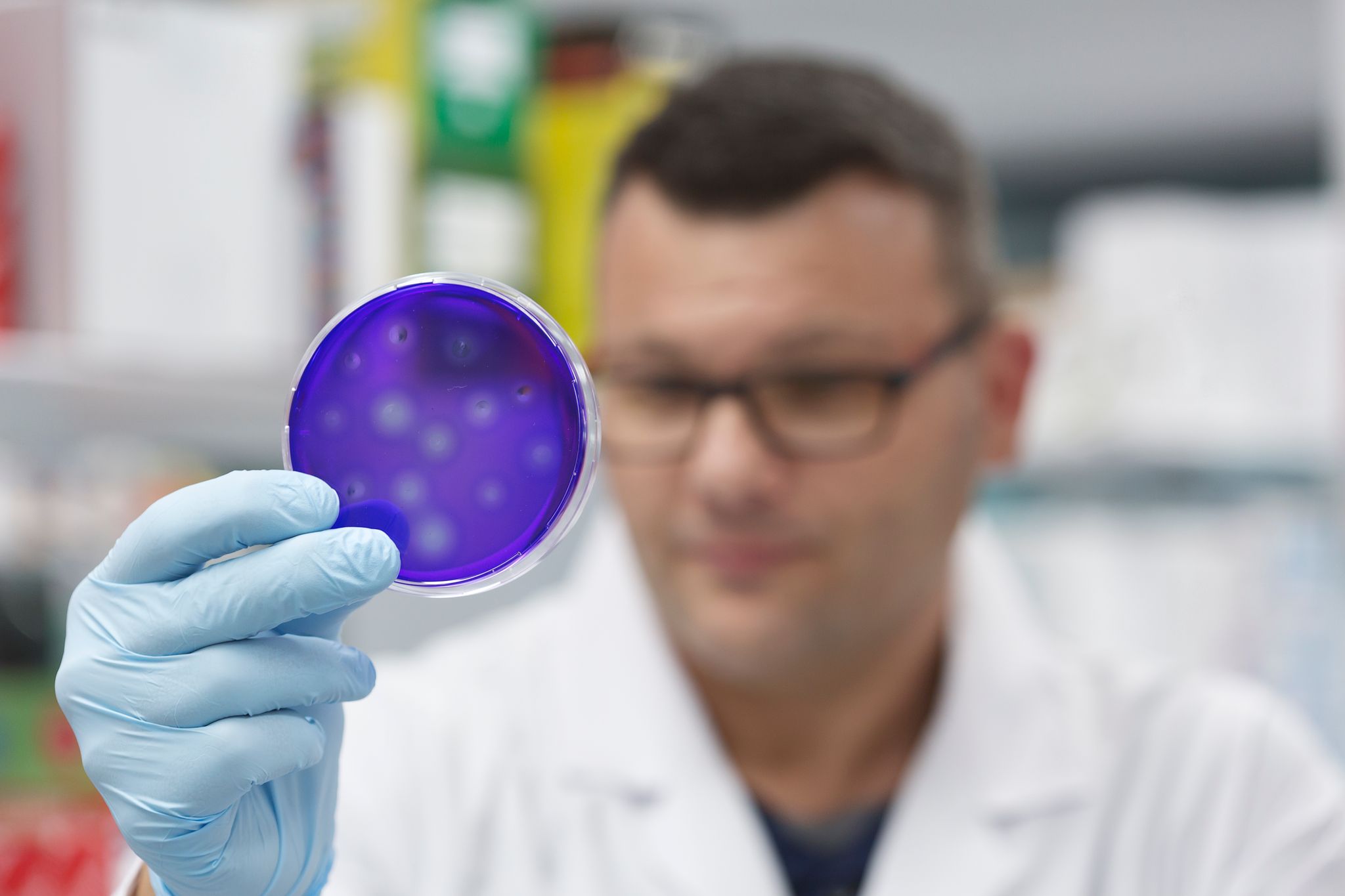
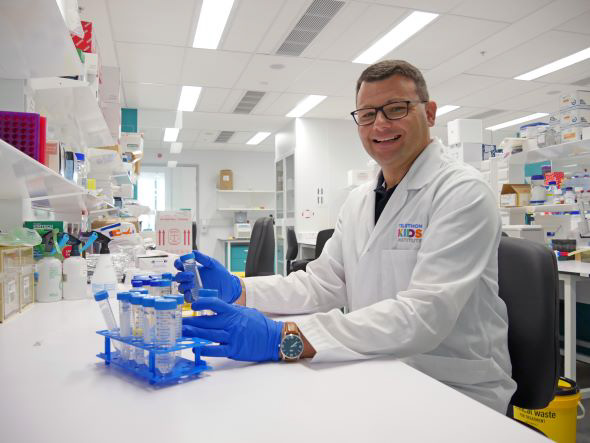
Patients battling antibiotic-resistant superbugs will soon have access to life-saving WA-made therapies that could help treat lung, skin and ear infections as well as bacterial infections like Golden Staph. Western Australia's inaugural phage manufacturing facility – spearheaded by a team at the

Community connections key to improving children’s lung health

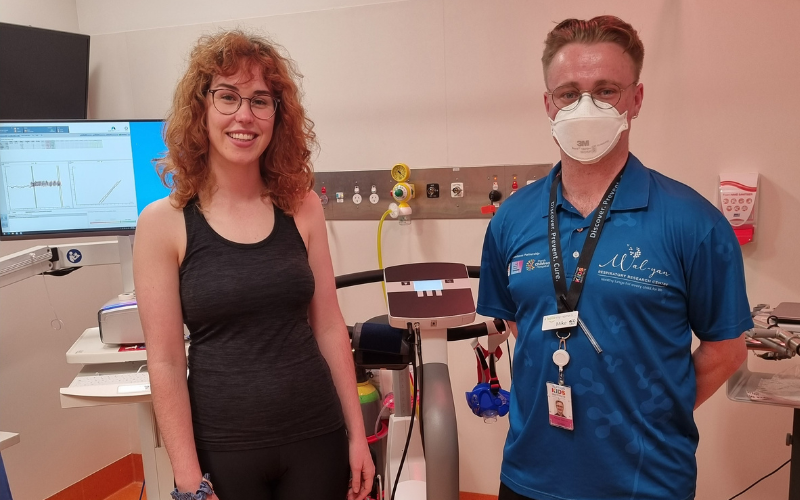
The key to improving the lung health of Aboriginal children lies in establishing strong community connections. 

Strengthening Aboriginal family involvement in the paediatric ESCALATION system: A multi-methods study of Aboriginal families' experiences in raising concerns

To explore Aboriginal families' experiences of recognising clinical deterioration and raising their concerns within the Paediatric ESCALATION system to identify enablers and barriers to family involvement.

Research Priorities for Inpatient General Paediatrics in Australia and New Zealand: A Modified Delphi Study

To develop consensus on the priorities for multi-centre, inpatient general paediatrics research in Australia and New Zealand.

Comparing education with and without indirect contact to reduce stigma towards youth at-risk for psychosis

Stigma towards individuals with mental health concerns is a global issue, including among young people at ultra-high risk (UHR) for psychosis. This study compared two written anti-stigma resources: (a) Education and (b) Lived Experience + Education, among young adults and parents/caregivers.

Fabric contamination and effective laundering for managing skin conditions: A systematic review

Household fabrics, such as clothes, bedding, and towels, are in close contact with the skin and are assumed to play a role in the transmission of skin pathogens/ectoparasites. International public health advice for managing skin conditions therefore usually includes recommendations to wash clothes and bedding. However, such advice is often general and inconsistent between sources.

Influenza epidemiology, treatment and prevention in Australian children: Trends from 6 years of PAEDS-FluCAN influenza surveillance (2019-2024)

Influenza remains an important cause of pediatric morbidity and mortality. Immunisation is critical to prevent hospitalisation and severe disease. The COVID-19 pandemic had far-reaching effects on influenza epidemiology and vaccine use.

Modelling vitamin D food fortification among Aboriginal and Torres Strait Islander peoples in Australia

Low vitamin D intake and prevalence of serum 25-hydroxyvitamin D concentration <50 nmol/L among Aboriginal and Torres Strait Islander peoples highlight a need for public health strategies to improve vitamin D status. Since few foods contain naturally occurring vitamin D, food fortification could be a suitable strategy. We aimed to model vitamin D food fortification scenarios among Aboriginal and Torres Strait Islander peoples.

Active counselling for child and adolescent mental health: A qualitative investigation

Talk-based psychotherapy and physical activity are both recognised as effective treatments for child and adolescent mental illness. Despite this, talk therapy and physical activity are rarely integrated-an approach hereafter termed "active counselling (AC)" -in clinical practice for youth mental health. The purpose of this study was to explore parents' perspectives of AC for their child who had been receiving this type of therapy from a provider in Australia. Parental perceptions were also used to identify possible psychological mechanisms underpinning the effects of AC.