
Search
A comparison of parents’ experiences of getting a diagnosis for their child with autism, attention deficit hyperactivity disorder (ADHD) and both diagnoses can inform our understanding of common and unique themes across these neurodevelopmental conditions.
This study aimed to explore the rates of motor difficulties in children from the Australian Autism Biobank, and how early motor concerns impacted on children functionally.
The past three decades have seen a major shift in our understanding of the strong links between autism and identity. These developments have called for careful consideration of the language used to describe autism.
With increasing demands for health, disability and education services, innovative approaches can help distribute limited resources according to need. Despite an increased focus on support needs within the clinical pathway and policy landscape, the body of research knowledge on this topic is at a relatively early stage. However, there appears to be a sense of unmet support needs and dissatisfaction with the provision of required support following an autism diagnosis amongst caregivers of young people on the spectrum.
A diagnosis of an autism spectrum condition (autism) provides limited information regarding an individual’s level of functioning, information key in determining support and funding needs.
CliniKids is the first clinical service of The Kids Research Institute Australia, providing autism therapies and supports for young children.
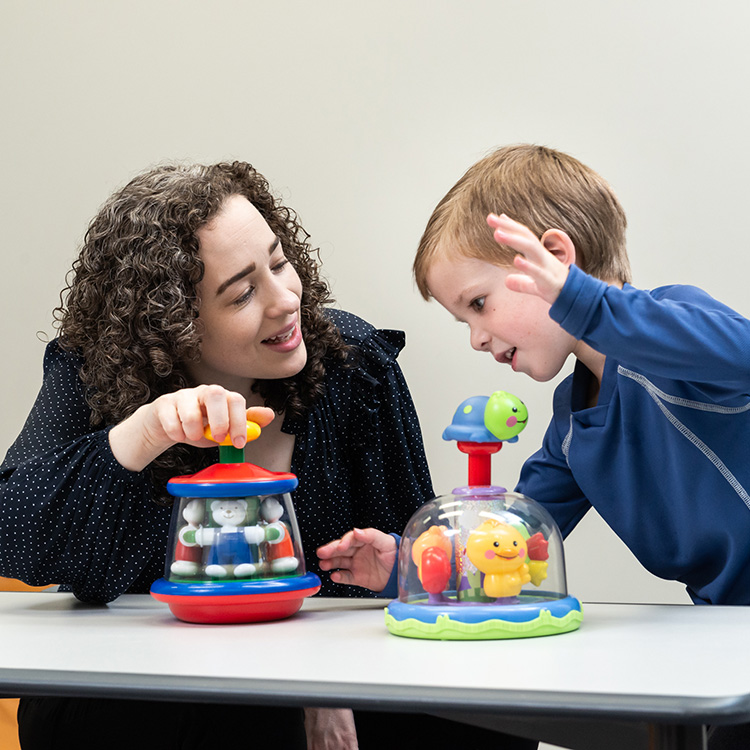
CliniKids is a not-for-profit centre integrating world-class research with a clinical service for children with developmental delay and/or autism, and their families. It is the first of its kind for autism in Australia.
Our team of world-class researchers and exceptional clinicians work in collaboration to provide children access to the very best evidence-based therapies and programs.

Speech Pathologist
Senior Speech Pathologist