
Search
Showing results for "rishi kotecha"
This study provides evidence to support annual inactivated influenza vaccine administration to children following allogeneic haematopoietic stem cell transplant
Cancers in children are very different to cancers in adults. However, most therapeutic strategies are designed explicitly for adult cancers, and then used in children if proven safe.

A world-first study involving more than 100 cancer researchers and clinicians across Australia – including from The Kids Research Institute Australia and Perth Children’s Hospital – has shown that precision medicine can significantly improve outcomes for children with high-risk cancer.
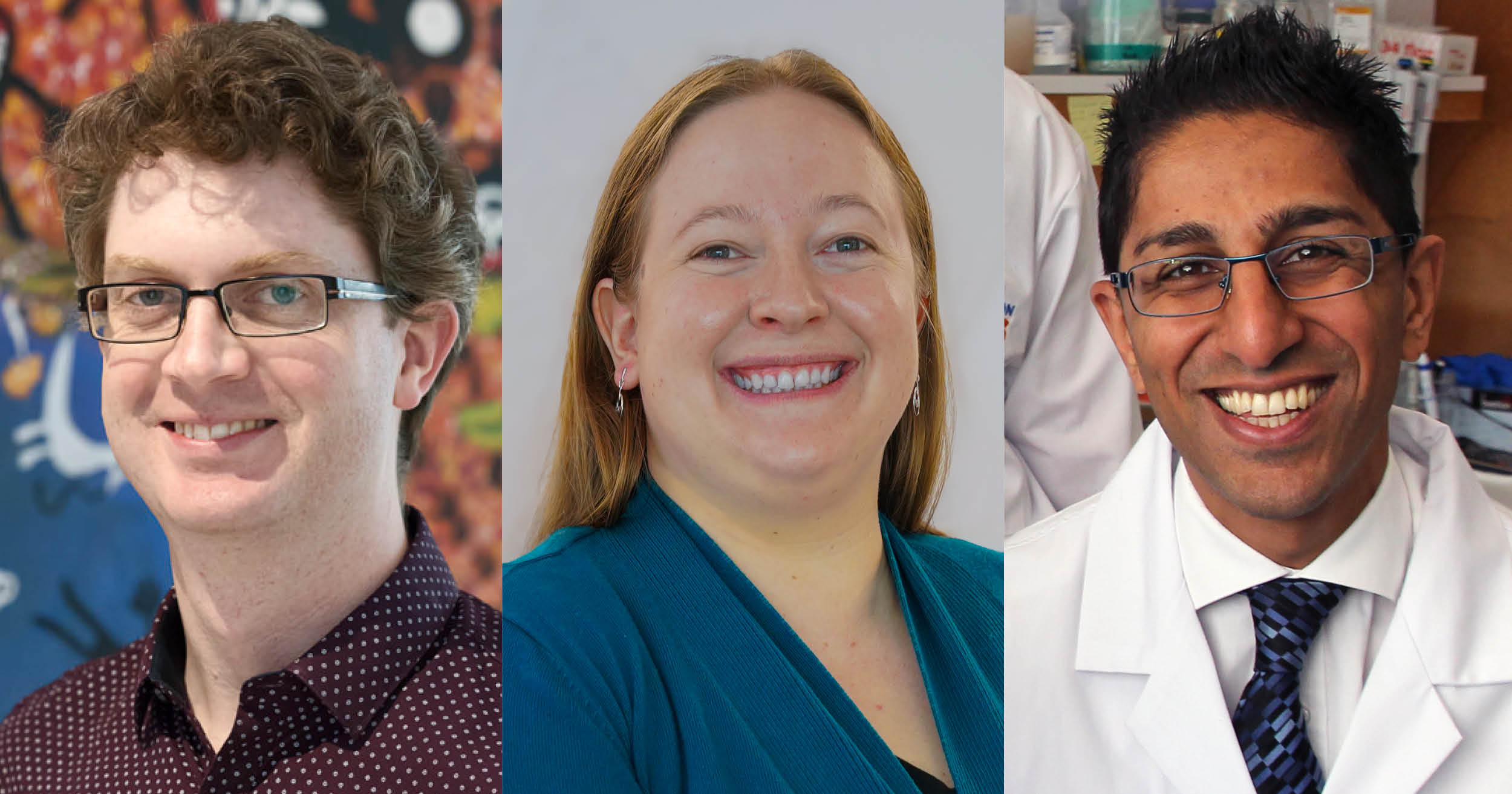
Congratulations to three outstanding The Kids Research Institute Australia researchers who have received second chance WA health funding designed to support researchers who have narrowly missed out on highly competitive national funding.
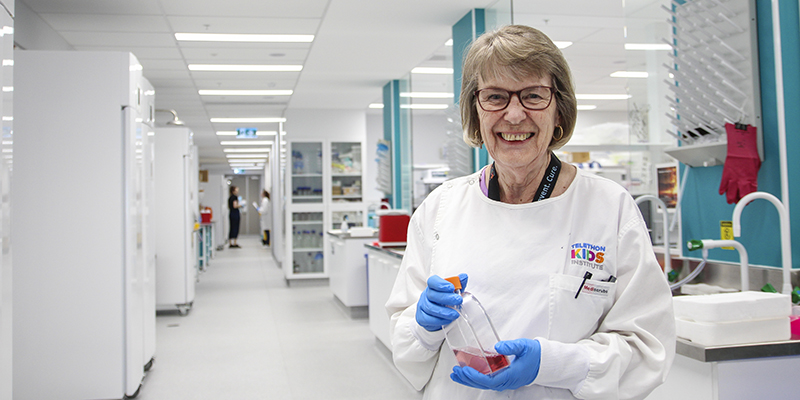
The Kids Research Institute Australia has farewelled one of its most treasured employees, with research officer Jette Ford closing the door on a quietly stellar 37-year career which has changed the face of cancer research in WA and around the world.
Assessing efficacy of infant T-cells to develop child-specific cancer immunotherapies.
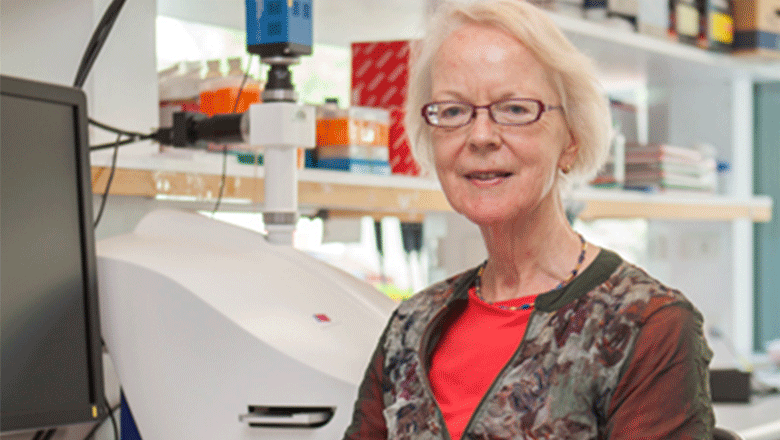
Researchers at The Kids Research Institute Australia have discovered a new drug combination that could help improve survival rates for babies with leukaemia.
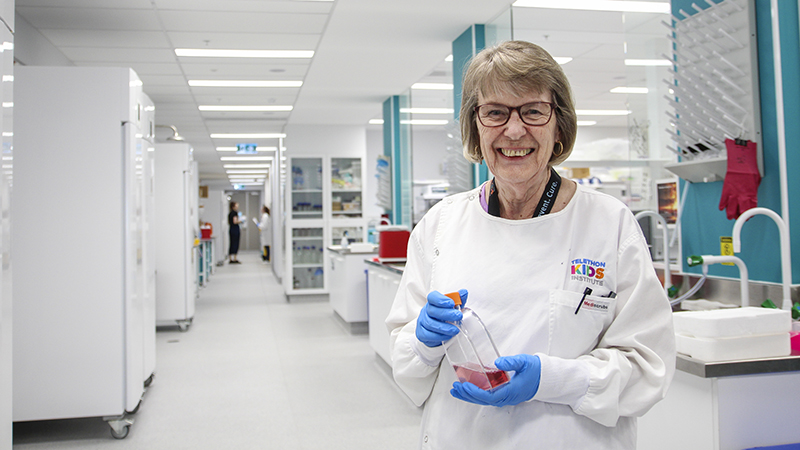
The Institute farewelled one of its most treasured employees this year, as The Kids Cancer Centre research officer Jette Ford closed the door on a quietly stellar 37-year career which has helped to change the face of cancer research in WA and around the world.

Seven important The Kids Research Institute Australia research projects have received support from the Future Health Research and Innovation Fund through the WA Near-Miss Awards (WANMA).
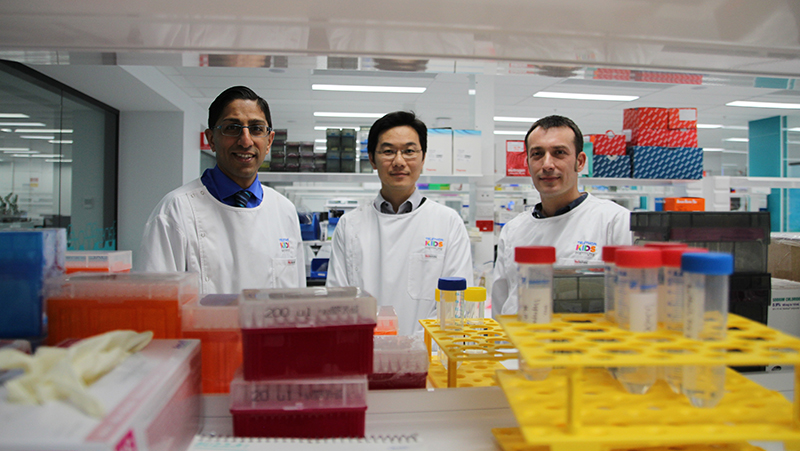
Kids born with Down syndrome are at high risk of an array of health problems – including issues with sight, hearing, heart defects, bone complications, immune disorders and learning difficulties.