
Search
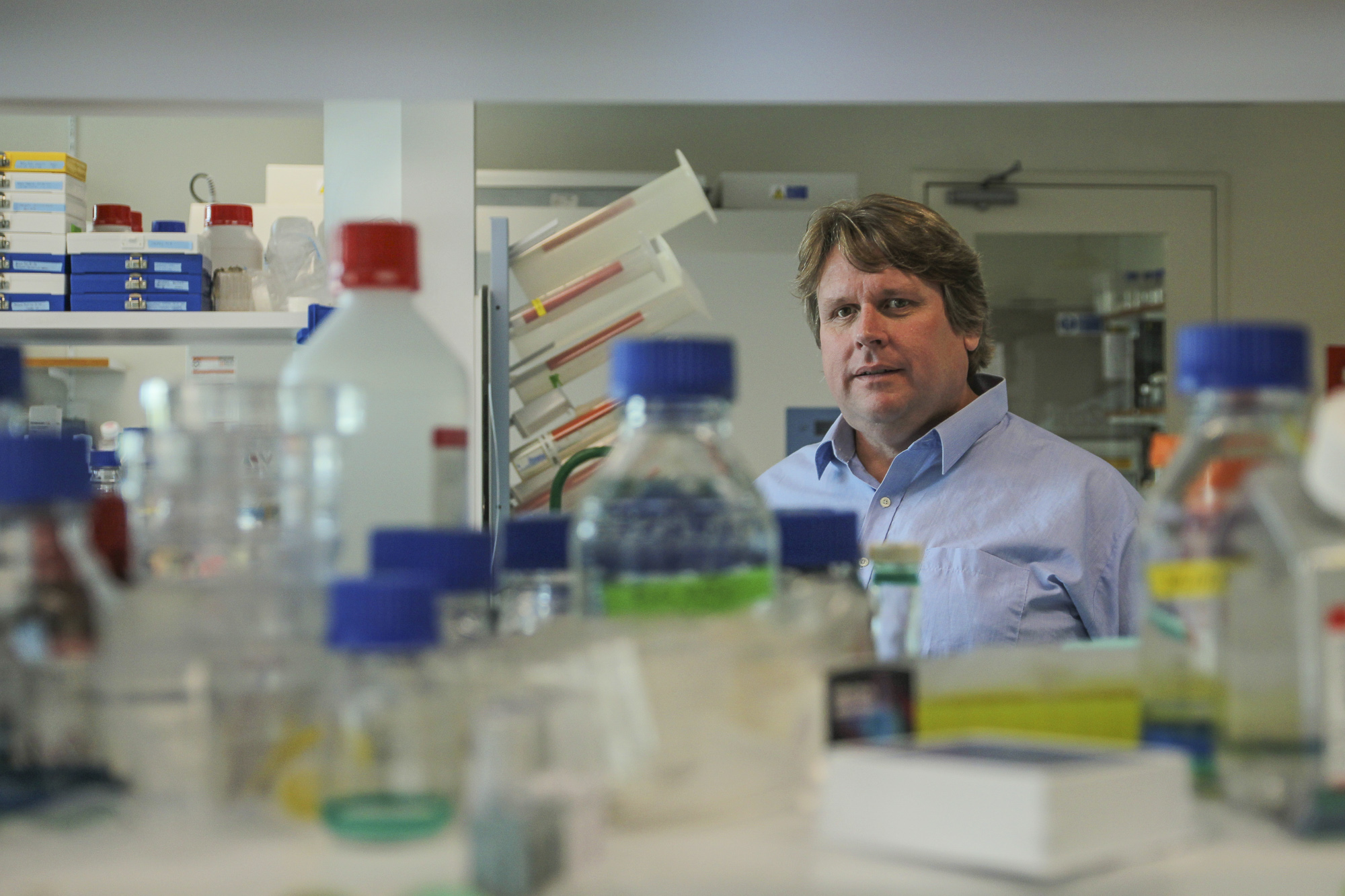
The Kids Research Institute Australia’s cancer researchers will use funds raised in the name of a brave three-year-old girl to launch a new assault on the devastating form of childhood cancer which took her life.
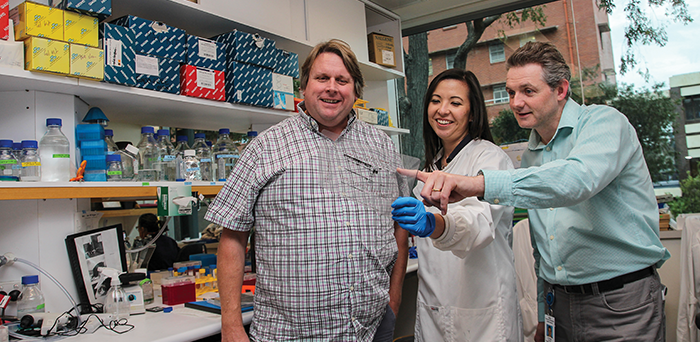
In the field of cancer research, lobbying efforts by the The Kids Cancer Centre have contributed to major initiatives including Australia’s first personalised medicine program for children with high-risk cancer, and a mission to boost survival rates in brain cancer patients.
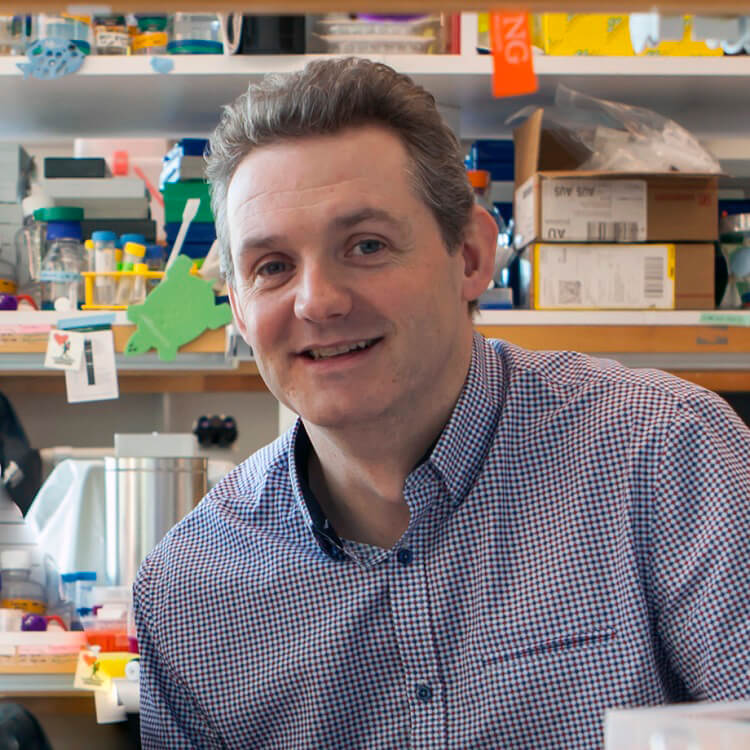
The Kids cancer researcher & clinician Dr Nick Gottardo has been announced as the recipient of an Innovation Grant from the Cure Brain Cancer Foundation.
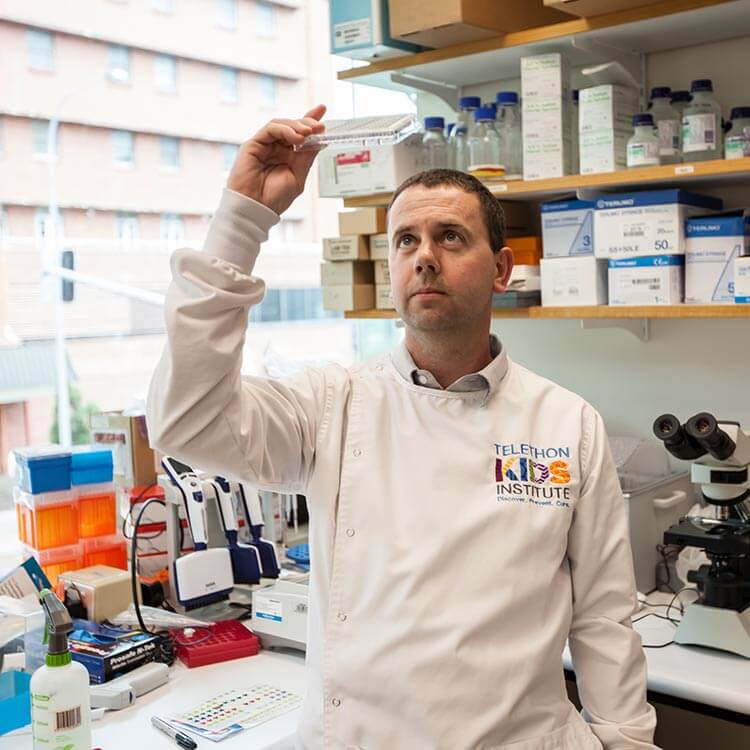
A The Kids Research Institute Australia researcher will investigate new ways to harness the body’s own immune system to fight melanoma, thanks to Cancer Council WA funding.
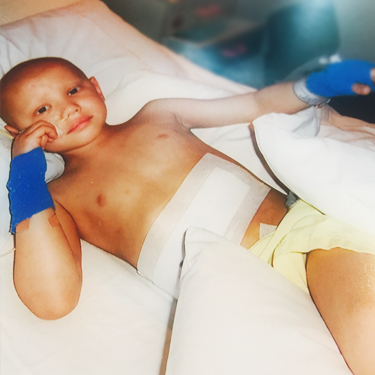
Rennae's son Samuel was diagnosed with stage 4 neuroblastoma 13 years ago, and was originally given a 20% chance of survival. She bravely shares their story.
Join us as WA’s cancer research community comes together at the inaugural West Coast Cancer Meeting.