Skip to content
The Kids Research Institute Australia logo
Donate

Search

Feasibility of home-based urine collection in children under 5 years in the ORIGINS birth cohort study: mixed method protocol and sample completion results

Urine is an attractive biospecimen for nutritional status and population health surveys. It is an excellent non-invasive alternative to blood for appropriate biomarkers in young children and is suitable for home-based collection, enabling representative collections across a population. However, the bulk of literature in this population is restricted to collection in primary care settings.

Multi-million-dollar investment in child health to support vital research

Four The Kids Research Institute Australia researchers have received prestigious fellowships and four significant cohort studies led or co-led by The Kids have received key grants under two new funding programs supported by the State Government’s Future Health Research and Innovation (FHRI) Fund.

ORIGINS: Nutritional Profile of Children Aged One Year in a Longitudinal Birth Cohort

Dietary intake during the first year of life is a key determinant of a child's growth and development. ORIGINS is a longitudinal birth cohort study investigating factors that contribute to a 'healthy start to life' and the prevention of non-communicable diseases.

BioMood

The BioMood project will study how following a Mediterranean diet during pregnancy affects the gut microbiome, metabolism, and inflammation, with the expectation that it will promote a healthier microbiome and better mental health.

Biobank funding supports valuable research resources

Four The Kids Research Institute Australia-based biobanks which underpin a range of cancer, respiratory and early life research have received more than $450,000 in funding.

Child health and obesity the focus of international built environment study

Research data from more than one million Australian and Welsh children will be examined to help better understand how the built environment affects child health and obesity, as part of an international research project to be co-led by The Kids Research Institute Australia.

World-first evidence links exclusive colostrum intake with reduced peanut allergy risk

First-of-its-kind findings show that newborns exclusively fed colostrum in their first 72 hours of life were five times less likely to develop a peanut allergy by 12-18 months, and 11 times less likely to develop multiple food allergies (such as egg or cow’s milk) compared with infants who also received formula

$1.5 million funding advances translational research outcomes in early childhood and family health

ORIGINS, the largest longitudinal cohort study of its kind in Australia, delivered in partnership between The Kids Research Institute Australia and Joondalup Health Campus, has received $1.5 million funding from the Minderoo Foundation.

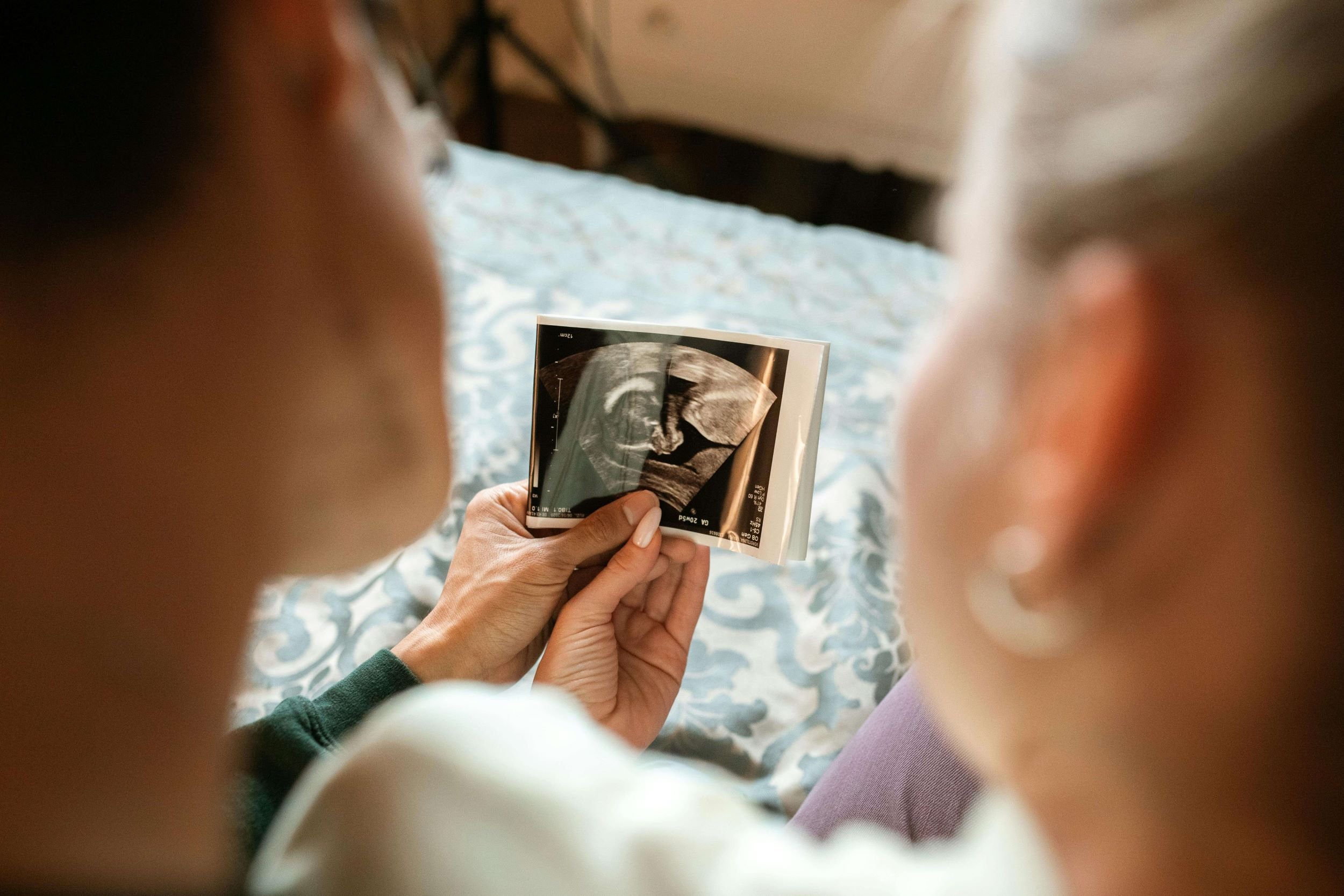
Machine Learning Approaches for Anatomical Measurement in Fetal Ultrasound Images

This study is investigating whether a machine learning based approach can be used to improve fetal brain anatomy measurement for learning development studies.

Influence of maternal and infant technology use and other family factors on infant development

Steve Desiree Zubrick Silva FASSA, FAAMHS, MSc AM PhD MBBS, FRACP, MPH, PhD Honorary Emeritus Research Fellow Co-Director, ORIGINS 08 6319 1409