
Search
Desiree Dr Jackie Susan Lisa Zenobia Silva Davis Prescott Gibson Talati MBBS, FRACP, MPH, PhD BSc (Hons), PGradDipHlthProm, PhD MBBS BMedSci PhD
The current narrative surrounding children’s health and wellbeing often focuses on adversity and dysregulation with a lack of positive messaging. However, promoting protective and buffering factors may be as important as reducing adverse exposures. While the concept of flourishing is commonly applied in the context of adults, defining what flourishing means for children in current academic literature remains unclear.
Psychological distress in the early postpartum period can have long-lasting deleterious effects on a mother's well-being and negatively affect her infant's development. Intervention approaches based in contemplative practices such as mindfulness and loving-kindness and compassion are intended to alleviate distress and cultivate well-being and can be delivered effectively as digital mental health interventions.
Early onset Non-Communicable Diseases (NCDs), including obesity, allergies, and mental ill-health in childhood, present a serious and increasing threat to lifelong health and longevity. The ORIGINS Project (ORIGINS) addresses the urgent need for multidisciplinary efforts to understand the detrimental multisystem impacts of modern environments using well-curated large-scale longitudinal biological sample collections.
Global food systems are a central issue for personal and planetary health in the Anthropocene. One aspect of major concern is the dramatic global spread of ultra-processed convenience foods in the last 75 years, which is linked with the rising human burden of disease and growing sustainability and environmental health challenges.
Childhood is a critical period of immune development. During this time, naïve CD4 T cells undergo programmed cell differentiation, mediated by epigenetic changes, in response to external stimuli leading to a baseline homeostatic state that may determine lifelong disease risk. However, the ontogeny of epigenetic signatures associated with CD4 T cell activation during key developmental periods are yet to be described.
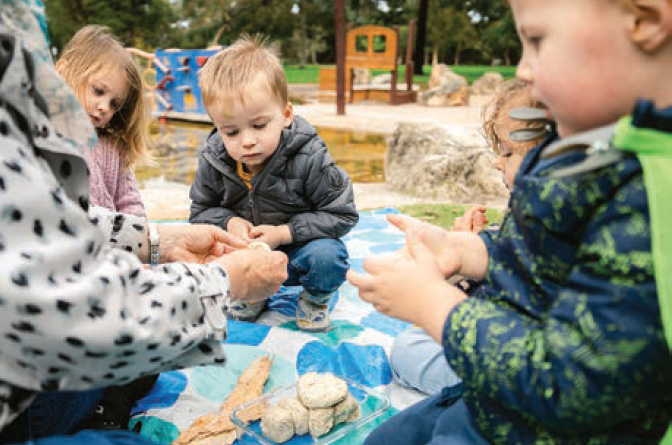
The ORIGINS Project is a decade-long longitudinal study of more than 18,000 individuals including mothers, partners and children, as part of a collaboration between The Kids Research Institute Australia and Joondalup Health Campus.

New dads can feel undervalued and face significant health and mental health risks following the birth of a child, according to new research that has prompted a rethink about how to address the often-unmet needs of fathers.
Complementary feeding induces dramatic ecological shifts in the infant gut microbiota toward more diverse compositions and functional metabolic capacities, with potential implications for immune and metabolic health. The aim of this study was to examine whether the age at which solid foods are introduced differentially affects the microbiota in predominantly breastfed infants compared with predominantly formula-fed infants.
Evidence suggests consumption of a Mediterranean diet (MD) can positively impact both maternal and offspring health, potentially mediated by a beneficial effect on inflammatory pathways. We aimed to apply metabolic profiling of serum and urine samples to assess differences between women who were stratified into high and low alignment to a MD throughout pregnancy and investigate the relationship of the diet to inflammatory markers.