
Search

The Wal-yan Respiratory Research Centre is proud to have a team of researchers taking part in, and contributing to, the outstanding scientific programme of the European Respiratory Society International Congress, taking place in Milan.
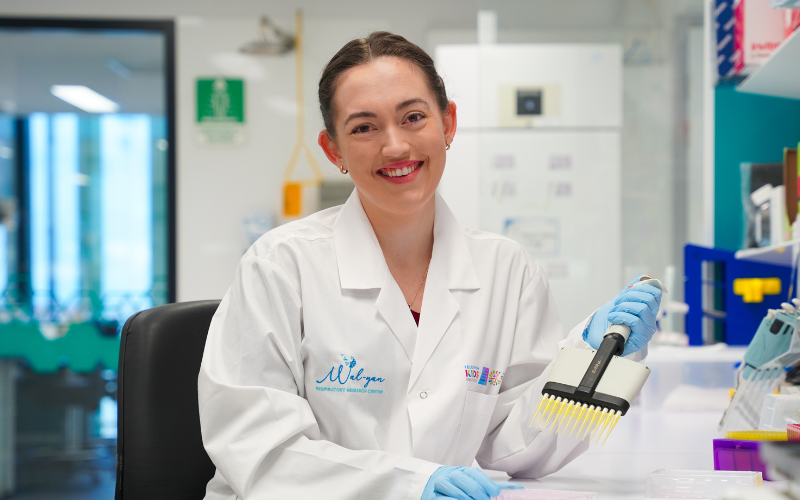
Wal-yan Respiratory Research Centre researcher Ms Denby Evans has been awarded one of four inaugural fellowships supported by the State's Future Health Research and Innovation (FHRI) Fund and Brightspark Foundation, enabling her to further her research into ways to improve the lung health of people

Ferries As with previous years, attendees will be required to make their own way to the island. Rottnest Express offers discounted weekday travel
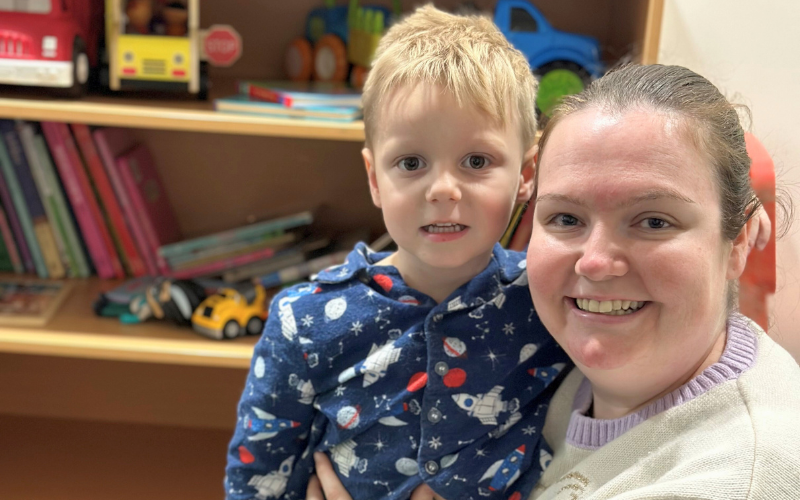
In September 2024, the Western Australian Epithelial Research Program (WAERP) reached a significant milestone by recruiting its 400th participant.
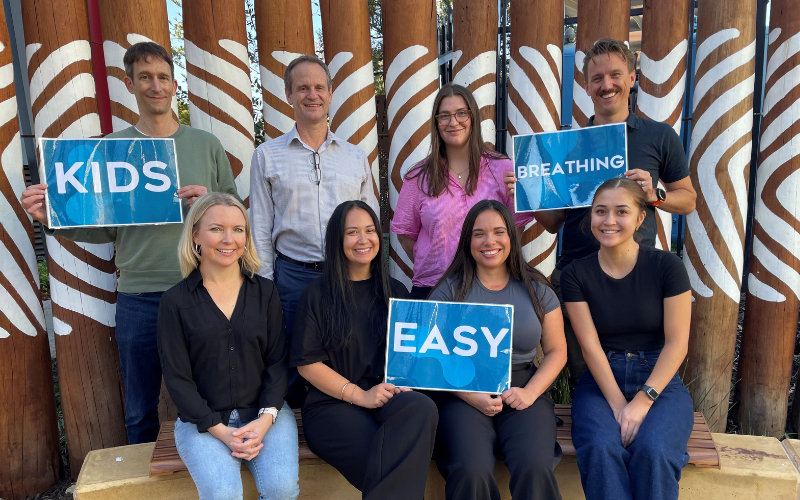
The Kids Easy Breathing Study kickstarts this month, with the aim of finding out how the airway surface is different between infants who develop chronic lung disease after contracting bronchiolitis compared with those who don’t.

More than 15 researchers from the Wal-yan Respiratory Research Centre will head to the Gold Coast this weekend to take part in at The Thoracic Society of Australia and New Zealand and The Australia and New Zealand Society of Respiratory Science (TSANZSRS) Annual Scientific Meeting (ASM).
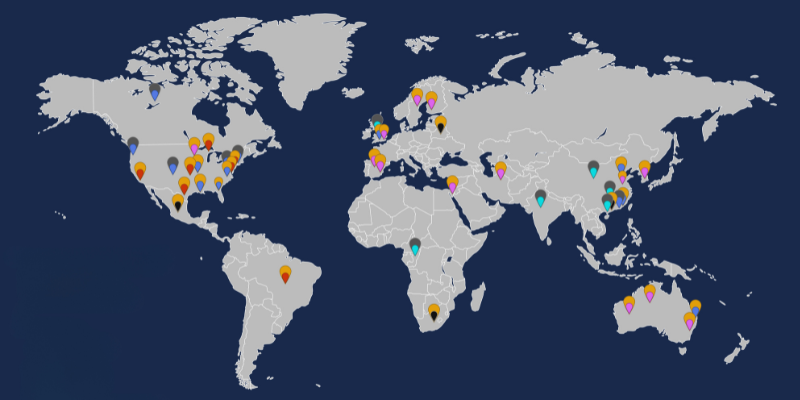
Increased numbers of preterm births, higher incidence of respiratory disease and death, and more children in hospitals are some of the stark health outcomes the world is facing from the impacts of extreme climate change.
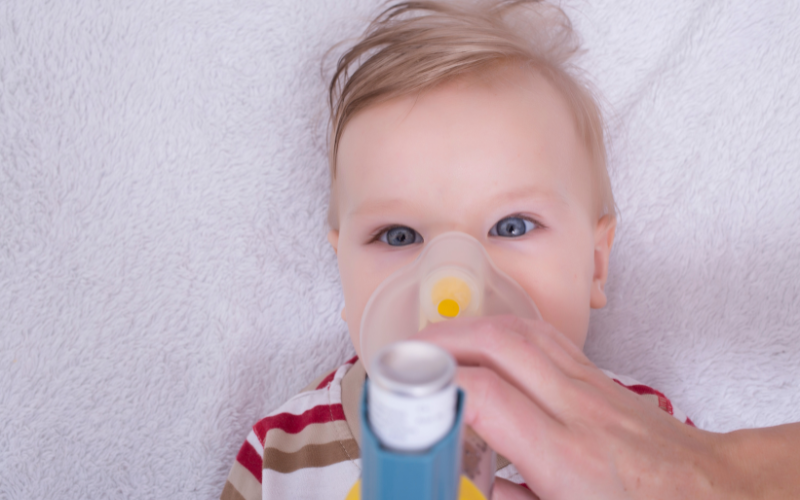
The study found the rare immune cells, known as plasmacytoid dendritic cells, showed clear signs of activation and virus defence in children with transient wheeze, whereas in children with persistent wheeze the same immune cells showed very limited activation without any signs of virus defence.

Jack Canning, a PhD researcher in the Wal-yan Respiratory Centre’s Phage WA team, has made a significant finding in the search for alternative treatments to antimicrobial-resistant (AMR) bacteria.
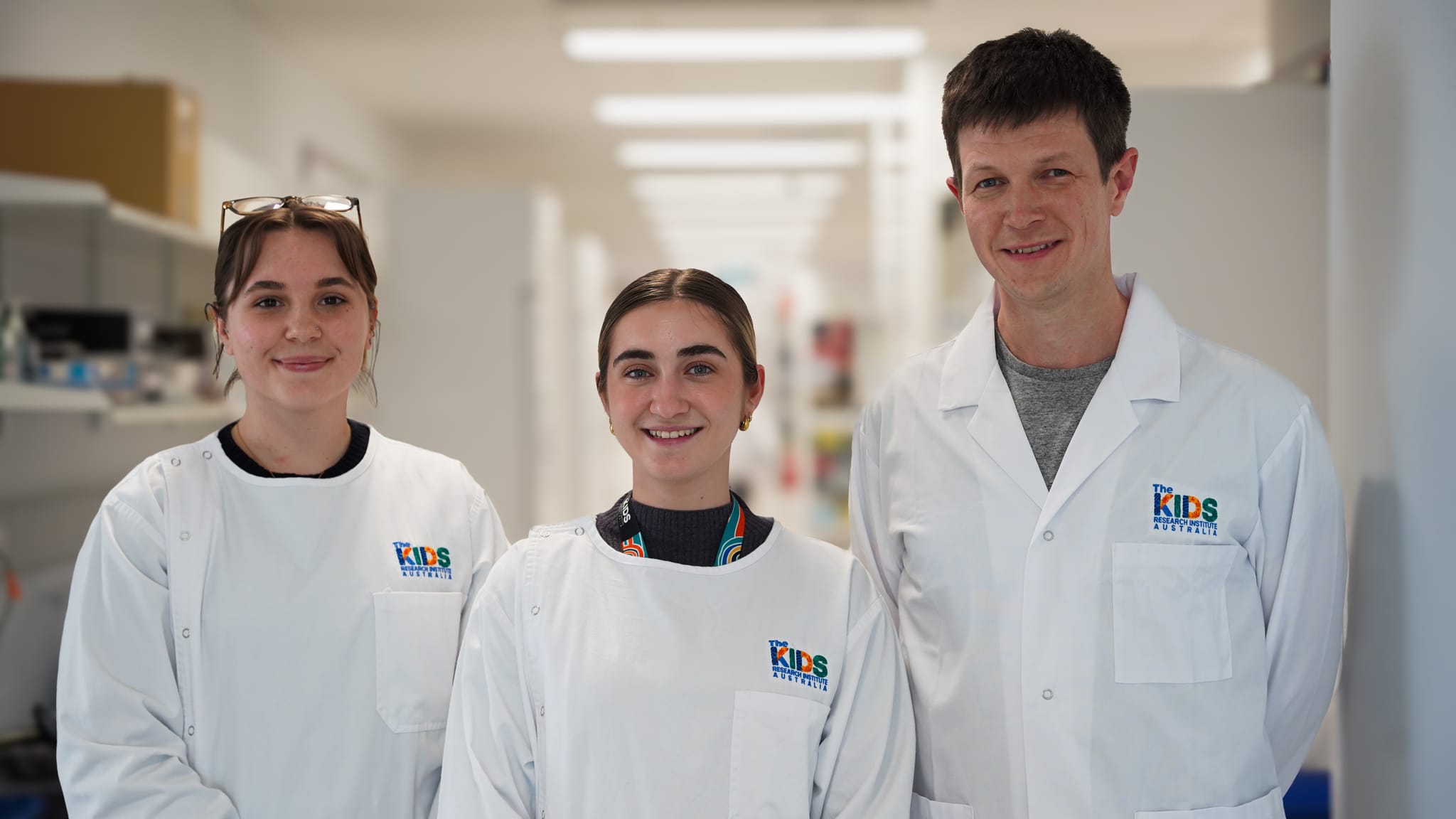
New research digs deeper into how children's immune systems handle viral challenges