Skip to content

Search

Infant and Pre-birth Involvement With Child Protection Across Australia

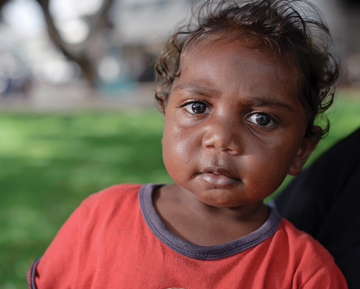
Infants (<1 year old) are the age group in Australia with the highest rate of involvement with child protection. Many jurisdictions across Australia and internationally are implementing policies focused on prenatal planning and targeted support.This study investigates Australian trends in prenatal and infant child protection notifications, substantiations and out-of-home care; and the extent of over-representation of Aboriginal and Torres Strait Islander infants.

“Ngany Kamam, I Speak Truly”: First-Person Accounts of Aboriginal Youth Voices in Mental Health Service Reform

Aboriginal young people are experts in their own experience and are best placed to identify the solutions to their mental health and wellbeing needs. Given that Aboriginal young people experience high rates of mental health concerns and are less likely than non-Indigenous young people to access mental health services, co-design and evaluation of appropriate mental health care is a priority.

Non-communicable disease mortality in young people with a history of contact with the youth justice system in Queensland, Australia: a retrospective, population-based cohort study

Young people who have had contact with the criminal justice system are at increased risk of early death, especially from injuries. However, deaths due to non-communicable diseases (NCDs) in this population remain poorly described. We aimed to estimate mortality due to NCDs in people with a history of involvement with the youth justice system, compare NCD mortality rates in this population with those in the general population, and characterise demographic and justice-related factors associated with deaths caused by NCDs in people with a history of contact with the youth justice system.

The perinatal and childhood outcomes of children born to Indigenous women with mental health problems: A scoping review

Maternal mental health problems are common during the perinatal period and have been associated with several negative outcomes in children. However, few studies have examined the associations between maternal mental health problems and offspring outcomes among Indigenous people, and the findings across these studies have been inconsistent. This scoping review examined the birth and childhood (≤12 years) health and development outcomes of the children of Indigenous women with mental health problems.

Evaluation of the implementation and clinical effects of an intervention to improve medical follow-up and health outcomes for Aboriginal children hospitalised with chest infections

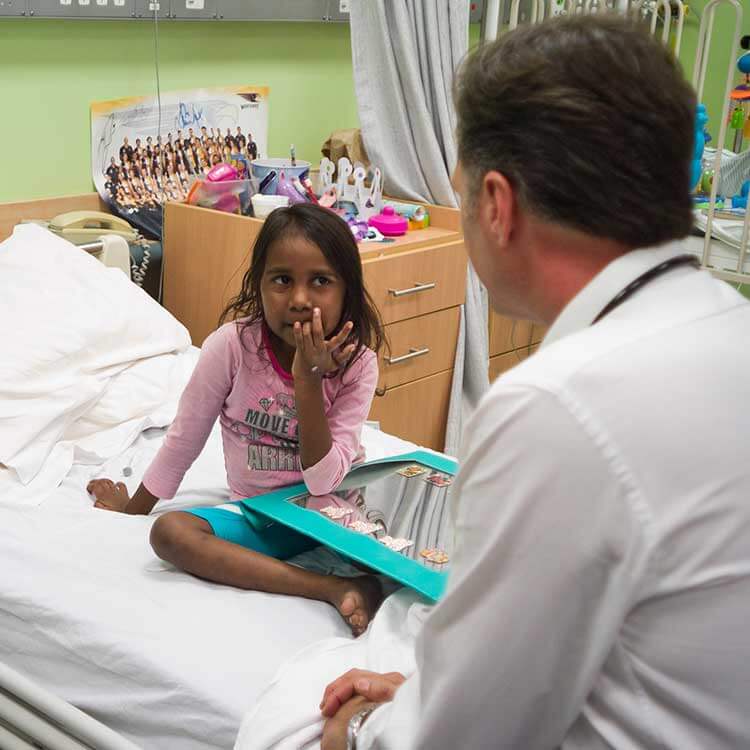
Aboriginal children hospitalised with acute lower respiratory infections (ALRIs) are at-risk of developing bronchiectasis, which can progress from untreated protracted bacterial bronchitis, often evidenced by a chronic (>4 weeks) wet cough following discharge. We aimed to facilitate follow-up for Aboriginal children hospitalised with ALRIs to provide optimal management and improve their respiratory health outcomes.

Early onset of otitis media is a strong predictor of subsequent disease in urban Aboriginal infants: Djaalinj Waakinj cohort study

Australian Aboriginal and/or Torres Strait Islander children in rural/remote areas suffer high rates of persistent otitis media (OM) from early infancy. We aimed to determine the proportion of Aboriginal infants living in an urban area who have OM and investigate associated risk factors.

Exploring the Reported Strengths and Limitations of Aboriginal and Torres Strait Islander Health Research: A Narrative Review of Intervention Studies

High quality intervention research is needed to inform evidence-based practice and policy for Aboriginal and Torres Strait Islander communities. We searched for studies published from 2008-2020 in the PubMed database. A narrative review of intervention literature was conducted, where we identified researcher reported strengths and limitations of their research practice.

Murru Minya-informing the development of practical recommendations to support ethical conduct in Aboriginal and Torres Strait Islander health research: a protocol for a national mixed-methods study

Conducting ethical and high-quality health research is crucial for informing public health policy and service delivery to reduce the high and inequitable burden of disease experienced by Aboriginal and Torres Strait Islander people.

Severe maternal morbidity following stillbirth in Western Australia 2000–2015: a population-based study

There is scant literature about the management of stillbirth and the subsequent risk of severe maternal morbidity (SMM). We aimed to assess the risk of SMM associated with stillbirths compared with live births and whether this differed by the presence of maternal comorbidities.