
Search
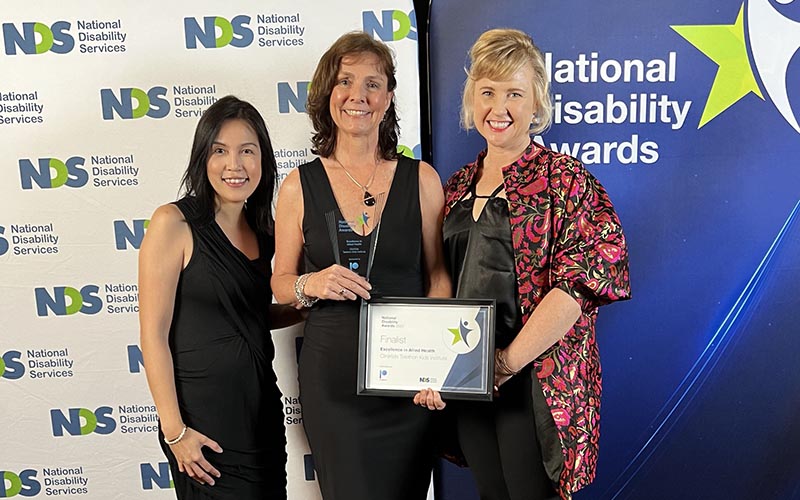
CliniKids has won the Excellence in Allied Health category at the inaugural National Disability Awards, announced in Melbourne tonight.
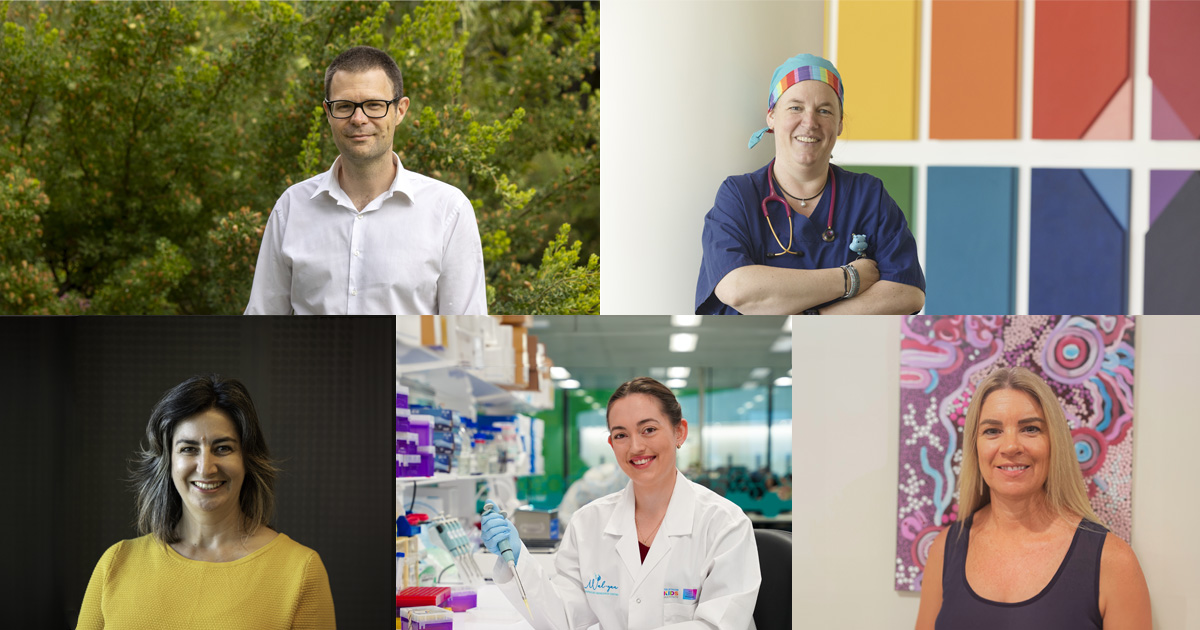
Five The Kids Research Institute Australia researchers working across diverse and highly impactful areas of child health research have been named as finalists for the 2023 Premier’s Science Awards.
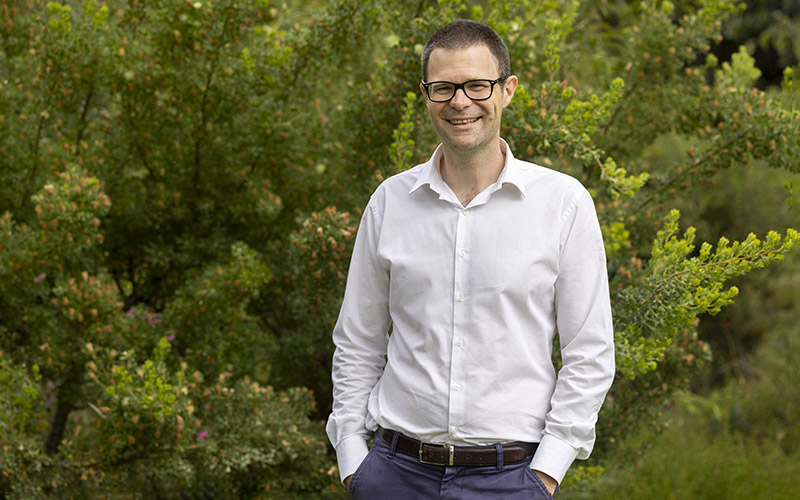
Professor Andrew Whitehouse has been named a finalist in the 2023 Western Australian of the Year Awards for his work in transforming clinical support for autistic children in Australia.
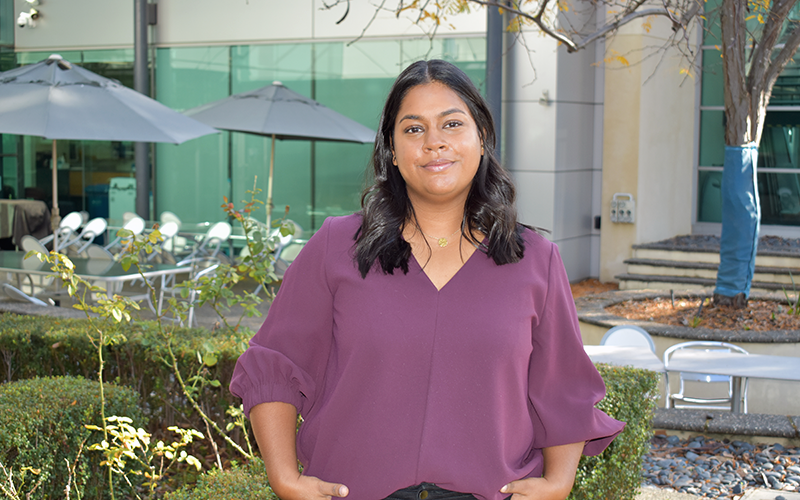
A co-designed digital tool to address anxiety concerns for children on the autism spectrum is set to be developed and trialled in Western Australia.
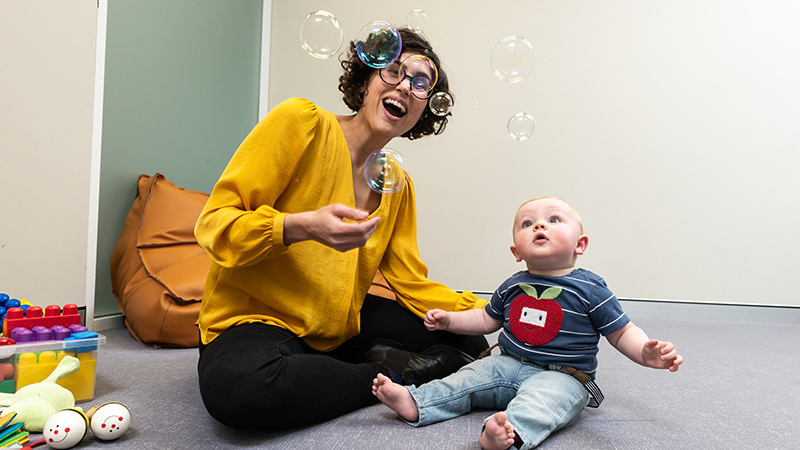
A child-led therapy that supports the social development of babies showing early signs of autism has found a significant reduction in social communication difficulties in babies who received the therapy, according to new research led by CliniKids at The Kids Research Institute Australia.
Early supports to enhance social development in children with autism are widely promoted. While oxytocin has a crucial role in mammalian social development, its potential role as a medication to enhance social development in humans remains unclear.
Children who have an older sibling diagnosed with autism have an increased likelihood of being diagnosed with autism or developing broader developmental difficulties. This study explored perinatal experiences of parents of a child diagnosed with autism, spanning pre-conception until the subsequent child’s early developmental period.
In the Australian disability context, the assessment of children with neurodevelopmental conditions’ functioning (across all domains) is of increasing importance, particularly since the introduction of the National Disability Insurance Scheme. Currently, there is wide variability across assessment of functioning practices, including the choice and use of published tools for assessment.
In multi-cohort consortia, the problem often arises that a phenotype is measured using different questionnaires. This study aimed to harmonize scores based on the Child Behaviour Check List (CBCL) and the Strength and Difficulties Questionnaire (SDQ) for anxiety/depression and ADHD.
To explore factors influencing postoperative experiences of adult cochlear implant (CI) recipients, determine the impact of each factor, and conceptualize recipients' postoperative journey.