Search
Research
Urinary albumin/creatinine ratio tertiles predict risk of diabetic retinopathy progression: a natural history study from the Adolescent Cardio-Renal Intervention Trial (AdDIT) observational cohortWe hypothesised that adolescents with type 1 diabetes with a urinary albumin/creatinine ratio (ACR) in the upper tertile of the normal range (high ACR) are at greater risk of three-step diabetic retinopathy progression (3DR) independent of glycaemic control.
Research
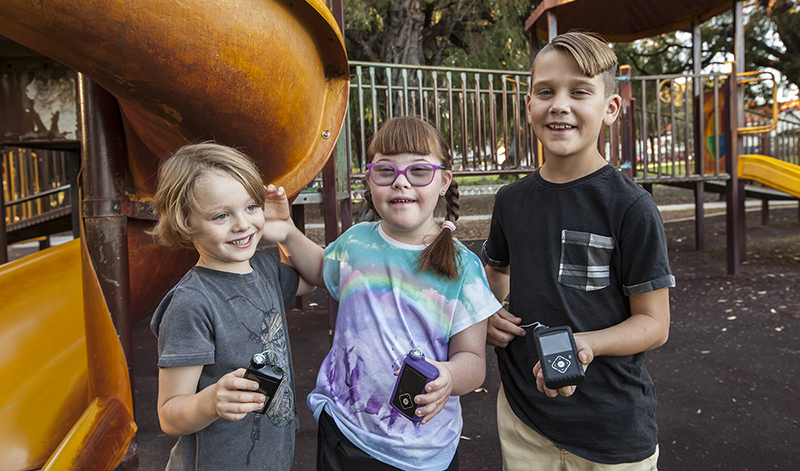
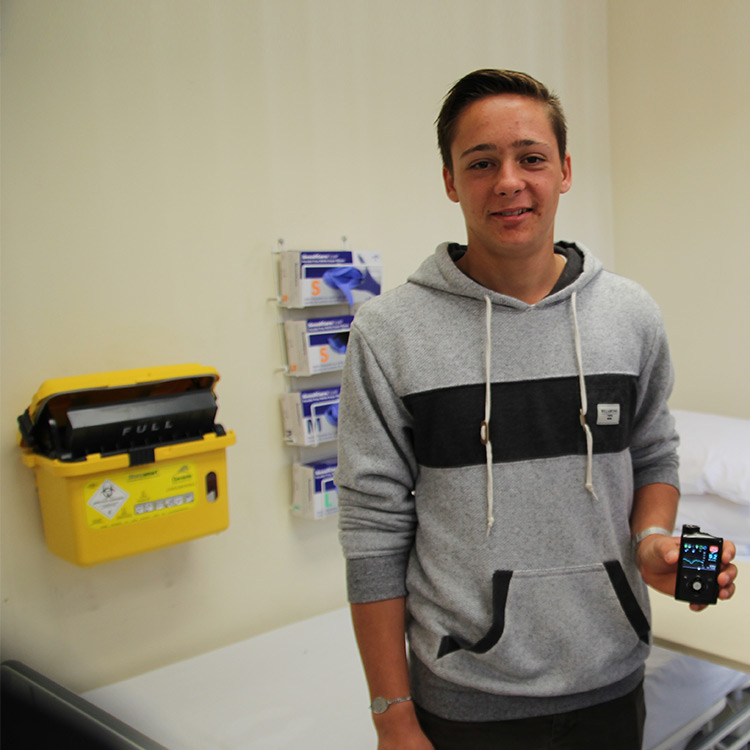
Effect of a Hybrid Closed-Loop System on Glycemic and Psychosocial Outcomes in Children and Adolescents with Type 1 Diabetes: A Randomized Clinical TrialHybrid closed-loop (HCL) therapy has improved glycemic control in children and adolescents with type 1 diabetes; however, the efficacy of HCL on glycemic and psychosocial outcomes has not yet been established in a long-term randomized clinical trial.
Research
A very low carbohydrate diet for minimising blood glucose excursions during ultra-endurance open-water swimming in type 1 diabetes: a case reportCarbohydrate-restricted diets are used by people with type 1 diabetes (T1D) to help manage their condition. However, the impact of this strategy on blood glucose responses to exercise is unknown. This study describes the nutritional strategies of an athlete with T1D, who follows a very low carbohydrate diet to manage her condition during an ultra-endurance open-water swimming event.
Research
Protocol for the Australian Type 1 Diabetes National Screening Pilot: Assessing the feasibility and acceptability of three general population screening models in childrenOne third of Australian children diagnosed with type 1 diabetes present with life-threatening diabetic ketoacidosis (DKA) at diagnosis. Screening for early-stage, presymptomatic type 1 diabetes, with ongoing follow-up, can substantially reduce this risk (<5% risk). Several screening models are being trialled internationally, without consensus on the optimal approach. This pilot study aims to assess three models for a routine, population-wide screening programme in Australia.
Research
A novel mobile health app to educate and empower young people with type 1 diabetes to exercise safely: Prospective single-arm mixed methods pilot studyEmpowering young people with type 1 diabetes (T1D) to manage their blood glucose levels during exercise is a complex challenge faced by health care professionals due to the unpredictable nature of exercise and its effect on blood glucose levels. Mobile health (mHealth) apps would be useful as a decision-support aid to effectively contextualize a blood glucose result and take appropriate action to optimize glucose levels during and after exercise.
Research
Psychological flexibility is associated with less diabetes distress and lower glycated haemoglobin in adults with type 1 diabetesDiabetes distress, self-efficacy and health literacy are associated with diabetes self-management and health outcomes. Measures of coping styles and their impact on diabetes self-management and diabetes-related distress may add value in identifying those at risk of poorer health outcomes. Current evidence of associations between psychological flexibility/inflexibility and diabetes related health outcomes is limited.
Research
Effect of combining pre-exercise carbohydrate intake and repeated short sprints on the blood glucose response to exercise in young individuals with Type 1 diabetesWhen carbohydrates are ingested prior to moderate-intensity exercise, adding repeated sprints is not significantly detrimental to glycaemic management
Research
Use of Continuous Glucose Monitoring Trends to Facilitate Exercise in Children with Type 1 DiabetesThis study investigated the use of a carbohydrate intake algorithm based on continuous glucose monitoring trends during physical activity
Research
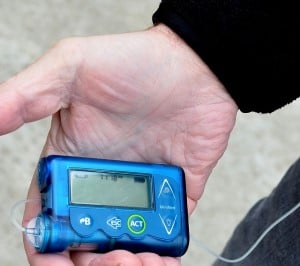
Real-world outcomes of insulin pump compared to injection therapy in a population-based sample of children with type 1 diabetesPatients using insulin pump therapy had a better long-term glycemic control relative to the matched injection therapy cohort
Research
Universal Subsidized Continuous Glucose Monitoring Funding for Young People With Type 1 Diabetes: Uptake and Outcomes Over 2 Years, a Population-Based StudyContinuous glucose monitoring (CGM) is increasingly used in type 1 diabetes management; however, funding models vary. This study determined the uptake rate and glycemic outcomes following a change in national health policy to introduce universal subsidized CGM funding for people with type 1 diabetes aged <21 years.