
Search
There is controversy regarding whether cystic fibrosis (CF) airway epithelial cells (AECs) are intrinsically proinflammatory.
Deep inspiration and airway physiology: human, canine, porcine, or bovine?

The Airway Epithelial Research Team is investigating the role of the epithelium in the development of airway diseases including asthma, cystic fibrosis and lung transplant rejection.

Rothwell Family Fellow; Head, Airway Epithelial Research
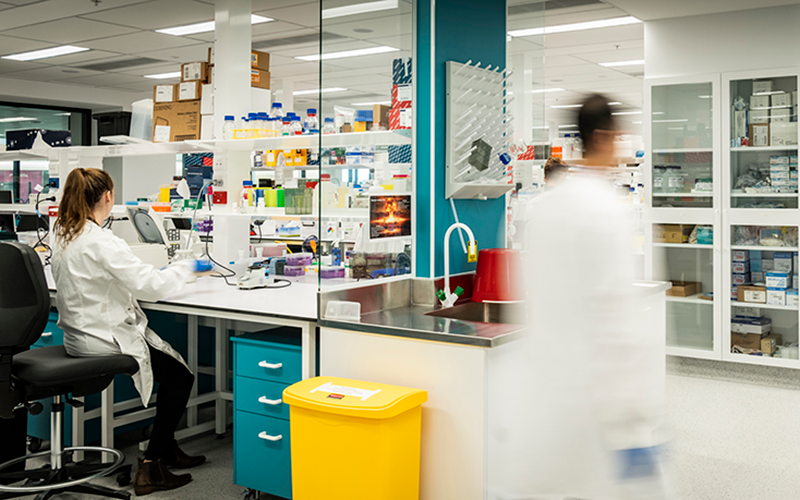
The Kids Research Institute Australia researchers will share in $2.3 million awarded by the Western Australian Department of Health Innovation Seed Fund.
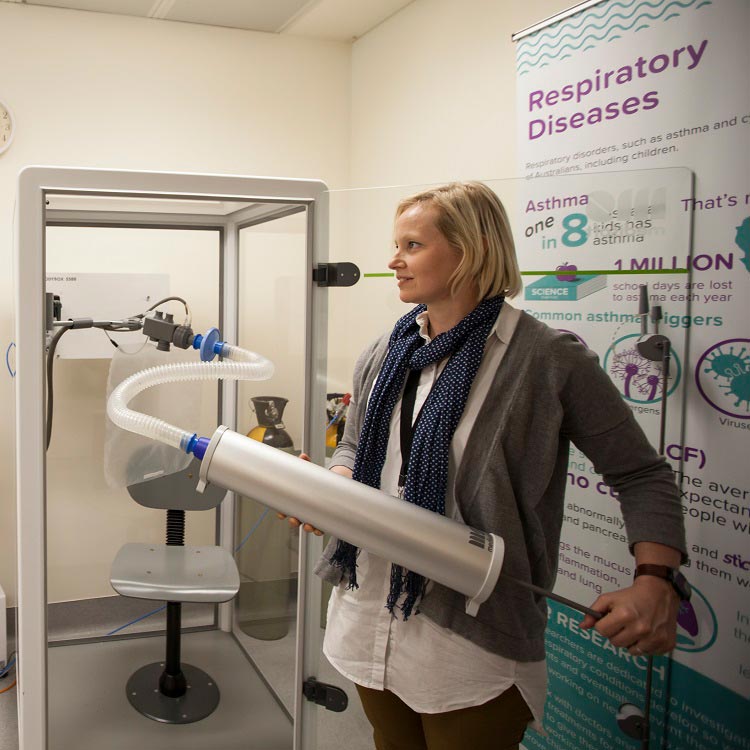
A The Kids Research Institute Australia study published in The Lancet Child & Adolescent Health has found that survivors of very preterm birth face declining lung function
Anthony Tim Kicic Barnett BSc (Hons) PhD PhD Head, Airway Epithelial Research; WA Cystic Fibrosis Research Collaborative Program Fellowship; Stan
An innovative response-adaptive approach to driving improvements in health outcomes, applied to cystic fibrosis.
The project aims to build capacity in regenerative medicine for children with respiratory diseases.
The delay in community transmission of the new Coronavirus in WA, together with the strict, social distancing measures that have been adopted, provide us with an opportunity to observe the level of immunity development to the virus within the community and assess the impact of COVID-19 pandemic on health and well-