
Search
Seasonal malaria chemoprevention (SMC) with sulfadoxine-pyrimethamine plus amodiaquine prevents millions of clinical malaria cases in children younger than 5 years in Africa's Sahel region. However, Plasmodium falciparum parasites partially resistant to sulfadoxine-pyrimethamine (with quintuple mutations) potentially threaten the protective effectiveness of SMC. We evaluated the spread of quintuple-mutant parasites and the clinical consequences.
There are scant and variable data concerning the incidence of malaria in infants in endemic areas. This study evaluated the impact of maternal antimalarial treatment given postpartum on malaria incidence and growth/development in infants from coastal Papua New Guinea (PNG).
In high-transmission areas, school-aged children have higher malaria prevalence and contribute significantly to the transmission reservoir. Malaria infections can be asymptomatic or present with symptoms which may contribute to anaemia, severe illness and fatal malaria. This analysis provides trends of malaria prevalence and associated risk factors among school-aged children in mainland Tanzania.
Current malaria elimination targets must withstand a colossal challenge-resistance to the current gold standard antimalarial drug, namely artemisinin derivatives. If artemisinin resistance significantly expands to Africa or India, cases and malaria-related deaths are set to increase substantially.
In malaria epidemiology, interpolation frameworks based on available observations are critical for policy decisions and interpreting disease burden. Updating our understanding of the empirical evidence across different populations, settings, and timeframes is crucial to improving inference for supporting public health.
The spatial and temporal variability inherent in malaria transmission within countries implies that targeted interventions for malaria control in high-burden settings and subnational elimination are a practical necessity. Identifying the spatio-temporal incidence, risk, and trends at different administrative geographies within malaria-endemic countries and monitoring them in near real-time as change occurs is crucial for developing and introducing cost-effective, subnational control and elimination intervention strategies.
HIV, tuberculosis (TB) and malaria are the three most important infectious diseases in Ethiopia, and sub-Saharan Africa. Understanding the spatial codistribution of these diseases is critical for designing geographically targeted and integrated disease control programmes. This study investigated the spatial overlap and drivers of HIV, TB and malaria prevalence in Ethiopia.
As malaria incidence decreases and more countries move towards elimination, maps of malaria risk in low-prevalence areas are increasingly needed. For low-burden areas, disaggregation regression models have been developed to estimate risk at high spatial resolution from routine surveillance reports aggregated by administrative unit polygons.
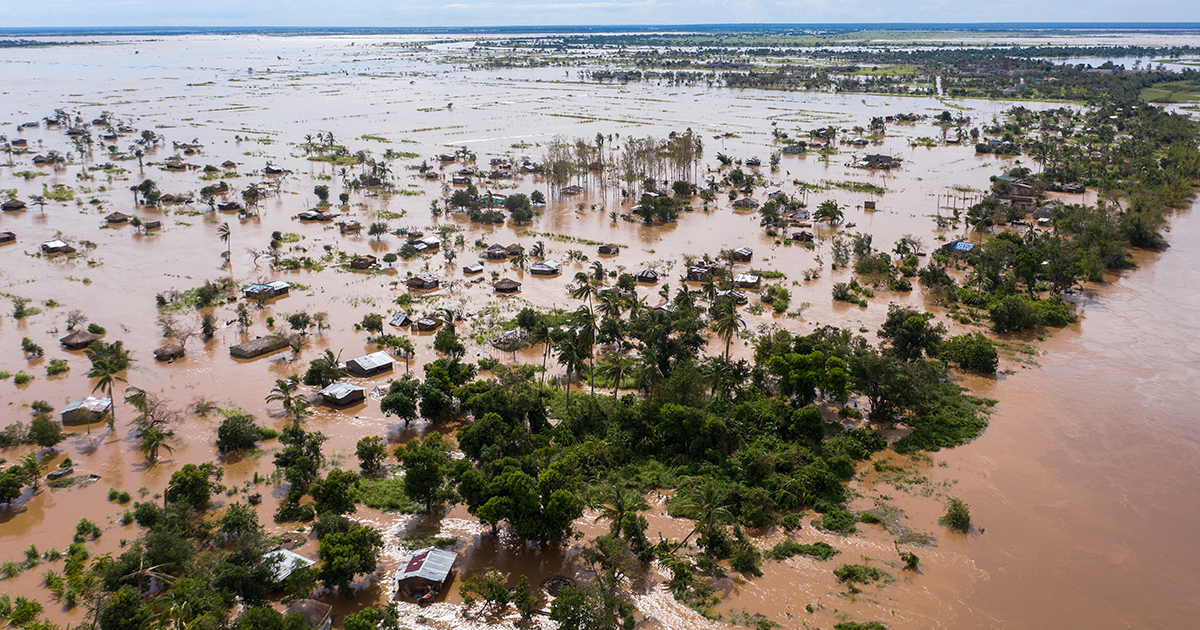
World-first research from The Kids Research Institute Australia and Curtin University predicts climate change could trigger more than 100 million additional malaria cases and 500,000 additional deaths in Africa by 2050, including substantial impacts on children.

Research to eliminate one of the world’s deadliest diseases – malaria – will be accelerated thanks to a USD $4.7 million grant from the Gates Foundation for scientists at The Kids Research Institute Australia and The University of Western Australia (UWA).