
Search
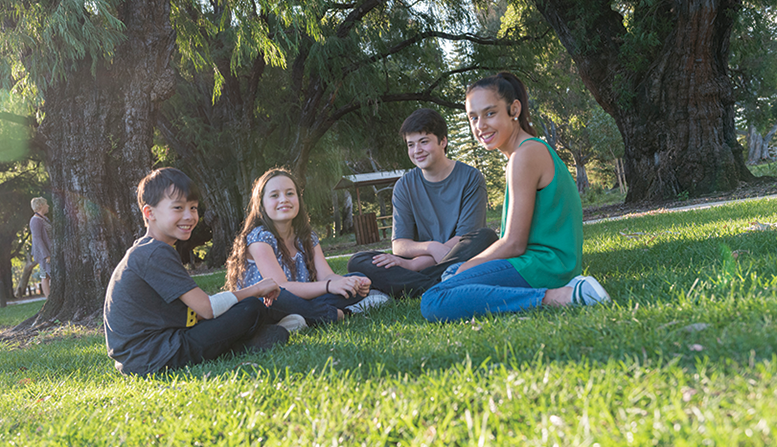
Flat out trying hard to keep up with the ever-changing threats from cyberbullying, The Kids Research Institute Australia counts itself fortunate to have youth on its side.
Understand the relationship between The Kids Research Institute Australia and Wangle Family Insites, a research-driven app to analyse children’s online activity in real time.

The Kids Research Institute Australia researchers have found a strong link between excessive internet use and increased levels of psychological distress, including suicidal t

Do you want to know how to protect your kids online? The Kids Research Institute Australia's Professor Donna Cross outlines her top ten tips for cyber safety in this video.
Cyberbullying is a form of online harassment, where the bullying is carried out through the use of modern technology.
Even in the safety of their home, there are many risky places a child or teenager can visit online. This can be due to the content they see, who they come into contact with, and personal information they share.
Bullying is now regarded as a health problem and not just a disciplinary problem. Increasing evidence shows both traditional bullying (e.g. hitting, teasing) and cyberbullying have lasting effects on young people (both those who bully and those who are bullied), including damage to self-esteem, academic results and mental health.
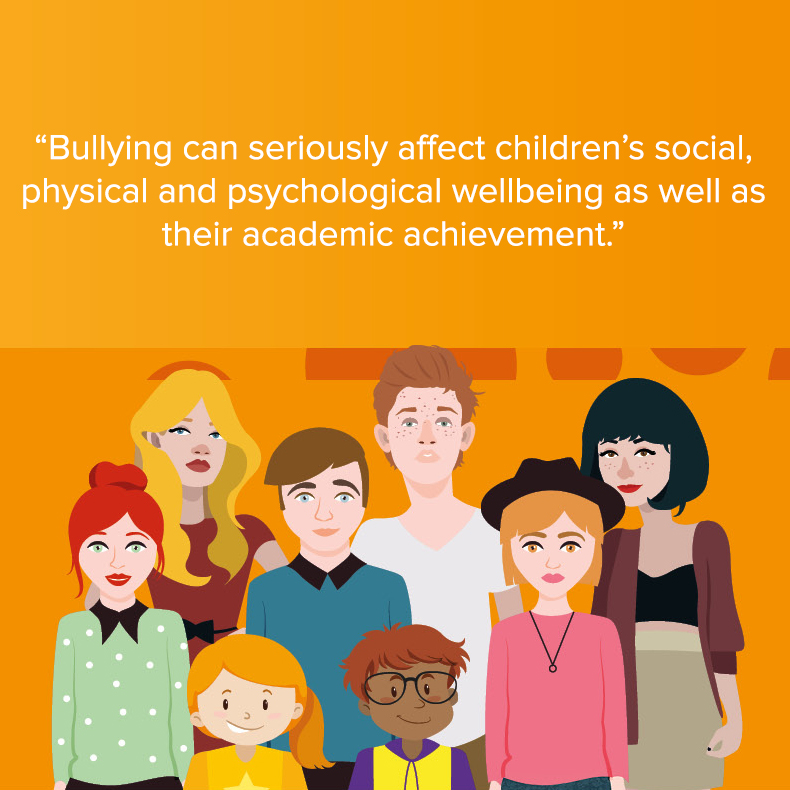
Infographics to easily learn more about bullying and what actions to take should bullying be an issue in your school or community.
This research sought to explore the main factors affecting young people's image-sharing behaviors, particularly in the context of peer relationships and norms
The narrative structure innate to the Design Thinking process offered a picture of electronic image-sharing problems and related solutions from young people’s perspectives