
Search
National policies are essential for countries to adapt to the negative health impacts of climate change. Children are disproportionately affected by these impacts and must be at the heart of adaptation policies to address their vulnerabilities. Adaptation commitments worldwide are integrated into national adaptation plans, nationally determined contributions, national communications, and other multisectoral policies. We aimed to evaluate how effectively national climate change policies worldwide plan to protect child health, considering a range of determinants for successful child-health adaptation.
Children are disproportionately affected by the negative health effects of climate change. We did a systematic review to synthesise the available evidence on tested interventions to improve child health in response to the impacts of climate change.
Investigators: Peter Le Souef Project description There have been almost no studies of the first illness caused by HIV infection. We have recruited
Ingrid Pat Laing Holt BSc PhD PhD, DSc, FRCPath, FRCPI, FAA Head, Children's Respiratory Science Emeritus Honorary Researcher 6319 1828 Ingrid.laing@
Health outcomes for Australian Aboriginal and Torres Strait peoples are very poor. This is considerably worse in remote regions. The East Pilbara, where the Aboriginal and Torres Strait Islander communities of the Martu and Nyiyaparli people reside, is one such remote region.
Rhinoviruses (RVs) can cause severe wheezing illnesses in young children and patients with asthma. Vaccine development has been hampered by the multitude of RV types with little information about cross-neutralization. We previously showed that neutralizing antibody (nAb) responses to RV-C are detected twofold to threefold more often than those to RV-A throughout childhood. Based on those findings, we hypothesized that RV-C infections are more likely to induce either cross-neutralizing or longer-lasting antibody responses compared with RV-A infections.
The epithelium is integral to the protection of many different biological systems and for the maintenance of biochemical homeostasis. Emerging evidence suggests that particular children have epithelial vulnerabilities leading to dysregulated barrier function and integrity, that resultantly contributes to disease pathogenesis.
Acute wheezing is one of the most common hospital presentations for young children. Respiratory syncytial virus (RSV) and rhinovirus (RV) species A, B and the more recently described species C are implicated in the majority of these presentations. However, the relative importance and age-specificities of these viruses have not been defined.
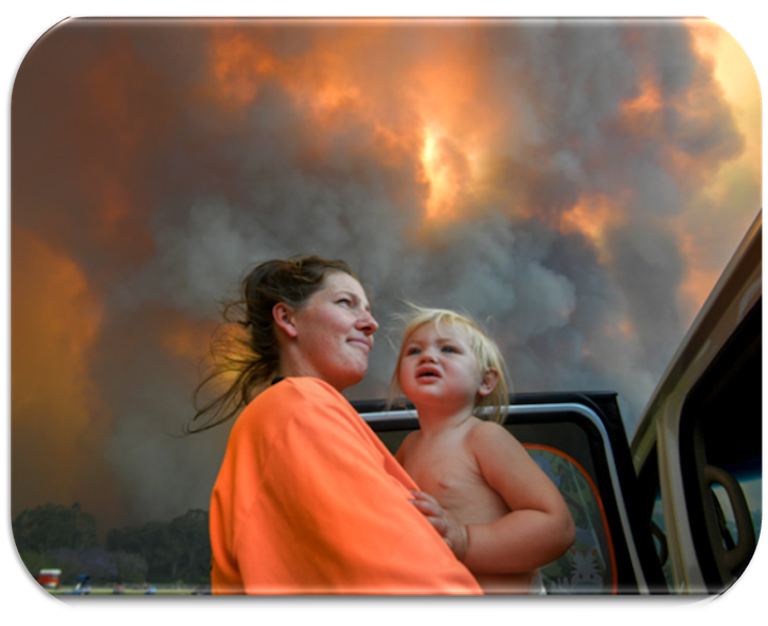
The greatest threat to children’s health in the future is environmental change, including climate change. The Future Child Health project aims to quantify how current and future environmental changes affect child health.
Large numbers of children need emergency medical treatment each year for respiratory illnesses, particularly for wheezing and asthma.