
Search
Amoxicillin-clavulanate treatment is beneficial in terms of resolution of non-severe exacerbations of bronchiectasis in children
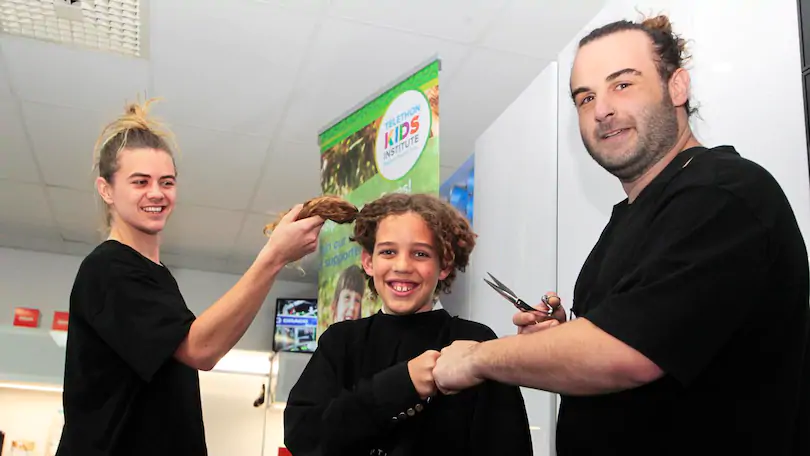
A brave young man stepped up to the plate on Friday to do his part in the battle against cancer.
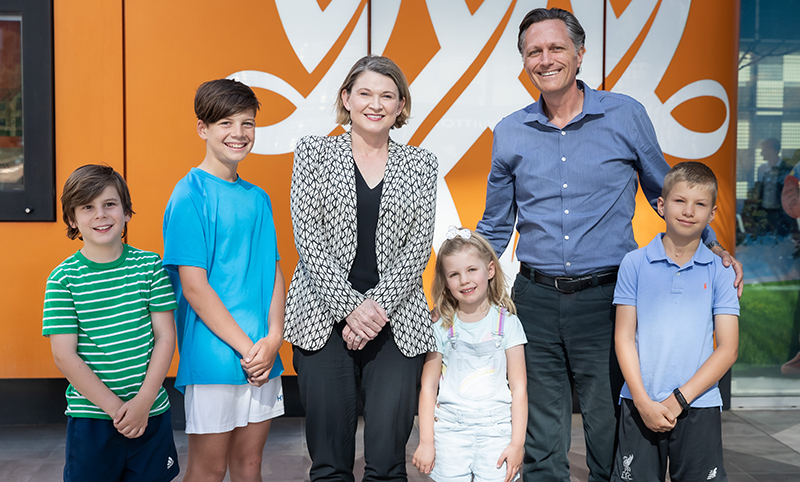
Bankwest and The Kids Research Institute Australia have announced a new partnership, bringing together two iconic Western Australian organisations to support parents in their cyber safety battle.
We hypothesised that scheduling an additional (third) dose of oral human rotavirus vaccine for children aged 6 to <12 months would improve protection
This study suggests that low Apgar score is associated with higher risk of autism spectrum disorder, and in particular autistic disorder
We evaluate a meta-taxonomic approach to determine the composition of prokaryotic and eukaryotic gut microflora using sequencing of 16S RNA and 18S rRNA
This review examines the consequences of preterm birth on the airway epithelium and explores the clinical relevance of currently available models
This is the first study demonstrating the negative impact of antibiotic allergy labels on clinical outcomes in children
Prader-Willi syndrome (PWS) is a rare genetic condition with multi-system involvement
These findings present an opportunity to move towards the personalized care of adolescents with type 1 diabetes mellitus