
Search
Developmental language disorder is a heterogeneous diagnostic category. Little research has compared the long-term outcomes of children with different...
This study investigated the relation between friendship, loneliness and depressive symptoms in adolescents with Asperger's Syndrome (AS).
Some individuals with autism spectrum disorders (ASD) experience linguistic difficulties similar to those found in individuals with specific language...
Three experiments investigated the role of inner speech deficit in cognitive performances of children with autism.
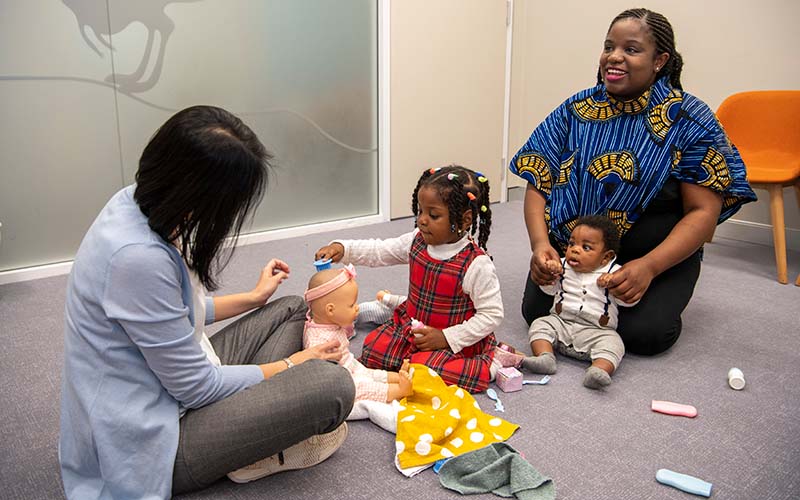
The Kids' autism research takes place at CliniKids, a centre that integrates world-class research with a clinical service for children with developmental delay and/or autism and their families.
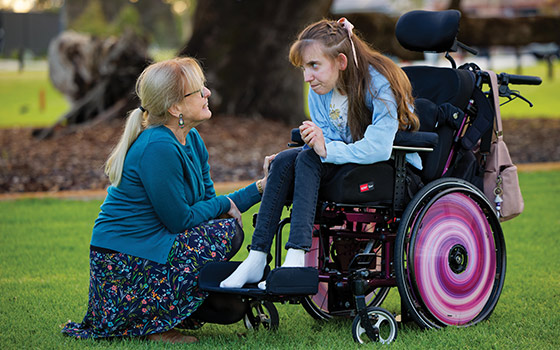
The Quality of Life Inventory - Disability
Children who have an older sibling diagnosed with autism have an increased likelihood of being diagnosed with autism or developing broader developmental difficulties. This study explored perinatal experiences of parents of a child diagnosed with autism, spanning pre-conception until the subsequent child’s early developmental period.
In the Australian disability context, the assessment of children with neurodevelopmental conditions’ functioning (across all domains) is of increasing importance, particularly since the introduction of the National Disability Insurance Scheme. Currently, there is wide variability across assessment of functioning practices, including the choice and use of published tools for assessment.
Pre-reading language skills develop rapidly in early childhood and are related to brain structure and functional architecture in young children prior to formal education. However, the early neurobiological development that supports these skills is not well understood.