
Search
In 2002, the Founding Director of The Kids for Child Health Research, Professor Fiona Stanley, approached Rio Tinto Ltd about the possibility...
To investigate temporal trends in admission rates for acute lower respiratory infections (ALRI) in a total population birth cohort of non-Aboriginal and...
Data for recent years show a shift away from a classification of 'SIDS' towards a classification of 'unascertainable', particularly for Aboriginal infants.
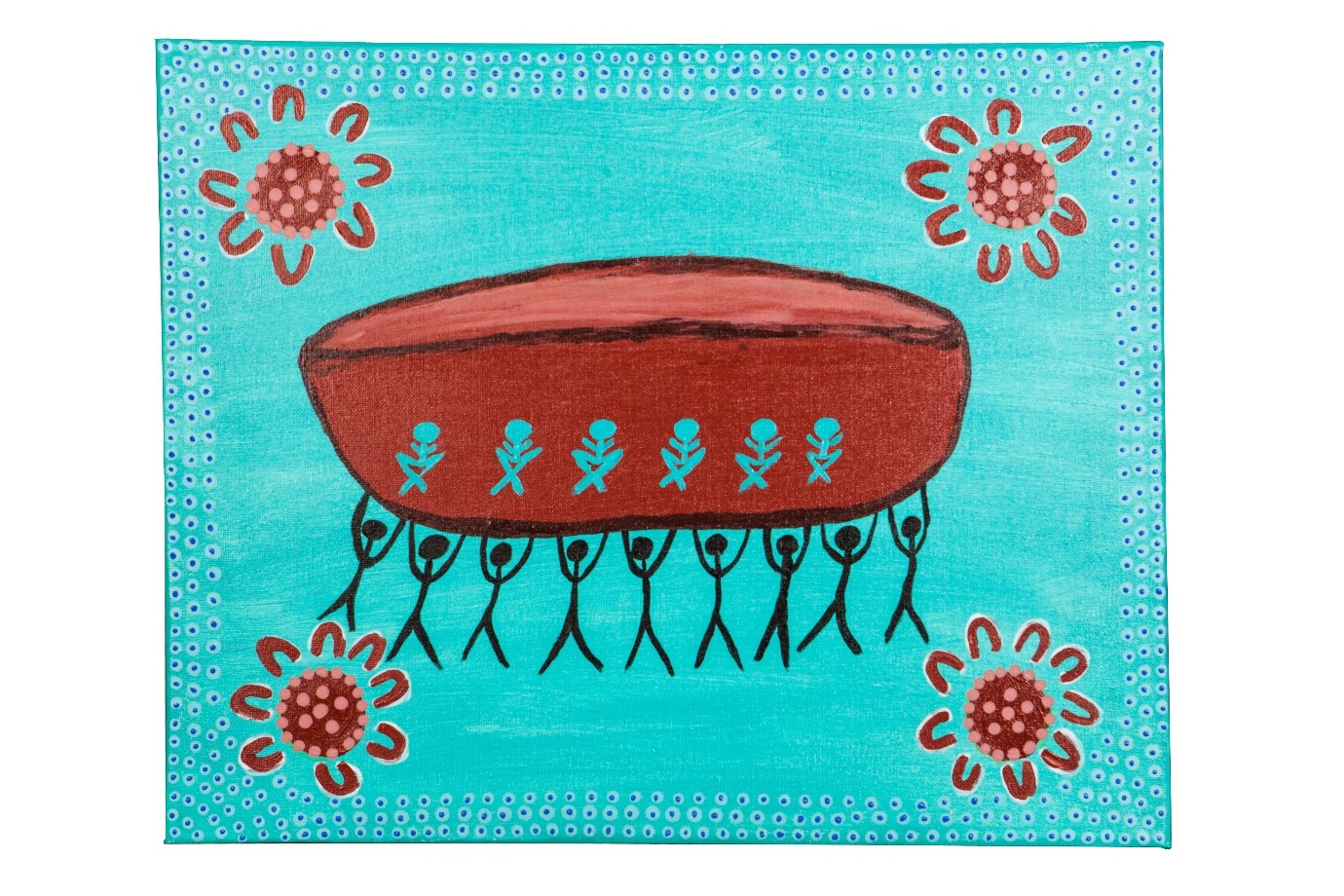
Brings the Aboriginal community(s) of Perth together with service providers & policy makers to improve outcomes for Aboriginal kids and their families.
Globally, Indigenous peoples have incurred significant harm due to colonisation of their lands. Dispossession of culture, language, family and land, and the historical, systematic removal of children in Australia (the ‘Stolen Generation’), has resulted in evident ongoing negative outcomes in the contemporary lives of Aboriginal and Torres Strait Islander people.
Reflexivity is crucial for researchers and health professionals working within Aboriginal health. Reflexivity provides a tool for non-Aboriginal researchers to contribute to the broader intention of reframing historical academic positivist paradigms into Indigenous research methodologies to privilege Aboriginal voices in knowledge construction and decision-making.
Aboriginal children and families contend with higher rates of preventable infectious diseases that can be attributed to their immediate living environment. The environments in which children spend most of their time are their homes and schools. We aimed to understand the opportunities in the school setting to support student skin health and wellbeing through environmental health activities, how these activities were completed, and the barriers to their implementation.
Young people who have had contact with the criminal justice system are at increased risk of early death, especially from injuries. However, deaths due to non-communicable diseases (NCDs) in this population remain poorly described. We aimed to estimate mortality due to NCDs in people with a history of involvement with the youth justice system, compare NCD mortality rates in this population with those in the general population, and characterise demographic and justice-related factors associated with deaths caused by NCDs in people with a history of contact with the youth justice system.
Histo-blood group antigens (HBGAs) may influence immune responses to rotavirus vaccination.
For millennia, Aboriginal people's ways of knowing, doing and being were shared through art, song, and dance. Colonisation silenced these ways, affecting loss of self-determination for Aboriginal people. Over the past decade in Australia, hip-hop projects have become culturally appropriate approaches for health promotion.