
Search
Children with congenital heart defects (CHDs) are at higher risk of developing an intellectual disability. However, severity of intellectual disabilities among this group of children are largely unknown. Our objective was to determine the risk of intellectual disability (ID), ID severity, and autism among children with CHDs.
Understanding hospital service use among children with a diagnosis of craniosynostosis is important to improve services and outcomes. This study aimed to describe population-level trends, patterns, and factors influencing hospitalizations for craniosynostosis in Western Australia.
The aim of this review was to map the literature assessing associations between maternal or infant immune or gut microbiome biomarkers and child neurodevelopmental outcomes within the first 5 years of life. We conducted a PRISMA-ScR compliant review of peer-reviewed, English-language journal articles.
Australian Aboriginal and/or Torres Strait Islander children in rural/remote areas suffer high rates of persistent otitis media (OM) from early infancy. We aimed to determine the proportion of Aboriginal infants living in an urban area who have OM and investigate associated risk factors.
To compare quality of life (QOL) across diagnoses associated with intellectual disability, construct QOL profiles and evaluate membership by diagnostic group, function and comorbidities.
To investigate developmental trajectories in early childhood and predictors of class assignment.
Siblings of persons with neurodevelopmental conditions (NDCs) have increased risk of poorer psychosocial functioning. This systematic review evaluated quantitative and qualitative evidence on sibling mental health and wellbeing outcomes following psychosocial interventions and the risk and protective factors associated with post-intervention outcomes.
To identify factors associated with quality of life (QoL) in children with intellectual disability. We aimed to identify patterns of association not observable in previous hypothesis-driven regression modelling using the same data set from a cross-sectional observational study.
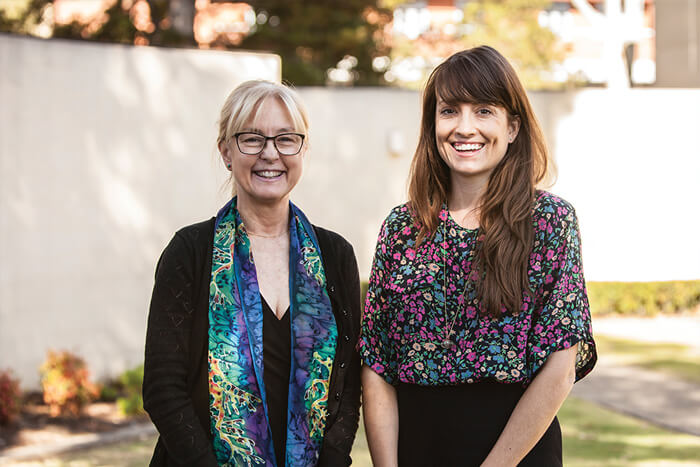
If there’s one thing modern researchers and health professionals now understand, it’s that for so many diseases and conditions affecting children and adolescents, early intervention is crucial.
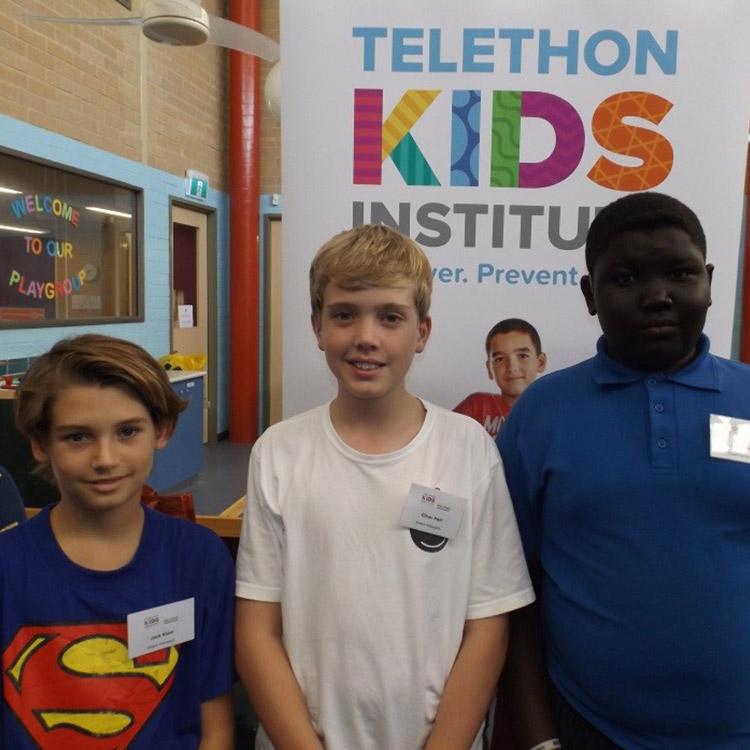
Ethan recently took part in Belong, a study led by The Kids which aims to ensure deaf and hard of hearing kids have a happy & positive school experience