Search
Research
Exploiting the reactive oxygen species imbalance in high-risk paediatric acute lymphoblastic leukaemia through auranofinThe prognosis for high-risk childhood acute leukaemias remains dismal and established treatment protocols often cause long-term side effects in survivors. This study aims to identify more effective and safer therapeutics for these patients.
Research
The Combination of Curaxin CBL0137 and Histone Deacetylase Inhibitor Panobinostat Delays KMT2A-Rearranged Leukemia ProgressionRearrangements of the Mixed Lineage Leukemia (MLL/KMT2A) gene are present in approximately 10% of acute leukemias and characteristically define disease with poor outcome.
Research
Prospective longitudinal evaluation of treatment-related toxicity and health-related quality of life during the first year of treatment for pediatric acute lymphoblastic leukemiaPediatric acute lymphoblastic leukemia (ALL) therapy is accompanied by treatment-related toxicities (TRTs) and impaired quality of life. In Australia and New Zealand, children with ALL are treated with either Children's Oncology Group (COG) or international Berlin-Frankfurt-Munster (iBFM) Study Group-based therapy.
Research
ADR3, a next generation i-body to human RANKL, inhibits osteoclast formation and bone resorptionOsteoporosis is a chronic skeletal condition characterized by low bone mass and deteriorated microarchitecture of bone tissue and puts tens of millions of people at high risk of fractures. New therapeutic agents like i-bodies, a class of next-generation single-domain antibodies, are needed to overcome some limitations of conventional treatments.
Research
The bone marrow microenvironment of pre-B acute lymphoblastic leukemia at single-cell resolutionThe bone marrow microenvironment plays a key role in leukemia progression, but its molecular complexity in pre-B cell acute lymphoblastic leukemia (B-ALL), the most common cancer in children, remains poorly understood. To gain further insight, we used single-cell RNA sequencing to characterize the kinetics of the murine BMM during B-ALL progression.
Research
COVID-19 vaccination in children and adolescents aged 5 years and older undergoing treatment for cancer and non-malignant haematological conditions: Australian and New Zealand Children’s Haematology/Oncology Group consensus statementThe Australian Technical Advisory Group on Immunisation and New Zealand Ministry of Health recommend all children aged ≥ 5 years receive either of the two mRNA COVID-19 vaccines: Comirnaty (Pfizer), available in both Australia and New Zealand, or Spikevax (Moderna), available in Australia only. Both vaccines are efficacious and safe in the general population, including children. Children and adolescents undergoing treatment for cancer and immunosuppressive therapy for non-malignant haematological conditions are particularly vulnerable, with an increased risk of severe or fatal COVID-19.
News & Events
Welcome Kandice!CliniKids is excited to welcome Dr Kandice Varcin to the team as part of a new partnership between The Kids Research Institute Australia and Griffith University.
Research
Insights into the Clinical, Biological and Therapeutic Impact of Copy Number Alteration in CancerCopy number alterations (CNAs), resulting from the gain or loss of genetic material from as little as 50 base pairs or as big as entire chromosome(s), have been associated with many congenital diseases, de novo syndromes and cancer. It is established that CNAs disturb the dosage of genomic regions including enhancers/promoters, long non-coding RNA and gene(s) among others, ultimately leading to an altered balance of key cellular functions.
Research
Down syndrome-associated leukaemias: current evidence and challengesChildren with Down syndrome (DS) are at increased risk of developing haematological malignancies, in particular acute megakaryoblastic leukaemia and acute lymphoblastic leukaemia. The microenvironment established by abnormal haematopoiesis driven by trisomy 21 is compounded by additional genetic and epigenetic changes that can drive leukaemogenesis in patients with DS.
Research
Invasive fungal disease in children with solid tumors: An Australian multicenter 10-year reviewInvasive fungal disease (IFD) occurs less frequently during treatment for solid compared to hematological malignancies in children, and risk groups are poorly defined. Retrospective national multicenter cohort data (2004-2013) were analyzed to document prevalence, clinical characteristics, and microbiology of IFD.
News & Events
Joondalup clinic newsCliniKids’ new clinic in the Joondalup area is coming along nicely and is on track to open around the middle of the year.
News & Events
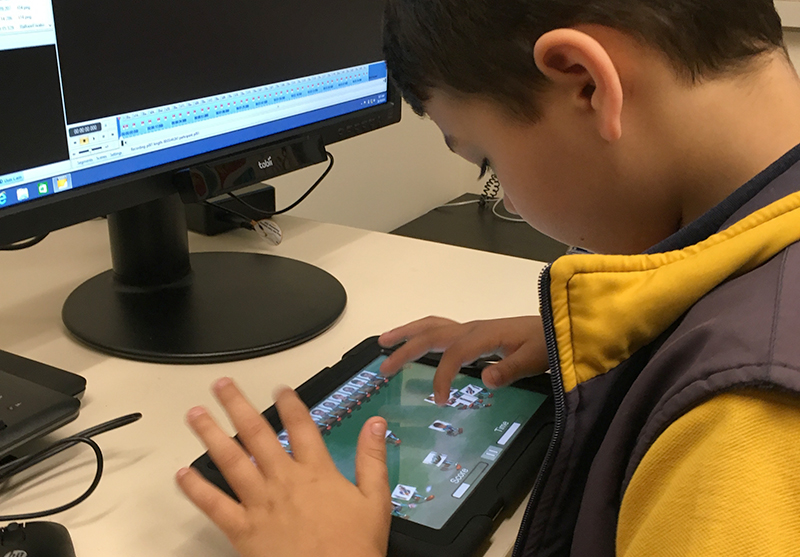
Frankie and Friends appResearchers at The Kids Research Institute Australia and University of Western Australia have recently published data describing the use of an attention training game designed for school-aged children diagnosed with autism spectrum disorder (ASD).

News & Events
The Kids researchers finalists in Premier’s Science AwardsThe Kids Research Institute Australia has two researchers and an innovative science engagement initiative as finalists in the 2017 Premier’s Science Awards.
News & Events
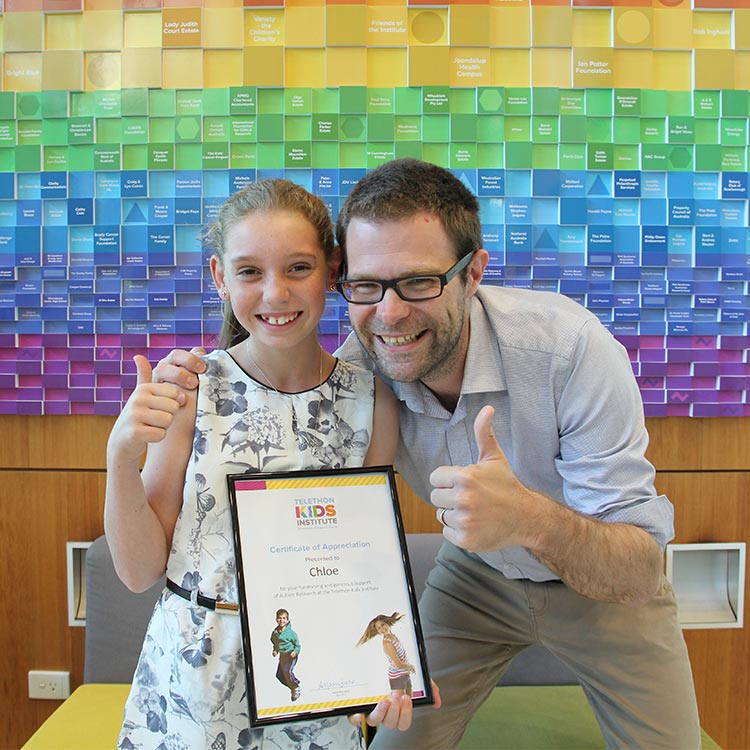
Fundraising star: Chloe (11) Bakes for Autism ResearchChloe recently decided to bake cupcakes to sell to her school friends and teachers and it was all for a cause very close to her heart - autism research.
News & Events
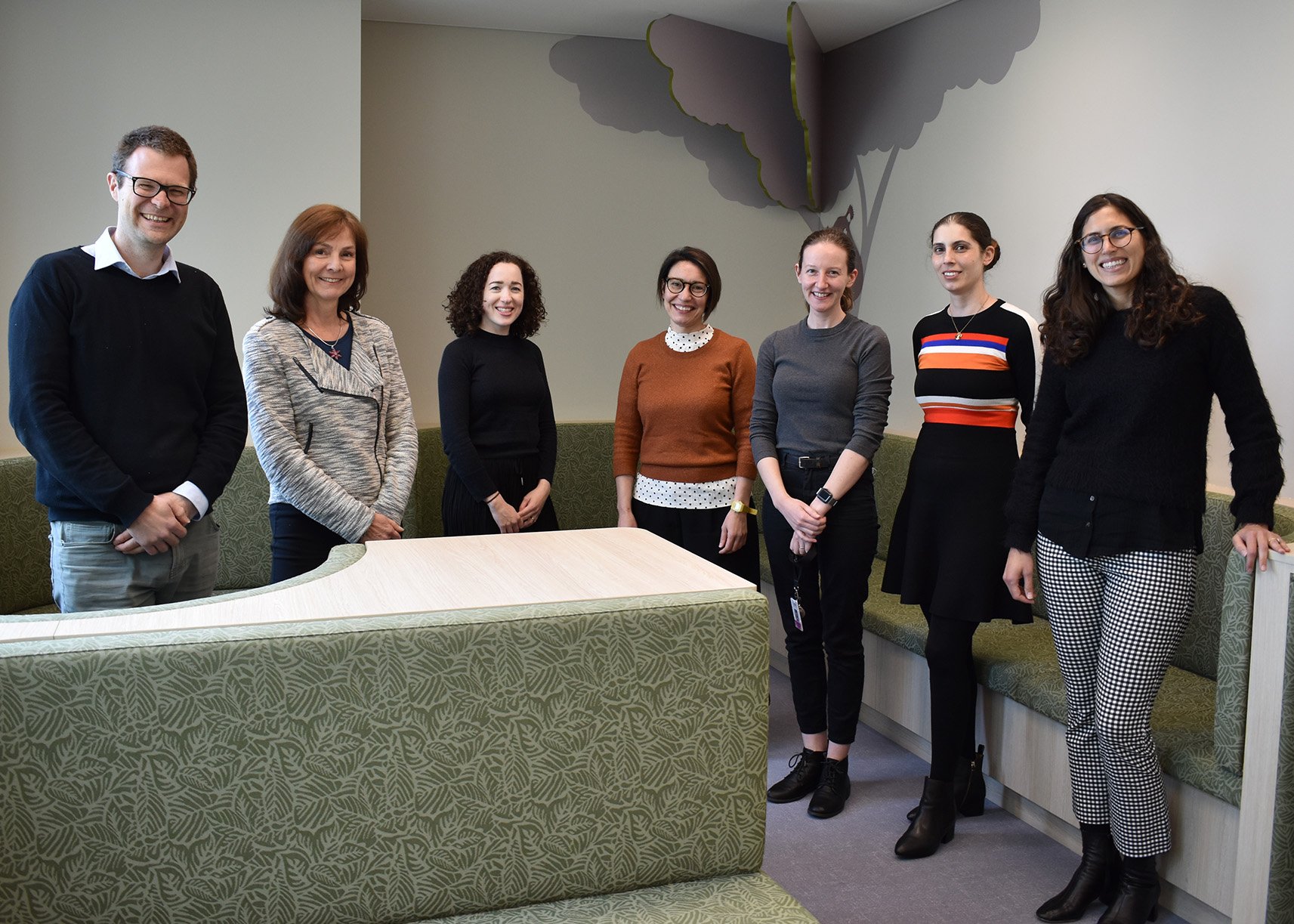
Thinking big to tackle kids’ brain developmentIf there’s one thing modern researchers and health professionals now understand, it’s that for so many diseases and conditions affecting children and adolescents, early intervention is crucial.
News & Events
Children with autism may benefit from app-based therapiesA The Kids Research Institute Australia study has shown that in addition to intervention with trained therapists, children with autism may benefit from app-based therapies.
About The Autism Register
Research
Prenatal Exposure to General Anesthesia and Childhood Behavioral DeficitExposure to surgery and anesthesia in early childhood has been found to be associated with an increased risk of behavioral deficits. While the US Food and Drug Administration (FDA) has warned against prenatal exposure to anesthetic drugs, little clinical evidence exists to support this recommendation.
Research
Occurrence of psychosis and bipolar disorder in adults with autism: A systematic review and meta-analysisEvidence suggests that individuals with autism spectrum disorder have increased rates of co-occurring psychosis and/or bipolar disorder. Considering the peak age of onset for psychosis and bipolar disorder occurs in adulthood, we investigated the co-occurrence of these disorders in adults with autism.