
Search
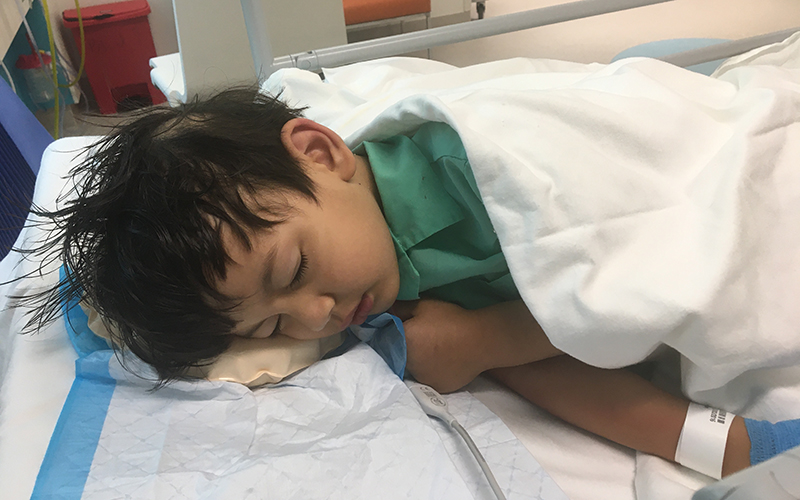
Charlie, 6, has ended up in hospital twice with invasive Strep A infection over his short lifetime – the first time when just three years old.

The urgency for a world-first respiratory syncytial virus vaccine is at an all-time high.
The Western Australia (WA) Respiratory Infections Linked Data Platform is a population-based cohort established to investigate the epidemiology of RSV and other respiratory infections in children aged 0-10 years, incorporating microbiological testing patterns, hospital admissions, emergency department presentations, and socio-demographic data.
Britta Regli-von Ungern-Sternberg AM FAHMS MD, PhD, DEAA, FANZA Chair of Paediatric anaesthesia, University of Western Australia; Consultant
Respiratory syncytial virus (RSV) remains a leading cause of mortality and morbidity worldwide. RSV seasonality was disrupted by COVID-19-associated nonpharmaceutical interventions (NPIs). We review RSV seasonality, molecular epidemiology, clinical manifestations, and community awareness to inform future prevention strategies.
The association between early-life respiratory syncytial virus infections and later respiratory morbidity is well established. However, there is limited evidence on factors that influence this risk. We examined sociodemographic and perinatal factors associated with later childhood respiratory morbidity requiring secondary care following exposure to a laboratory-confirmed RSV episode in the first 2 years.
Managing bronchiectasis exacerbations is a priority for patients, parents, and caregivers of children with bronchiectasis. However, evidence-based strategies among the pediatric population remain limited.
Acute rheumatic fever is a preventable condition that can lead to chronic illness and early death. Standard prevention with 4-weekly intramuscular (IM) benzathine penicillin G (BPG) injections for ≥10 years may be associated with poor adherence. High-dose 10-weekly subcutaneous penicillin injections (SCIP) may improve adherence by reducing injection frequency.
At present, limited literature exists exploring patient preferences for prophylactic treatment of acute rheumatic fever and rheumatic heart disease. Given low treatment completion rates to this treatment in Australia, where the burden of disease predominantly affects Aboriginal and Torres Strait Islander people, an improved understanding of factors driving patient preference is required to improve outcomes.
To assess parental awareness of respiratory syncytial virus (RSV) and the level of acceptance of future RSV prevention strategies. A cross-sectional online survey was implemented targeting "future" and "current" parents of children aged ≤5 years in Australia.