
Search
Despite impacting mankind since ancient times, tuberculosis (TB) persists as the leading cause of death from an infectious disease. TB can remain latent and further research is required to understand activation risk and the risks vs. the benefits of treating latent infection. Drug resistance poses an escalating threat to treating active disease and achieving cure.
Tuberculosis (TB) is the leading infectious cause of death globally. Several preventive measures are employed to prevent TB, yet there is a paucity of evidence on the effectiveness of these interventions. Therefore, this study aimed to identify the most effective interventions for reducing TB incidence.
Multidrug-resistant tuberculosis (MDR-TB) is a major health threat worldwide, causing a significant economic burden to patients and their families. Due to the longer duration of treatment and expensive second-line medicine, the economic burden of MDR-TB is assumed to be higher than drug-susceptible TB.
Tuberculosis (TB) remains a major cause of morbidity and mortality in the world, despite being a preventable and curable disease. The World Health OrganizationEnd-TB Strategy, aligned with the Sustainable Development Goals, sets a target of reducing the TB mortality rate by 95%, TB incidence rate by 90%, and catastrophic costs due to TB by 2035, compared with a 2015 level. To achieve these ambitious targets, several interventions have been implemented in the last few years, resulting in major progress toward reducing the burden of TB.
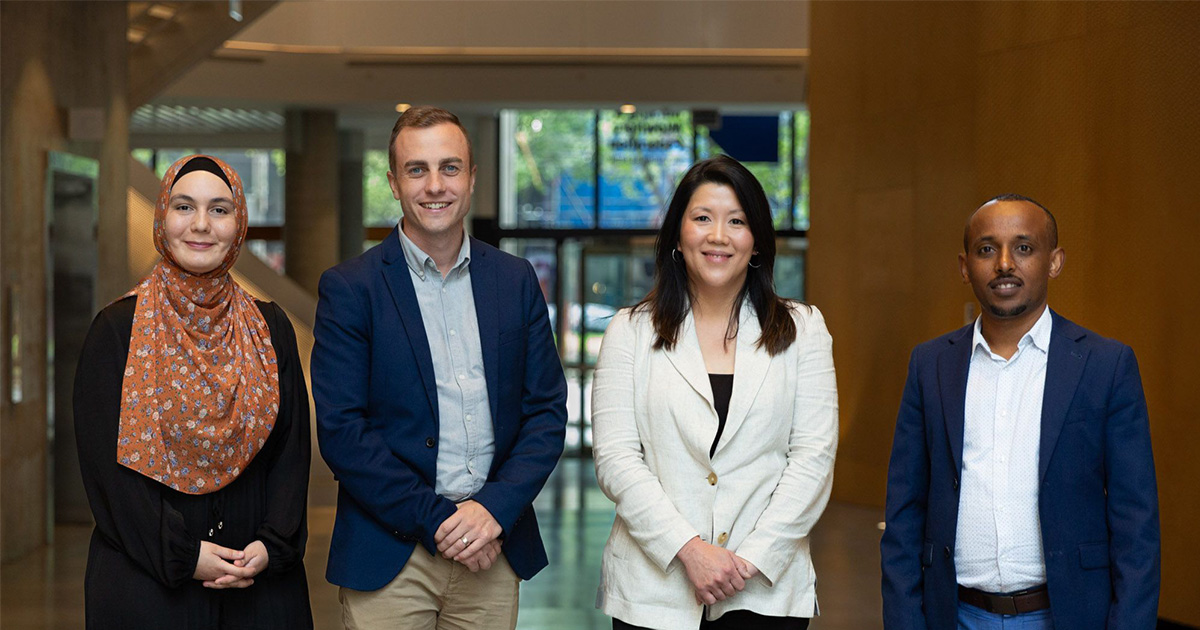
A leading tuberculosis researcher from The Kids Research Institute Australia and Curtin University has been named a finalist for the Association of Australian Medical Research Institutes (AAMRI) 2024 Rising Star Award.
Country-level estimates can mask local geographic variations in progress toward achieving World Health Organization's End TB targets. This study aimed to identify spatial variations in progress toward achieving the TB incidence reduction target at a district level in Ethiopia.
Tuberculosis (TB) is the leading infectious cause of death globally, with approximately three million cases remaining undetected, thereby contributing to community transmission. Understanding the spatial distribution of undetected TB in high-burden settings is critical for designing and implementing geographically targeted interventions for early detection and control.
Globally, tuberculosis (TB) is the leading infectious cause of morbidity and mortality, with the risk of infection affected by both individual and ecological-level factors. While systematic reviews on individual-level factors exist, there are currently limited studies examining ecological-level factors associated with TB incidence and mortality. This study was conducted to identify ecological factors associated with TB incidence and mortality.
BCG vaccination and revaccination are increasingly being considered for the protection of adolescents and adults against tuberculosis and, more broadly, for the off-target protective immunological effects against other infectious and noninfectious diseases. Within an international randomized controlled trial of BCG vaccination in healthcare workers (the BRACE trial), we evaluated the incidence of local and serious adverse events, as well as the impact of previous BCG vaccination on local injection site reactions (BCG revaccination).
Bacille Calmette-Guérin (BCG) is the most commonly administered vaccine in human history. The medical application of BCG extends far beyond the fight against tuberculosis. Despite its stellar medical record over 100 years, insight into how BCG provides this vast range of benefits is largely limited, both for its pathogen-specific (tuberculosis) as well as pathogen-agnostic (other infections, autoimmunity, allergies, and cancer) effects.