
Search
Eight The Kids Research Institute Australia-led projects will benefit from the latest round of WA Child Research Fund (WACRF) grants, announced this week by Medical Research Minister Stephen Dawson.
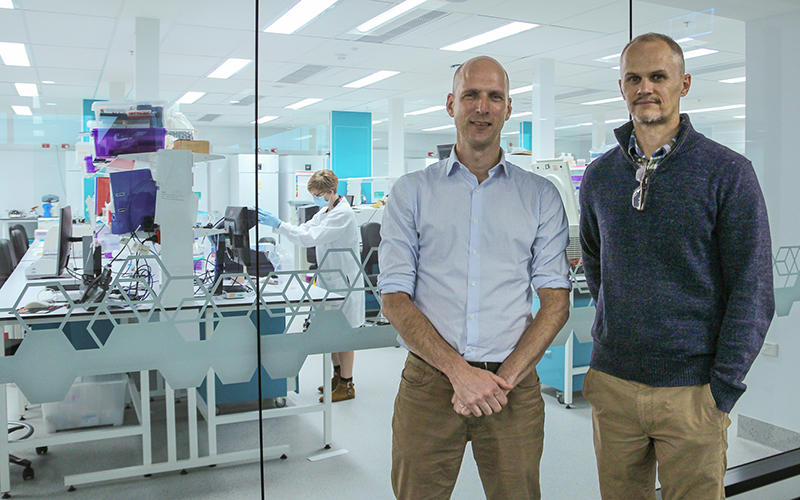
Researchers at The Kids Research Institute Australia and UWA will use a $500,000 CUREator grant to progress the development of the first cancer immunotherapy in a tablet.
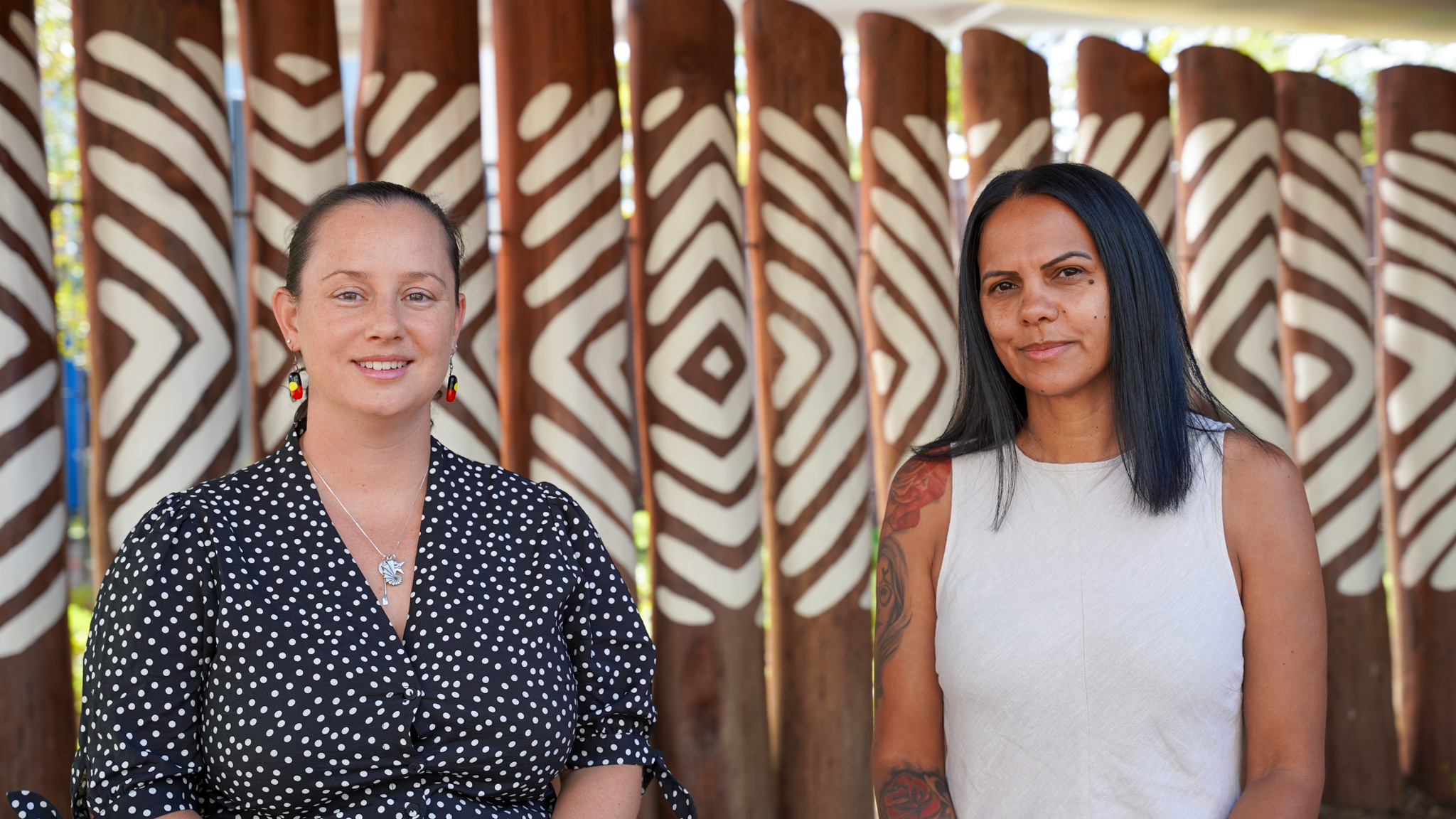
A first of its kind research program at The Kids Research Institute Australia aims to develop new strategies to better treat Aboriginal and Torres Strait Islander children with cancer.
Evidence suggests the involvement of the microbiota, including oral, intra-tumoral and gut, in pancreatic cancer progression and response to therapy. The gut microbiota modulates the bile acid pool and is associated with maintaining host physiology. Studies have shown that the bile acid/gut microbiota axis is dysregulated in pancreatic cancer.
Cereal-derived polyphenols have demonstrated protective mechanisms in colorectal cancer (CRC) models; however, confirmation in human studies is lacking. Therefore, this study examined the association between cereal polyphenol intakes and CRC risk in the Melbourne Collaborative Cohort Study (MCCS), a prospective cohort study in Melbourne, Australia that recruited participants between 1990 and 1994 to investigate diet-disease relationships.
This study asked consumers (patients, carers) and healthcare professionals (HCPs) to identify the most important symptoms for adults with cancer and potential treatment interventions.