
Search
Following the introduction of jurisdictional maternal pertussis vaccination programs in Australia, we estimated maternal vaccine effectiveness (VE) and whether maternal pertussis vaccination modified the effectiveness of the first 3 primary doses of pertussis-containing vaccines.
Vaccination in pregnancy is the best strategy to reduce complications from influenza or pertussis infection in infants who are too young to be protected directly from vaccination. Pregnant women are also at risk of influenza complications preventable through antenatal vaccination. Both vaccines are funded under the National Immunisation Program for pregnant women in Australia, but coverage is not routinely reported nationally.
We assessed the impact of maternally derived pertussis antibodies on infant responses to a 2 + 1 vaccine schedule (6 weeks, 12 weeks, and 12 months). Infants with baseline antibodies showed lower IgG responses following the primary vaccination series, but this did not impair booster responses at 4 years of age.
This phase III study evaluated safety, tolerability, and immunogenicity of V114 (15-valent pneumococcal conjugate vaccine) in healthy infants. V114 contains all 13 serotypes in PCV13 and additional serotypes 22F and 33F.
Previous Australian studies have shown that delayed vaccination with each of the three primary doses of diphtheria-tetanus-pertussis-containing vaccines (DTP) is up to 50 % in certain subpopulations. We estimated the excess burden of pertussis that might have been prevented if (i) all primary doses and (ii) each dose was given on time.
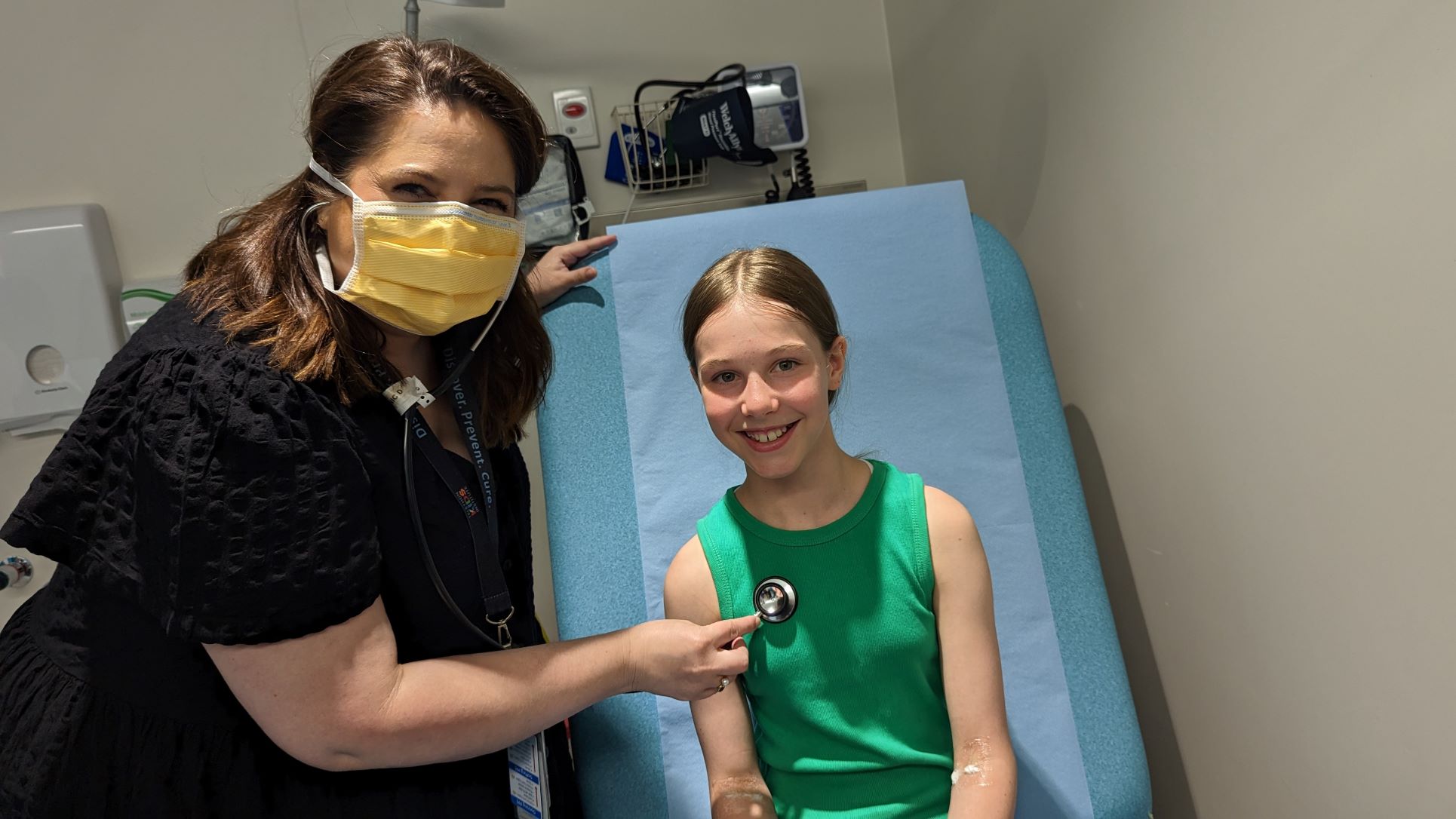
Tiny babies could soon have much-needed protection from community transmission of potentially deadly whooping cough thanks to a world-first nasal spray vaccine being trialed at The Kids Research Institute Australia.
New collaborative research involving almost 600,000 pregnant mothers has demonstrated a dramatic increase in uptake of the whooping cough (pertussis) vaccine after identifying just 22 per cent of WA women had the maternal vaccination between 2012 – 2017.
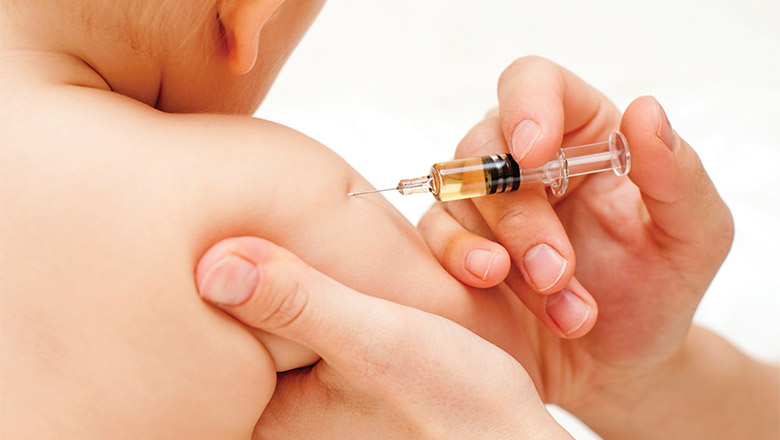
Toddlers will now get an additional whooping cough vaccine to protect them against the potentially deadly disease.

An extra whooping cough vaccination for babies comes as a result of work by researchers at the Wesfarmers Centre of Vaccines and Infectious Diseases.

Research by The Kids Research Institute Australia will soon ensure young children are better protected against whooping cough.