
Search
Vancomycin is used to treat serious gram-positive infections in children; however, effective dosing information for those aged 3 months to 18 years is limited. We aimed to determine an optimized dosing strategy for this age group.

We will leverage the unique Western Australian data linkage resources to undertake the definitive twin and sibling study of infection-related hospitalisation
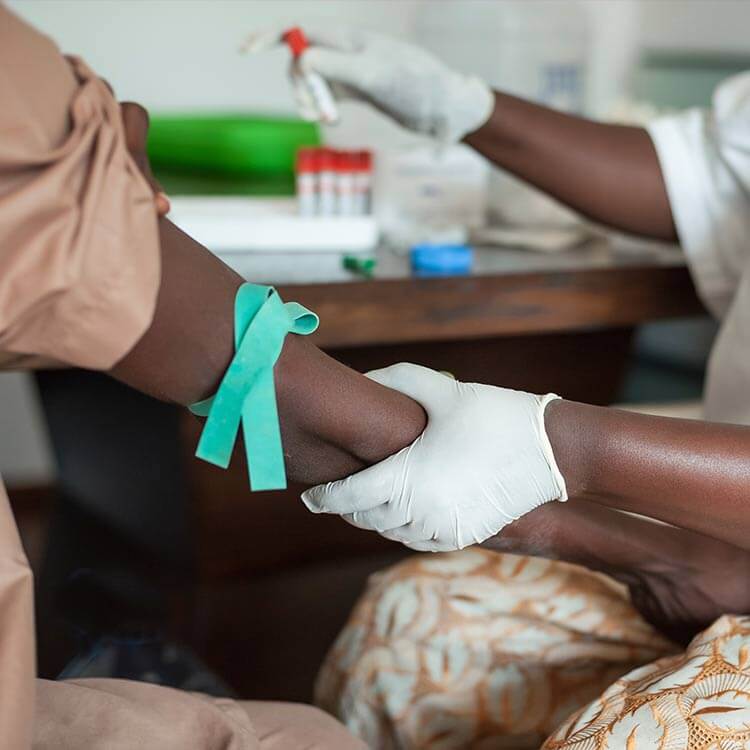
This study investigated host gene expression in response to new HIV infection.
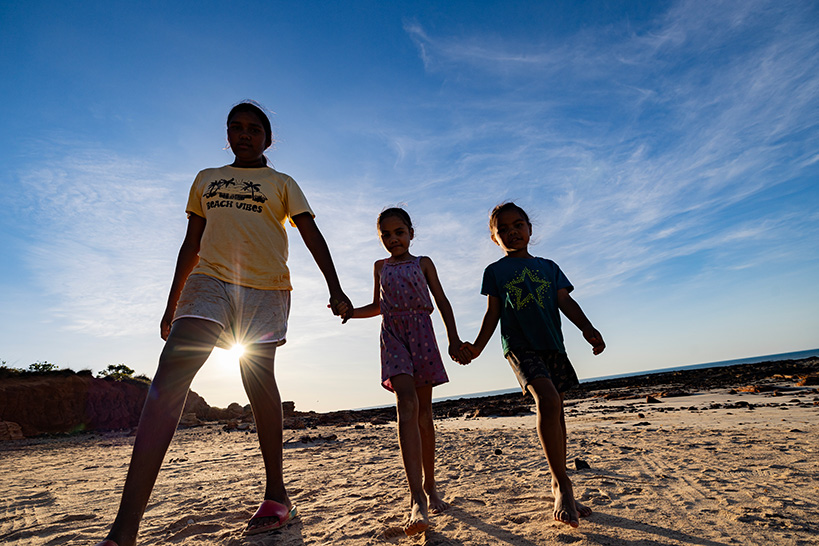
Aboriginal health is everyone's business. The needs of Aboriginal and Torres Strait Islander families and kids is integrated into all relevant areas of our work. Improving the health and wellbeing of Aboriginal and Torres Strait Islander kids and families is an overarching priority for every team at The Kids.
Since their first detection in 2010, Plasmodium falciparum malaria parasites lacking the P. falciparum histidine-rich protein 2 gene (pfhrp2) have been observed in 40 of 47 surveyed countries, as documented by the World Health Organization. These genetic deletions reduce detection by the most widely used rapid diagnostic tests, prompting three countries to switch to alternative diagnostics.
Inadequate housing and living conditions underpin significant health and wellbeing inequality in Australia, particularly for Indigenous people. This review aimed to define infectious disease (ID) outcomes used to measure the health impact of inadequate housing in Australia within a research context.
Monkeypox virus (MPXV) has been linked to vertical transmission, but systematic data are scarce. We aimed to describe the sociodemographic, clinical, and virological characteristics and assess the frequency and determinants of adverse outcomes in pregnant women with MPXV clade I infection.
Convalscent plasma (CP) was identified as a potential therapy for COVID-19 available early in the pandemic.
Maternal influenza and pertussis vaccination is an important strategy to reduce morbidity and mortality in infants. Previous vaccine safety studies have mostly focused on the association between maternal vaccination and fetal death.
To investigate the follow-up and outcomes of HIV-exposed infants in a setting of low HIV prevalence. This was a multicenter, retrospective study of live-born infants of women known to be living with HIV, at 9 tertiary pediatric centers in Australia and New Zealand from 2009-2025. Antenatal, perinatal, and postnatal data, and outcomes at clinic visits to 18 months of age were collected, including co-morbidities, development, and HIV results.