
Search
Nick Raelene Gottardo Endersby MBChB FRACP PhD BSc (Hons) PhD Co-Head, Brain Tumour Research team; Head of Oncology and Haematology, Perth Children’s
W. Joost Ben Lizeth Rachael Tao Omar Lesterhuis Wylie Orozco Morales Zemek Wang Elaskalani BSc PhD BSc, MSc, PhD BSc (Hons), PhD PhD BSc, MSc, PhD
Approximately 770 children are diagnosed with cancer in Australia every year. Research has explored their experiences and developed recommendations for improving support provided to families. These have included the provision of psychology services, improved communication between healthcare professionals and parents, and increased information for families.
An in-depth investigation of gene regulation and cell populations at sites of fetal blood-cell production provides clues as to why children with Down’s syndrome are predisposed to developing leukaemia.
Vincristine sulphate, a microtubule inhibitor, is used extensively in veterinary oncology for treating lymphoma. Neutropenia during multiagent protocols is a common reason for treatment delay and reduced dose intensity. This study evaluated toxicities associated with treating systemically well neutropenic lymphoma patients with vincristine.
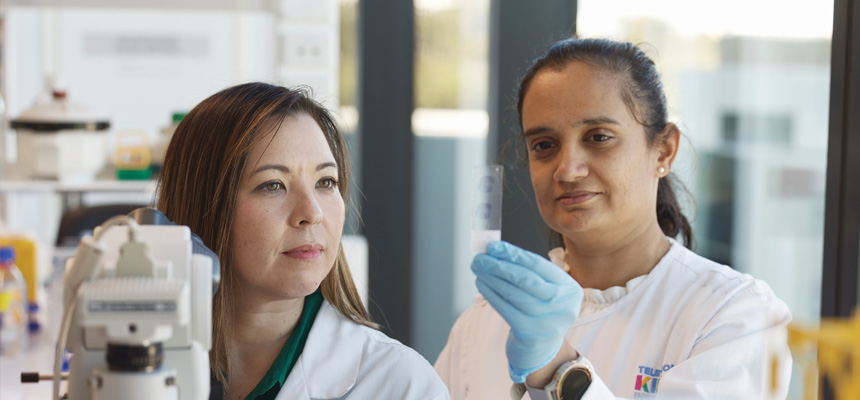
The WA Kids Cancer Centre has a suite of world-leading research projects to unlock new treatments for childhood cancers.
Leukaemia, also spelled leukemia, is a cancer that develops in the bone marrow and results in abnormal white blood cells. It is the most common cancer in children, accounting for almost a third of all childhood & teen cancers.
Each year, approximately 1000 children in Australia and New Zealand, aged 0–14 years, are diagnosed with cancer. Despite paediatric cancer accounting for less than 1% of all cancer cases, the impact on their families and communities is profound and disproportionate.
Pineal parenchymal tumors are rare neoplasms for which evidence-based treatment recommendations are lacking. These tumors vary in biology, clinical characteristics, and prognosis, requiring treatment that ranges from surgical resection alone to intensive multimodal antineoplastic therapy.
Our international team highlights issues with efficacy reports in several studies on DMG with the new drug ONC201.