
Search
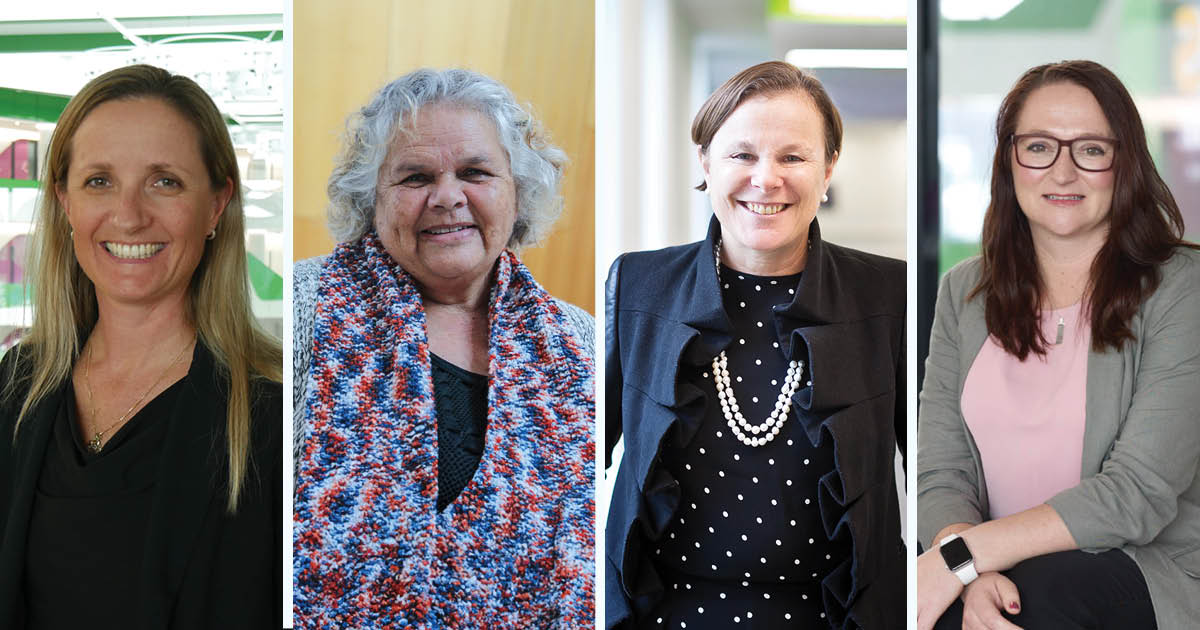
Four outstanding members of The Kids Research Institute Australia family – three researchers and an Aboriginal Elder co-researcher – have been named in the Australia Day Honours List for their outstanding service to research and the community.
This opinion article was originally published in the West Australian on July 20, 2023.
A multi-disciplinary team of researchers will use more than 40 years of data to pinpoint crucial areas that could be “turning points” in development where intervention could contribute to closing the gap in Aboriginal health in Australia.
A large-scale study of the epigenetic landscape of Indigenous Australians could help tackle chronic diseases faced by Aboriginal and Torres Strait Islander people.

A project, lead by Aboriginal and Aboriginal LGBTQA+ researchers examining the mental health of young Aboriginal and Torres Strait Islander LGBTQA+ people, is launching a nation-wide survey, to help drive meaningful change for the community.
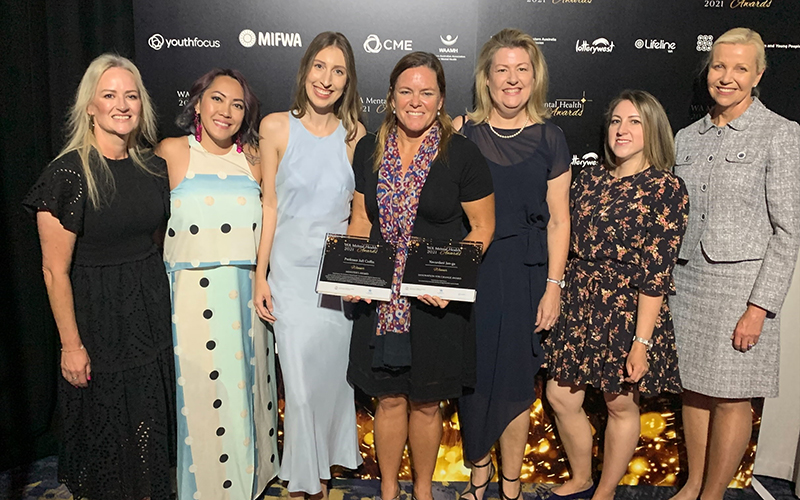
Outstanding Aboriginal mental health researcher Professor Juli Coffin has taken out top honours at the 2021 Western Australian Mental Health Awards in recognition of her ground-breaking work to enhance Aboriginal social and emotional wellbeing.
The aim of this study was to compare dental hospital admissions in a total state birth population of Indigenous and non-Indigenous children aged under five...
The pattern of association between socioeconomic factors and health outcomes has primarily depicted better health for those who are higher in the social...
Streptococcus pneumoniae, Moraxella catarrhalis, and nontypeable Haemophilus influenzae is associated with otitis media
In Australia and many other developed countries, acute lower respiratory infection (ALRI) is one of the most common reasons for hospitalisation in young...