Skip to content

Search

Stillbirth risk prediction using machine learning for a large cohort of births from Western Australia, 1980–2015

Almost half of stillbirths could be potentially identified antenatally based on a combination of factors

Psychosocial disadvantage and residential remoteness is associated with Aboriginal women's mental health prior to childbirth

Optimal mental health in the pre-conception, pregnancy and postpartum periods is important for both maternal and infant wellbeing. Few studies, however, have focused on Indigenous women and the specific risk and protective factors that may prompt vulnerability to perinatal mental disorders in this culturally diverse population.

Caregiver-perceived racial discrimination is associated with diverse mental health outcomes in Aboriginal and Torres Strait Islander children aged 7-12 years

Exposure to racial discrimination in Aboriginal children increased the risk for a spectrum of interrelated factors linked to negative mental health

Does Child Care in the First Year of Life Pose a Risk for Concurrent and Future Ear Infections?

The longitudinal analyses found no evidence of increased (or decreased) long-term risk of ear infections in subsequent waves associated with attending a child care centre

The Contribution of Geogenic Particulate Matter to Lung Disease in Indigenous Children

The aim of this study was to assess the relationship between dust levels and health in Indigenous children in Western Australia

Trends and predictors of extreme preterm birth: Western Australian population-based cohort study

First study to show that the increase in extreme preterm birth in high-income jurisdiction is no longer evident after medical terminations and birth defects are excluded

Exploring factors impacting early childhood health among Aboriginal and Torres Strait Islander families and communities

The impact of perinatal outcomes, maternal social and health outcomes and level of culturally secure service availability on the health outcomes of Western Australian Aboriginal infants and children

The rationale for action to end new cases of rheumatic heart disease in Australia

The choice of RHD is telling: the disease is a marker of inequality, a novel lens for considering health systems and a feasible target for disease control.

Hospital use in Aboriginal and non-Aboriginal patients with chronic disease

Aboriginal people use health services in a different manner when compared to non-Aboriginal people

The impact of racial discrimination on the health of Australian Indigenous children aged 5–10 years: analysis of national longitudinal data

Direct and persistent vicarious racial discrimination are detrimental to the physical and mental health of Indigenous children in Australia

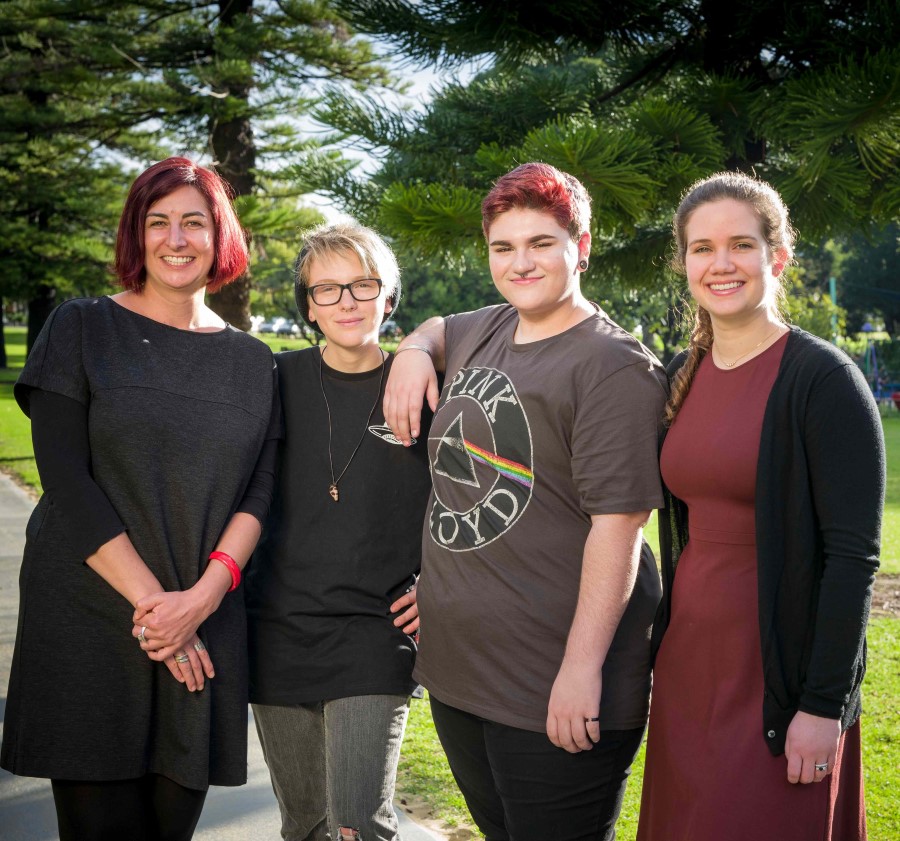
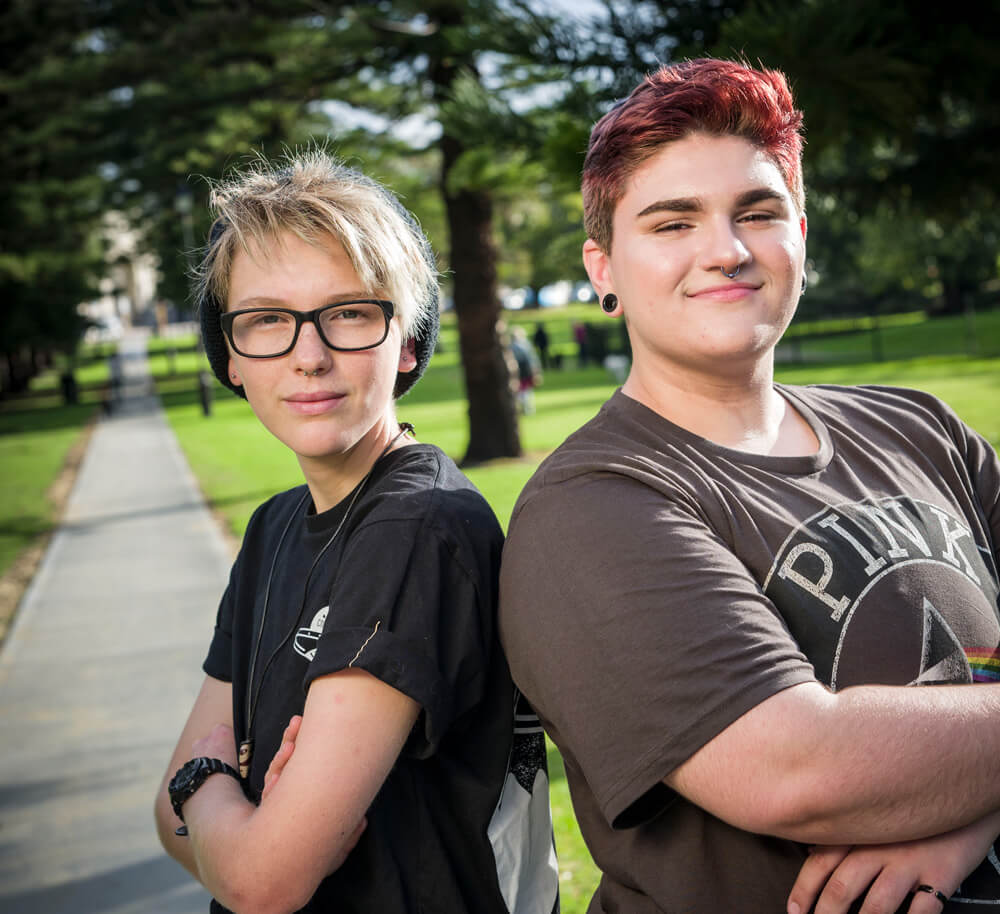
Trans Pathways breaks down barriers for Trans Youth

When Trans Pathways ambassador Drew, 17, came out as trans three years ago, the biggest hurdle for him was the availability of services and the time it took to access support.
My child is trans – how do I support them?

Raising a child in one gender and then having them identify as another at any stage in their life can be difficult for a parent to understand and is not always an easy shift for a parent to make.

Sexuality and Gender Diversity Among Adolescents in Australia, 2019-2021

Sexuality- and gender-diverse (SGD) young people experience substantial health disparities relative to cisgender heterosexual peers. Little is known about SGD adolescents younger than 15 years.

Affirming schools, population-level data, and holistic public health are key to addressing mental ill-health and substance use disparities among gender and sexuality diverse young people

Yael Perry BPsych (Hons) MPsych (Clin) PhD Head, Youth Mental Health 08 6319 1298 yael.perry@thekids.org.au Head, Youth Mental Health @yaelperry she/

An Exploration of LGBTQA+ Young People’s Coping Strategies When Navigating Suicidal Thoughts and Behaviors

LGBTQA+ young people experience suicidal thoughts and behaviors at a much greater rate than their heterosexual and cisgender peers. This study explored firsthand accounts of the coping strategies employed by LGBTQA+ young people when experiencing suicidal thoughts and behaviors.

A critical discussion of pediatric gender measures to clarify the utility and purpose of “measuring” gender

Pediatric gender clinics and researchers commonly use scales to measure different dimensions of gender (e.g. identity, dysphoria, satisfaction). There has been little investigation into the relevance and consumer acceptability of these scales within contemporary understandings and experiences of gender. 

Prevalence, distribution, and inequitable co-occurrence of mental ill-health and substance use among gender and sexuality diverse young people in Australia: epidemiological findings from a population-based cohort study

To estimate the prevalence, distribution, and co-occurrence of mental ill-health and substance use among gender and sexuality diverse young people relative to their cisgender and heterosexual peers in Australia using population-level, nationally representative data.

Barriers and facilitators to mental health treatment access and engagement for LGBTQA+ people with psychosis: a scoping review protocol

The prevalence of psychosis has been shown to be disproportionately high amongst sexual and gender minority individuals. However, there is currently little consideration of the unique needs of this population in mental health treatment, with LGBTQA+ individuals facing barriers in accessing timely and non-stigmatising support for psychotic experiences. 

A Pilot Group Program for Parents of Trans Young People at a Specialized Pediatric Gender Diversity Service

Parental support is strongly associated with protective factors across a range of child health outcomes for trans young people. Commonly, parents report barriers to supporting their child such as lack of understanding and difficulty in accessing information and support regarding gender diversity.

It’s time for change: inequities and determinants of health-related quality of life among gender and sexually diverse young people in Australia

This study was guided by three research aims: firstly, to examine the longitudinal trends of health-related quality of life (HR-QoL) among gender and sexuality diverse (LGBTQA2S+) young people through adolescence (ages 14-19); secondly, to assess longitudinal associations between poor mental health and HR-QoL among LGBTQA2S+ young people through adolescence; and thirdly, to examine differences in HR-QoL among LGBTQA2S+ young people during early adolescence (ages 14 and 15) depending on select school-, peer-, and parent-level factors.