
Search
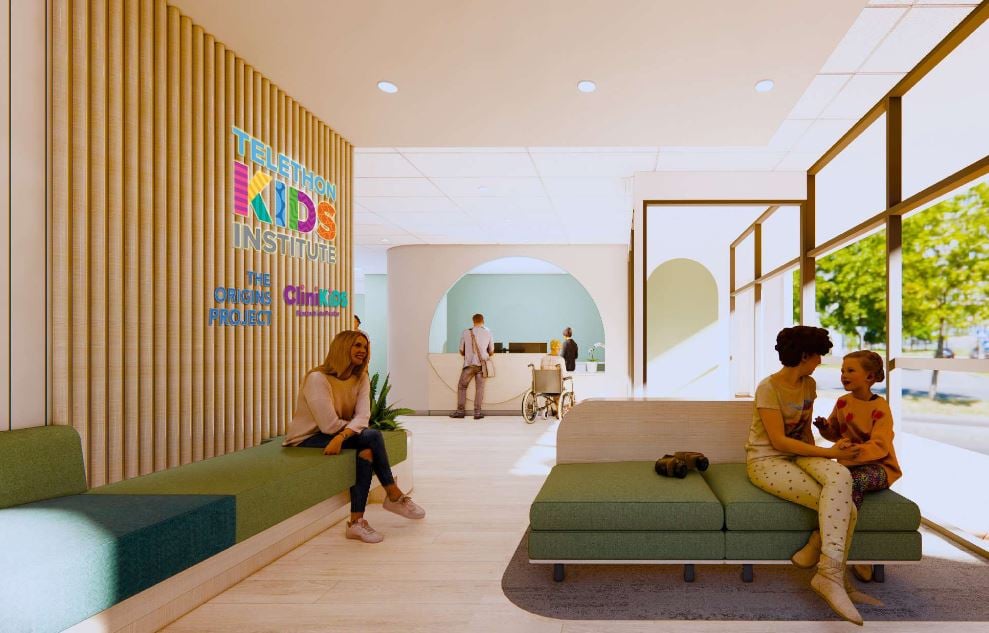
CliniKids’ new clinic in the Joondalup area is coming along nicely and is on track to open around the middle of the year.
April is Autism Month and to mark the occasion, we’re transforming our reception desk in the clinic to an AMAZING wall for our families to contribute to.
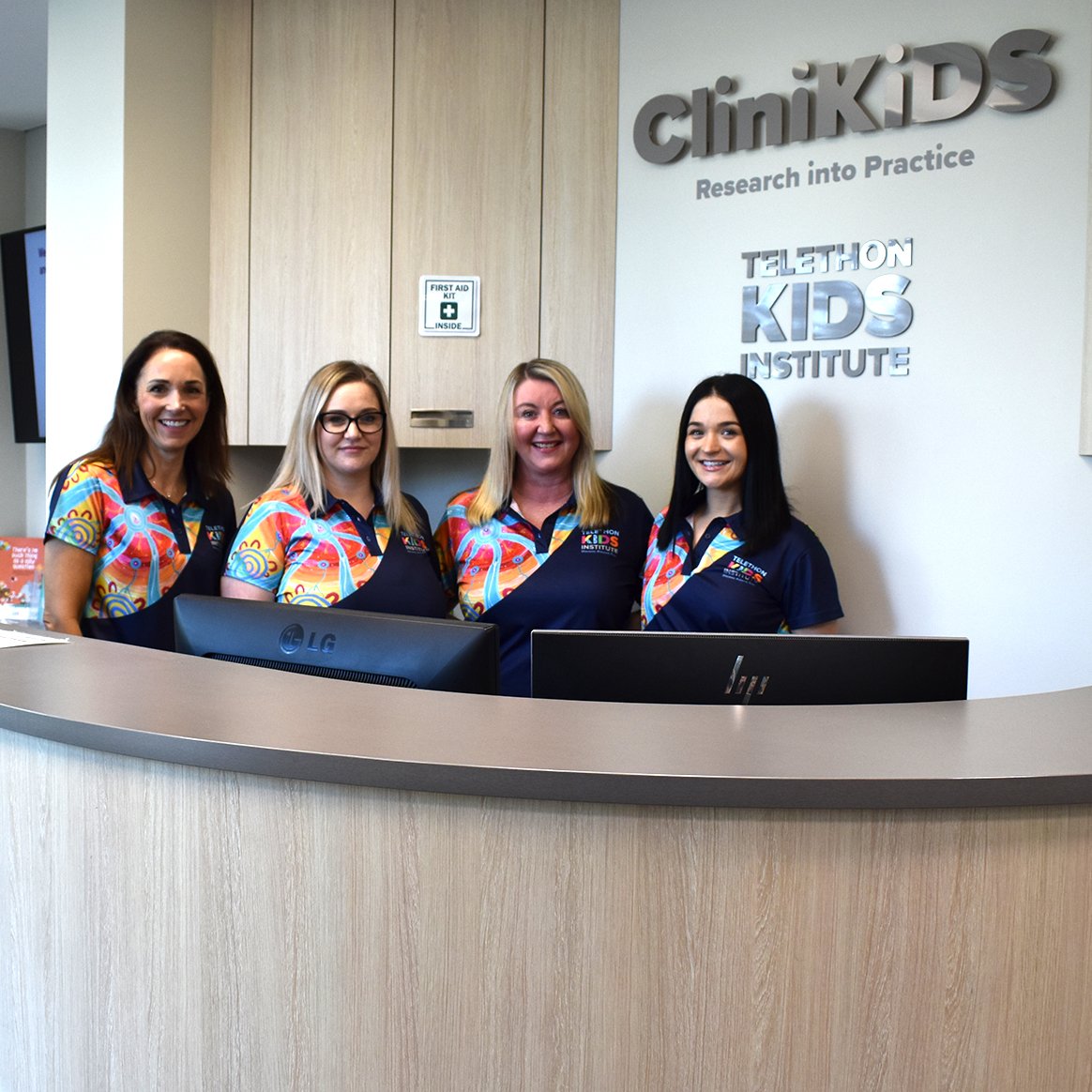
Nicki, Leah, Tracy, and Amy make up our wonderful Client Support team at CliniKids. The team was established in mid-2021 as services began to grow.
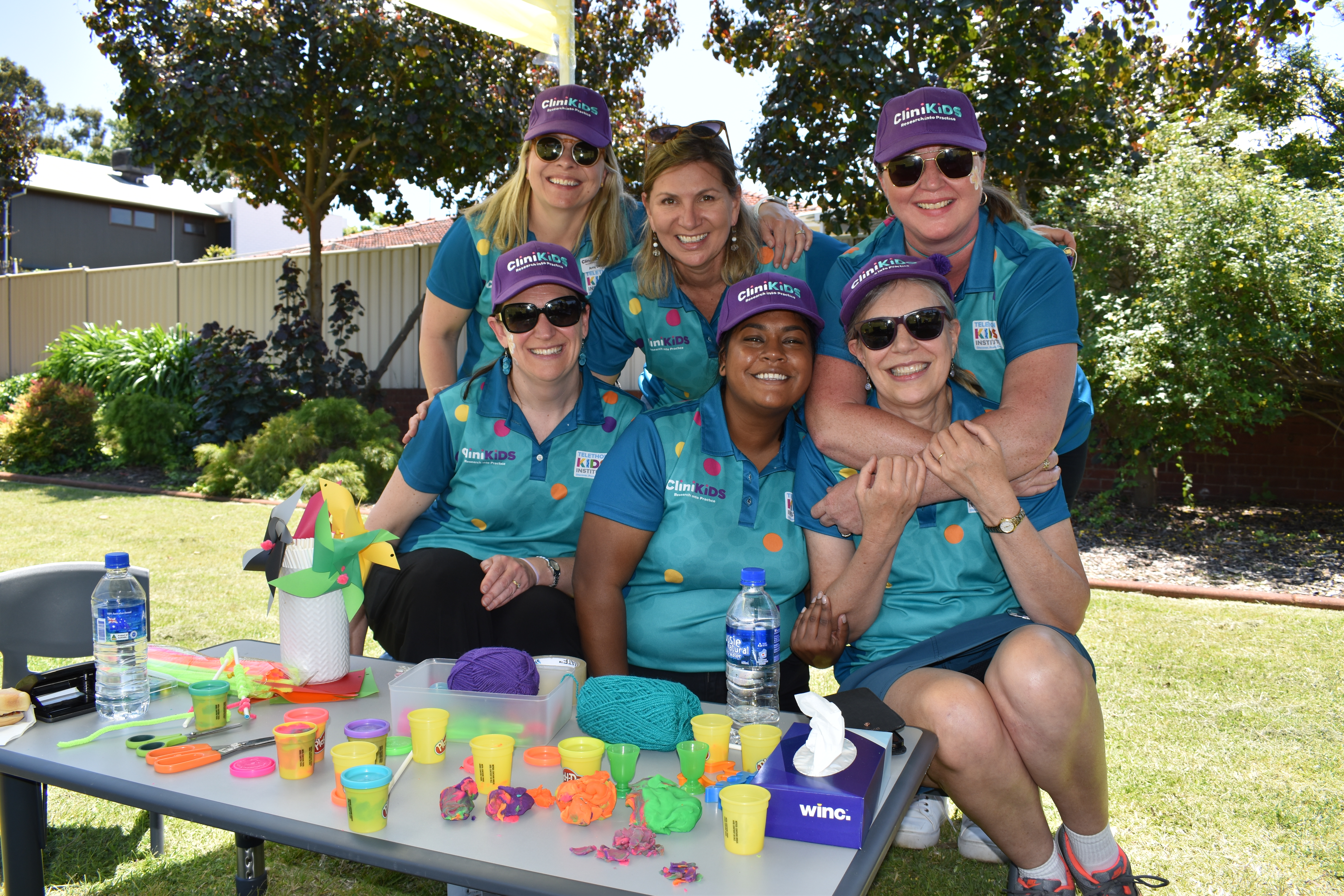
CliniKids held its inaugural Frangipani Family Day recently – an event organised to honour the wonderful contribution of its much loved and dearly missed colleague, the late Kate Sorensen.
The Client Support Team at CliniKids has some new faces! Nicki and Amy join our lovely Tracy.
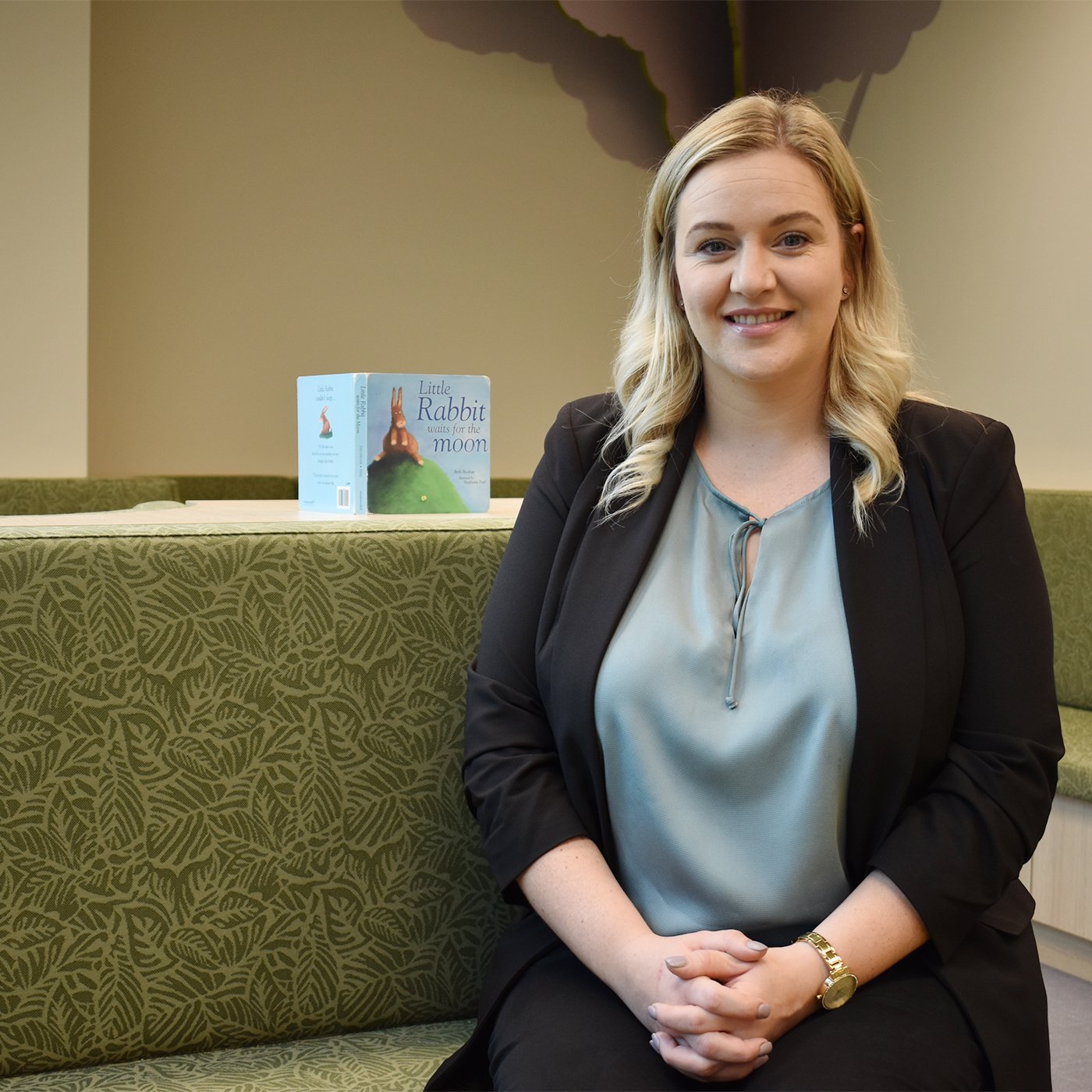
Meet Leah – the latest addition to the CliniKids team. We asked Leah, our new Operations Manager, a couple of questions to get to know her.
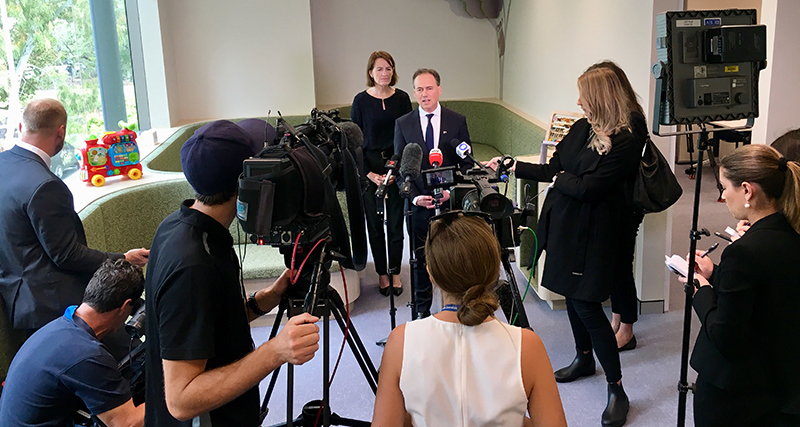
Western Australian babies and children with autism and developmental delay will be able to access world-first therapies and interventions backed by the latest research, thanks a unique clinical service developed by The Kids Research Institute Australia.
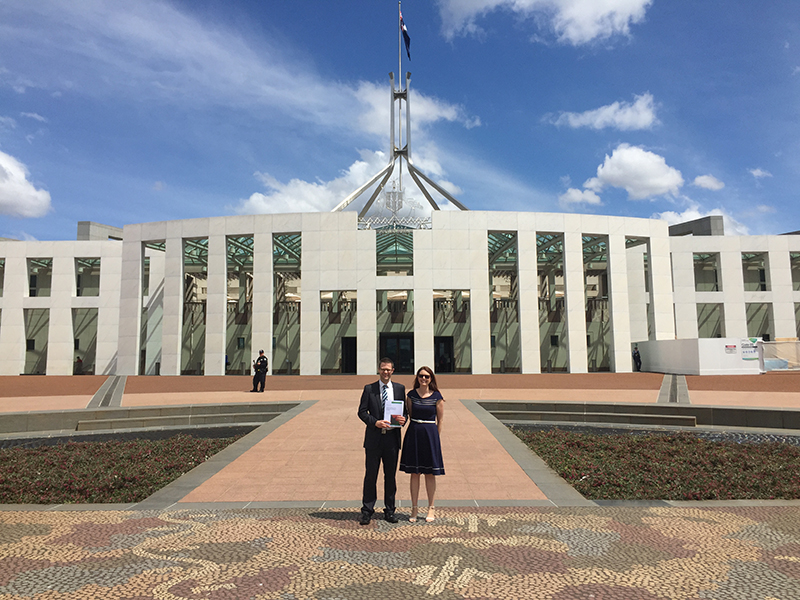
Researchers from The Kids Research Institute Australia, working with the Autism CRC, have led the development of the National Guideline for the Assessment and Diagnosis of Autism Spectrum Disorder in Australia which was launched today.
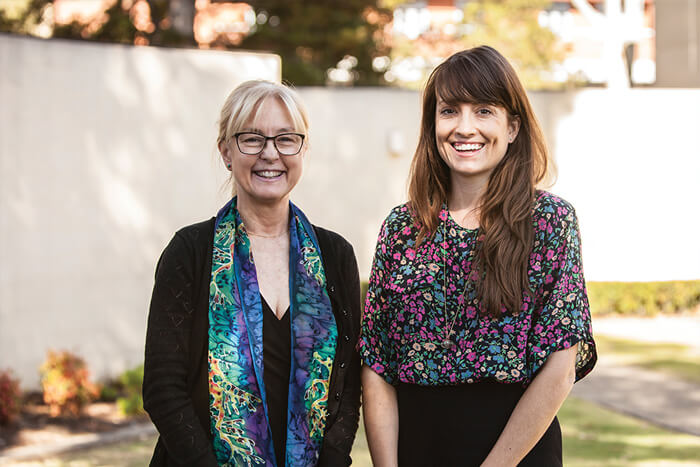
If there’s one thing modern researchers and health professionals now understand, it’s that for so many diseases and conditions affecting children and adolescents, early intervention is crucial.
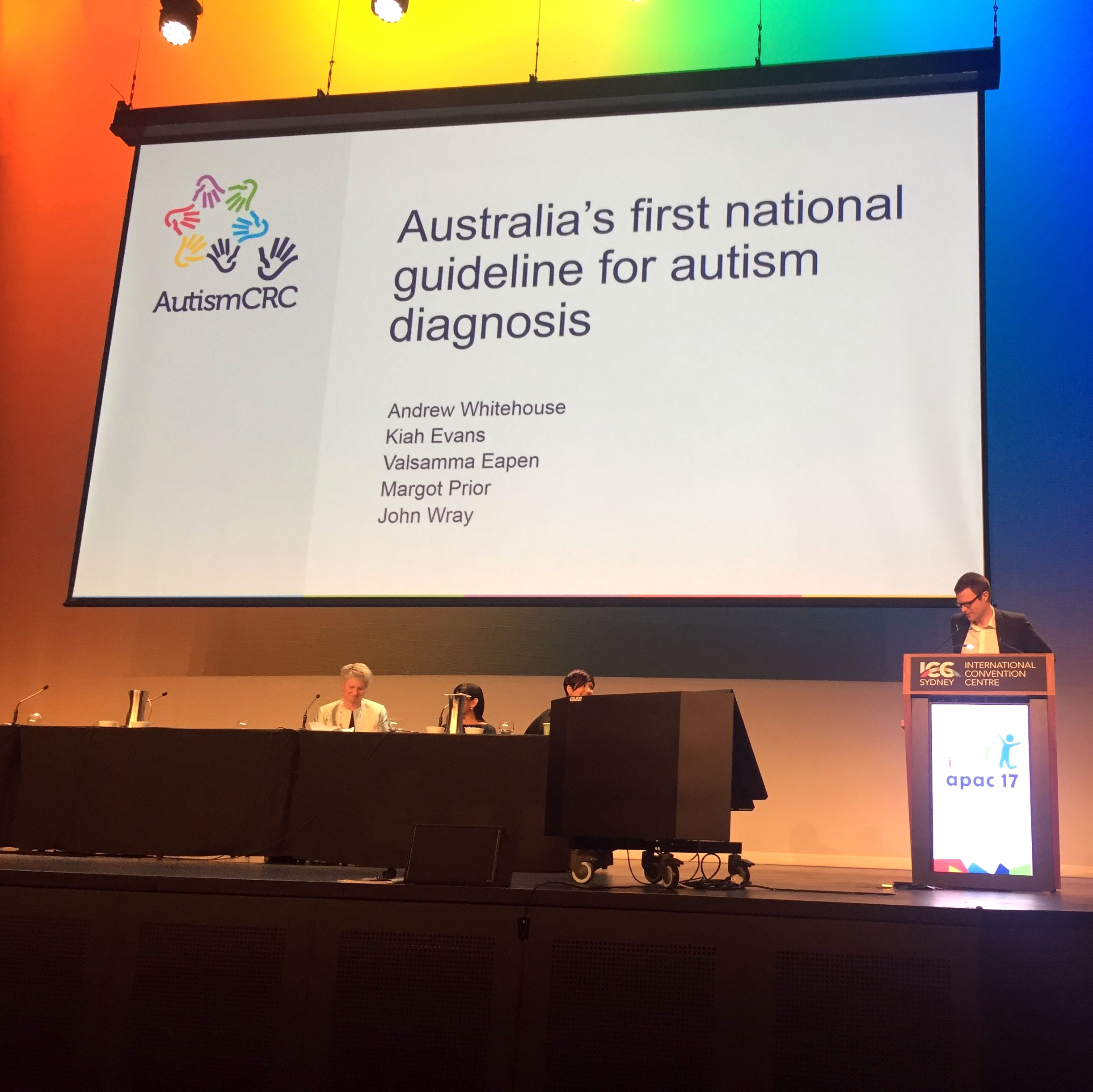
Australia’s first draft national guideline for autism diagnosis has today been released for public consultation.