
Search
Citation: Skinner T, Brown A, Teixeira-Pinto A, et al. Sensitivity and specificity of Aboriginal-developed items to supplement the adapted PHQ-9
This meta-analytic study examined the associations between childhood emotional abuse (CEA) history in adults and eleven emotion regulation abilities. Inclusion criteria were the use of validated and reliable multi-item measures, cross-sectional Pearson's correlation coefficient(s), and retrievable in English.
Childhood emotional abuse (CEA) has been linked to response-focused emotion regulation in adulthood. However, the underlying mechanisms remain unexplored. This pre-registered study examined whether shame mediates the association between CEA history and aversive cognitive perseveration (ACP), including brooding rumination, experiential avoidance and emotional non-acceptance, in adulthood.
Emotional labour has long been associated with personal and organizational outcomes such as burnout. However, theoretically dichotomising regulation into surface and deep acting may constrain the ecological validity of research as iterative and person-centered approaches to emotion regulation are not considered. Furthermore, recent research suggests self-compassion and experience may predict emotional labour regulation in psychologists, but specific mechanisms accounting for this relationship are unknown.
Physical activity can support physical and mental health among children living with chronic health conditions; however, programmes must be tailored to their specific needs to support participation.
The potential implementation of early type 1 diabetes (T1D) detection pathways, encompassing autoantibody screening and longitudinal monitoring, raises important psychosocial considerations for ethical, person-centred care. This review summarises evidence on the psychosocial impact of early T1D detection, identifying key evidence gaps and recommendations for integrating psychosocial support.
The developing hippocampus is particularly sensitive to early environmental influences, including during pregnancy. This longitudinal neuroimaging study examined associations between prenatal maternal physical activity and depression, maternal education, and hippocampal development from early childhood to early adolescence.

Dr Vincent Mancini, a Senior Research Fellow at The Kids Research Institute Australia, has been awarded a prestigious three-year Fellowship to develop and implement an intervention to support the welfare of regional WA fathers and families in the neonatal intensive care unit (NICU).
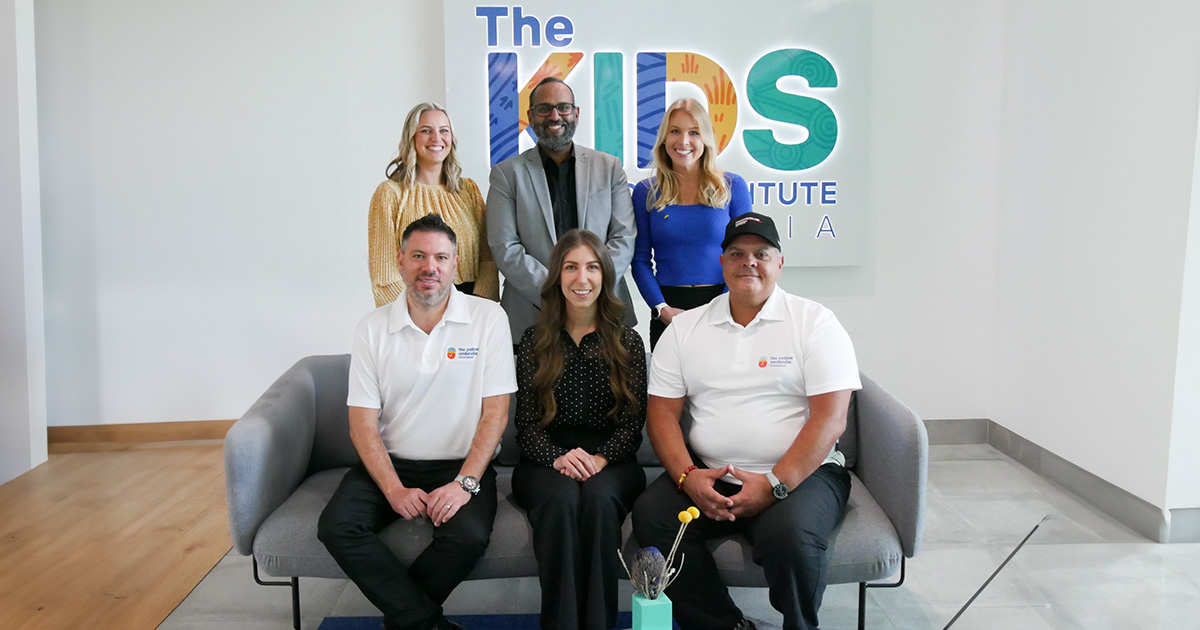
The Kids Research Institute Australia is deeply grateful to The Yellow Umbrella Foundation for their generous gift of $38,453 to help fund a new mental health initiative for parents and caregivers of children living with intellectual disability.

The Kids Research Institute Australia warmly welcomes youth mental health researcher Associate Professor Kathryn Modecki.