
Search
Normal in utero lung development and growth rely upon the expansion of airspaces and the controlled efflux of lung liquid into the amniotic space. Infants with congenital diaphragmatic hernia (CDH) also have lung hypoplasia due to occupation of the chest cavity by the stomach and bowel and, in the most severe cases, the liver. Balloon tracheal occlusion reduces the severity of lung hypoplasia in fetuses with CDH but increases the risk of premature birth.
Jane Pillow BMedSci (Dist) MBBS, PhD (Dist) FRACP Head, Developmental Chronobiology jane.pillow@thekids.org.au Head, Developmental Chronobiology
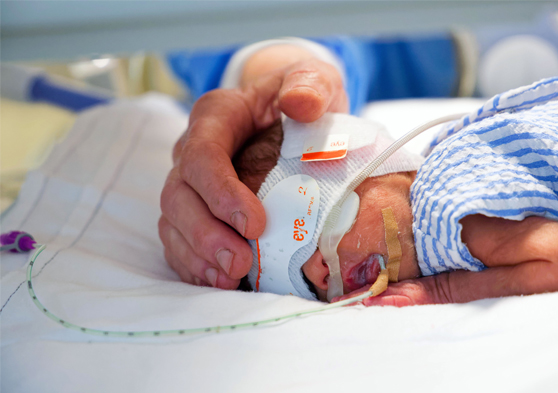
The CIRCA DIEM Study is a clinical research study being coordinated by the Chronobiology Team at The Kids Research Institute Australia, who are based in Perth, Western Australia and involving research teams from around the world.
The CIRCA DIEM Study is a multicentre study, involving several different hospital sites across Australia. Here, you can find out more about which hospitals recruit babies into the CIRCA DIEM Study.
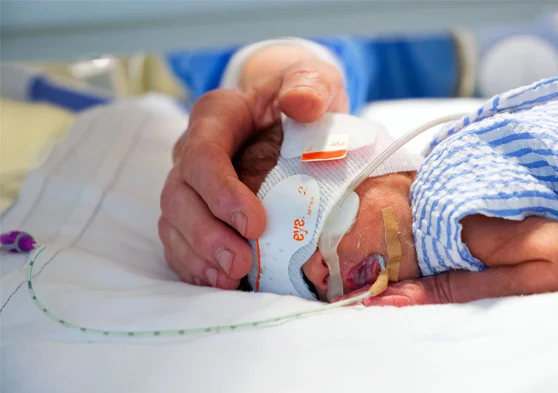
The Data Safety Monitoring Committee (DSMC) is an independent group of experts that oversees participant safety and the integrity of the CIRCA DIEM Study.
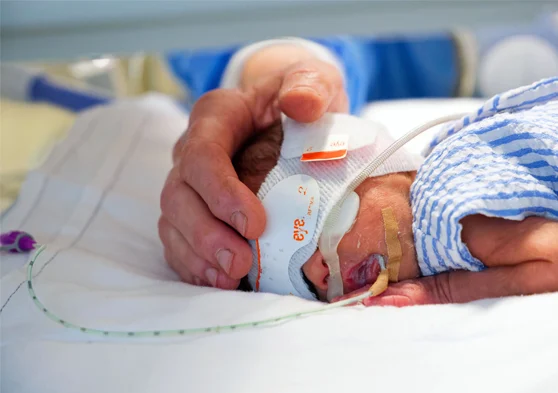
The CIRCA DIEM biobank is a unique collection of biological samples - such as blood, stool and saliva - collected from babies enrolled in the trial.
The CIRCA DIEM Study is a clinical research study being coordinated by the Chronobiology Team at Telethon Kids Institute, who are based in Perth, Western Australia and involving research teams from around the world.
Investigators: Andrew Gill External collaborators: Assoc Prof David Tingay (Murdoch Children's Research Institute) The POLAR trial is an MRFF-funded
A previous systematic review showed that intramuscular vitamin A supplementation reduced the risk of bronchopulmonary dysplasia (BPD) in very-low-birth-weight (VLBW) infants. However, more recent studies have questioned this finding.
Vitamin A has anti-inflammatory and immune-modulating properties. We aimed to assess whether enteral water-soluble vitamin A supplementation in extremely preterm infants decreases fecal calprotectin, a marker of intestinal inflammation.