
Search
Access and adherence to cardiac rehabilitation (CR) remain suboptimal, particularly in rural and remote settings. This study evaluated the implementation of person-centred, evidence-based CR delivery model tailored to improve access and completion.
The Model of Care supports the health of women and their babies with cardiometabolic complications of pregnancy and aids in the prevention and management of cardiometabolic disease in the short and long-term. It was co-designed by Aboriginal women with lived experiences of cardiometabolic complications in pregnancy.
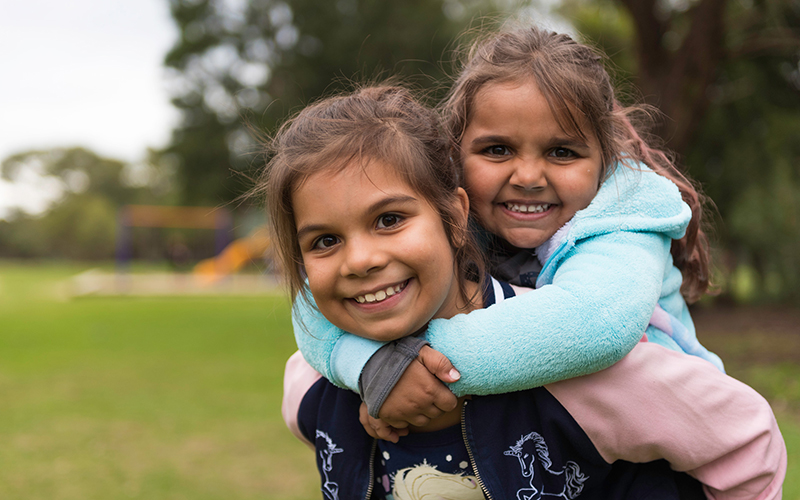
A new national network will be established to advance the benefits from Genomic Medicine for Aboriginal and Torres Strait Islander people living in Australia.
Access to adequate nutrition is a human right. In 2023, 23% of Australian households were severely food insecure, reducing food intake, skipping meals or days of eating. Food insecurity in early childhood is linked to poor health and development. Specifically, breakfast provides children with the necessary nutrients required for sustained attention, memory, and cognitive growth. Australian research has reported that one in three children aged 8–18 years regularly skip breakfast. However, there is little understanding of the prevalence of food insecurity among young children in Australia.
The relationship between ethnicity and mortality of patients critically ill with COVID-19 in Australia has not been described. Defining those communities at the highest risk of severe COVID-19 may assist with formulating effective public health policy and may improve the equitable delivery of health care in Australia.
Language development is critical for children's life chances. Promoting parent-child interactions is suggested as one mechanism to support language development in the early years. However, limited evidence exists for a causal effect of parent-child interactions on children's language development.
To describe Aboriginal and Torres Strait Islander communities' processes, positioning and experiences of health and medical research and their recommendations.
Dementia is a health priority for Indigenous peoples. Here, we reviewed studies on the prevalence of dementia or cognitive impairment among Indigenous populations from countries with a very high Human Development Index (≥0·8). Quality was assessed using the Joanna Briggs Institute risk-of-bias tool and CONSolIDated critERia for strengthening the reporting of health research involving Indigenous peoples (CONSIDER), with oversight provided by an Indigenous Advisory Board.
The first inhabitants of Australia and the traditional owners of Australian lands are the Aboriginal and Torres Strait Islander peoples. Aboriginal and Torres Strait Islander peoples are two to four times more likely to have systemic lupus erythematosus (SLE) than the general Australian population.
Cells undergo a major epigenome reconfiguration when reprogrammed to human induced pluripotent stem cells (hiPS cells). However, the epigenomes of hiPS cells and human embryonic stem (hES) cells differ significantly, which affects hiPS cell function. These differences include epigenetic memory and aberrations that emerge during reprogramming, for which the mechanisms remain unknown.