Skip to content
The Kids Research Institute Australia logo
Donate

No results yet

Search

Research

Measures of Early-life Behavior and Later Psychopathology in the LifeCycle Project-EU Child Cohort Network: A Cohort Description

The EU LifeCycle Project was launched in 2017 to combine, harmonize, and analyze data from more than 250,000 participants across Europe and Australia, involving cohorts participating in the EU-funded LifeCycle Project. The purpose of this cohort description is to provide a detailed overview of the major measures within mental health domains that are available in 17 European and Australian cohorts participating in the LifeCycle Project.

Research

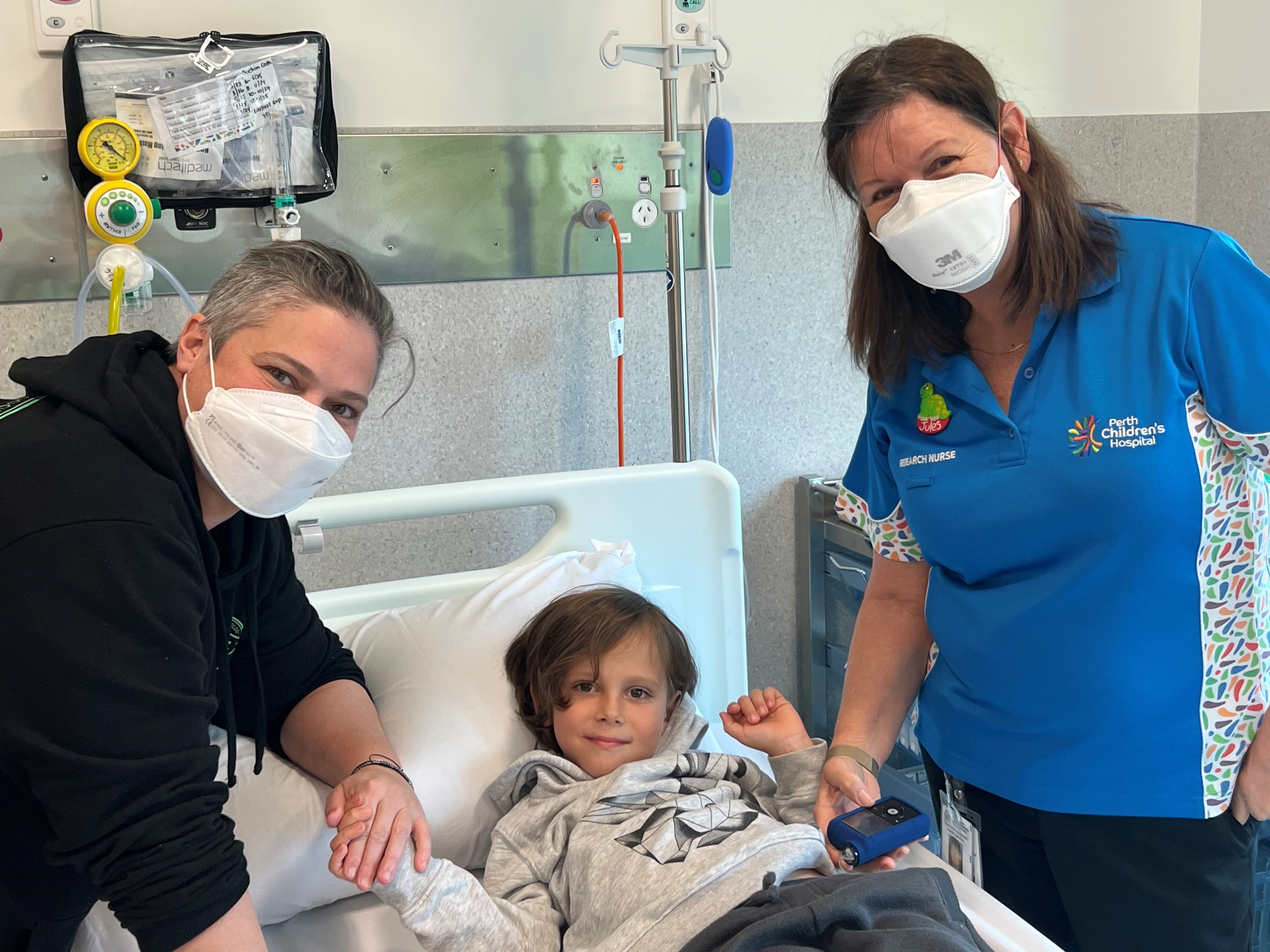
Efficacy of the MiniMed™ 670G hybrid closed loop system in managing postprandial glucose excursion with high protein high fat foods in children and adolescents under free-living conditions

High protein high fat meals are considered “difficult” foods because they can cause prolonged hyperglycemia after ingestion. The potential of hybrid closed loop therapy in managing postprandial glucose excursions with these difficult foods remains unknown. This pilot study aimed to explore the impact of manual mode in standard insulin pump therapy and auto mode with hybrid closed loop pump therapy in managing glucose excursions caused by HPHF foods and to obtain feedback from families about each mode.

Research

Impact of Missing Data on the Accuracy of Glucose Metrics from Continuous Glucose Monitoring Assessed Over a 2-Week Period

To explore the impact of missing data on the accuracy of continuous glucose monitoring (CGM) metrics collected for a 2-week period in a clinical trial.

News & Events

Cholesterol and blood pressure drugs help teens with diabetes

The study involved screening young people to learn more about the development of long-term kidney, eye and cardiovascular complications in adolescents with T1D.

News & Events

'Artificial pancreas' helps ease diabetes burden

The Centre is currently involved in an international effort to develop revolutionary closed- loop 'artificial pancreas' technology. It is also leading a multi-centre Australian trial of these portable devices at home in young people with diabetes.

Research

Socioeconomic status and diabetes technology use in youth with type 1 diabetes: a comparison of two funding models

Technology use, including continuous glucose monitoring (CGM) and insulin pump therapy, is associated with improved outcomes in youth with type 1 diabetes (T1D). In 2017 CGM was universally funded for youth with T1D in Australia. In contrast, pump access is primarily accessed through private health insurance, self-funding or philanthropy.

Research

Parental experiences of using continuous glucose monitoring in their young children with early-stage type 1 diabetes: a qualitative interview study

To explore parents' experiences of using continuous glucose monitoring in their young children with early-stage type 1 diabetes, being followed in the Australian Environmental Determinants of Islet Autoimmunity (ENDIA) study.

Research

Results of an Australian trial of an automated insulin delivery (AID) system and other studies support likely benefit of AID use for many Australian adults with type 1 diabetes

Less than 20% of Australians with type 1 diabetes (T1D) meet recommended glucose targets. Technology use is associated with better glycaemia, with the most advanced being automated insulin delivery (AID) systems, which are now recommended as gold-standard T1D care. Our Australian AID trial shows a wide spectrum of adults with T1D can achieve recommended targets. Other studies, including lived experience data, are supportive. Insulin pumps are not subsidised for most Australian adults with T1D. We advocate change. 

Research

Following in Banting’s footsteps or straying from the path? Observations from contemporary diabetes innovation

While advancements in the treatment of diabetes continue to rapidly evolve, many of the newer technologies have financial barriers to care, opposing the egalitarian ethos of Banting who sold his patent on insulin for a nominal cost to allow it to be made widely available. Inequity in access to new therapies drives disparity in diabetes burden with potential for these gaps to widen in the future.

Research

Clinical Outcomes with MiniMedTM 780G Advanced Hybrid Closed-Loop Therapy in 2- to 6-Year-Old Children with Type 1 Diabetes

Advanced hybrid closed-loop (AHCL) therapy with the Medtronic MiniMed™ 780G system improves glycemia; however, the clinical outcomes in younger children remain less established. This pilot study aimed to explore the continuous glucose monitoring (CGM) metrics in very young children on AHCL. Children between 2 and 7 years of age and on insulin pump therapy were recruited.