
Search
This systematic review aimed to identify the most important social, environmental, biological, and/or genetic risk factors for intellectual disability.
This study investigated the influence of factors at birth and in infancy on the likelihood of achieving major motor milestones in CDKL5 Deficiency Disorder (CDD). Data on 350 individuals with a pathogenic CDKL5 variant was sourced from the International CDKL5 Disorder Database.
Family-based lifestyle interventions (FBLIs) are an important method for treating childhood weight problems. Despite being recognized as an effective intervention method, the optimal structure of these interventions for children’s overweight and obesity has yet to be determined.
Appropriate innate immune function is essential to limit pathogenesis and severity of severe lower respiratory infections (sLRI) during infancy, a leading cause of hospitalization and risk factor for subsequent asthma in this age group.
Mass drug administration (MDA) with monthly dihydroartemisinin-piperaquine (DHA-PQP) appears useful in malaria control and elimination strategies. Determining the relationship between consecutive piperaquine phosphate (PQP) exposure and its impact on QT interval prolongation is a key safety consideration for MDA campaigns.
Despite bearing a higher burden of osteoarthritis, little research has examined disparities in the access, utilisation and surgical outcomes associated with total joint replacement (TJR) among Aboriginal and Torres Strait Islander people.
Nine out of ten incarcerated youth examined by The Kids researchers as part of a ground-breaking study had some form of neuro-disability.
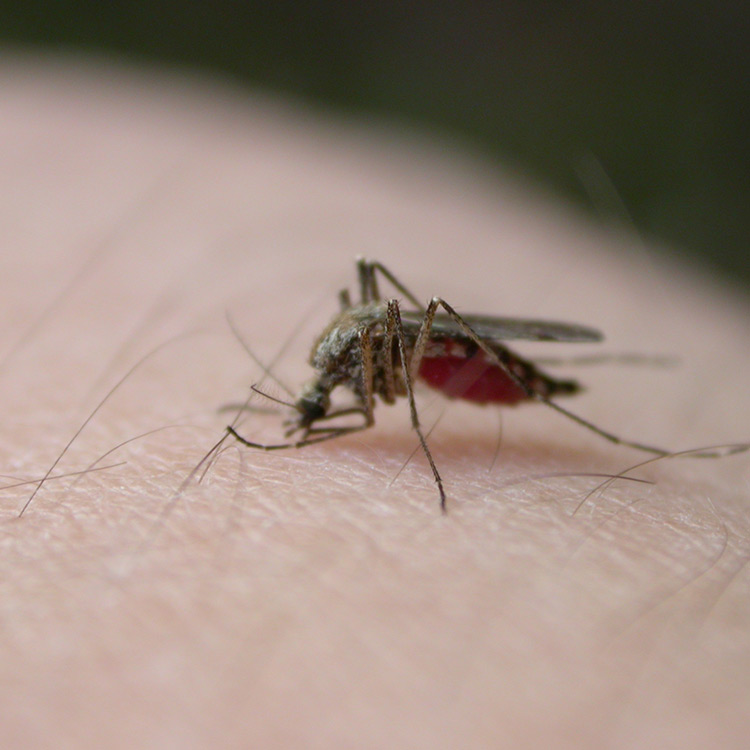
WA Researchers have conducted an Australian-first study to determine the prevalence of microcephaly, in preparation of any future outbreak of the Zika virus.
One of the most traumatic injuries a child can experience is a severe burn. Despite improvements in medical treatments which have led to better physical outcomes and reduced mortality rates for paediatric burns patients, the psychological impact associated with experiencing such a traumatic injury has mostly been overlooked. This is concerning given the high incidence of psychopathology amongst paediatric burn survivors.

The Kids Research Institute Australia researchers have confirmed that skin infections in many Aboriginal children across northern Western Australia are going unrecognised.