
Search
We aimed to assess the direct protective effect of 13 valent pneumococcal conjugate vaccine (13vPCV) against invasive pneumococcal pneumonia (IPP; including pneumonia and empyema) in children using a nation-wide case-control study across 11 paediatric tertiary hospitals in Australia.
Shortage of ear, nose, and throat specialists in public hospitals can result in delays in the detection and management of otitis media. This study introduced a new hospital-based telehealth service, named the Ear Portal, and investigated its role in improving access to specialist care.
Patient-reported outcome measures (PROMs) are recommended for capturing meaningful outcomes in clinical trials. The use of PROMs for children with acute lower respiratory infections (ALRIs) has not been systematically reported. We aimed to identify and characterise patient-reported outcomes and PROMs used in paediatric ALRI studies and summarise their measurement properties.
Pneumonia remains a leading cause of hospitalization and death among young children worldwide, and the diagnostic challenge of differentiating bacterial from non-bacterial pneumonia is the main driver of antibiotic use for treating pneumonia in children. Causal Bayesian networks (BNs) serve as powerful tools for this problem as they provide clear maps of probabilistic relationships between variables and produce results in an explainable way by incorporating both domain expert knowledge and numerical data.
Australian Aboriginal and/or Torres Strait Islander children in rural/remote areas suffer high rates of persistent otitis media (OM) from early infancy. We aimed to determine the proportion of Aboriginal infants living in an urban area who have OM and investigate associated risk factors.
Described antimicrobial resistance mechanisms enable bacteria to avoid the direct effects of antibiotics and can be monitored by in vitro susceptibility testing and genetic methods. Here we describe a mechanism of sulfamethoxazole resistance that requires a host metabolite for activity.
Non-pharmaceutical interventions (NPIs) to reduce SARS-CoV-2 transmission disrupted respiratory virus seasonality. We examined the unusual return of human metapneumovirus (hMPV) in Western Australia following a period of absence in 2020.
Children with chronic medical conditions are at higher risk of invasive pneumococcal disease (IPD), but little is known about the effectiveness of the primary course of pneumococcal conjugate vaccine (PCV) in these children.
Acute poststreptococcal glomerulonephritis (APSGN) is an immune complex-induced glomerulonephritis that develops as a sequela of streptococcal infections. This article provides guidelines for the surveillance of APSGN due to group A Streptococcus (Strep A). The primary objectives of APSGN surveillance are to monitor trends in age- and sex-specific incidence, describe the demographic and clinical characteristics of patients with APSGN, document accompanying risk factors, then monitor trends in frequency of complications, illness duration, hospitalization rates, and mortality.
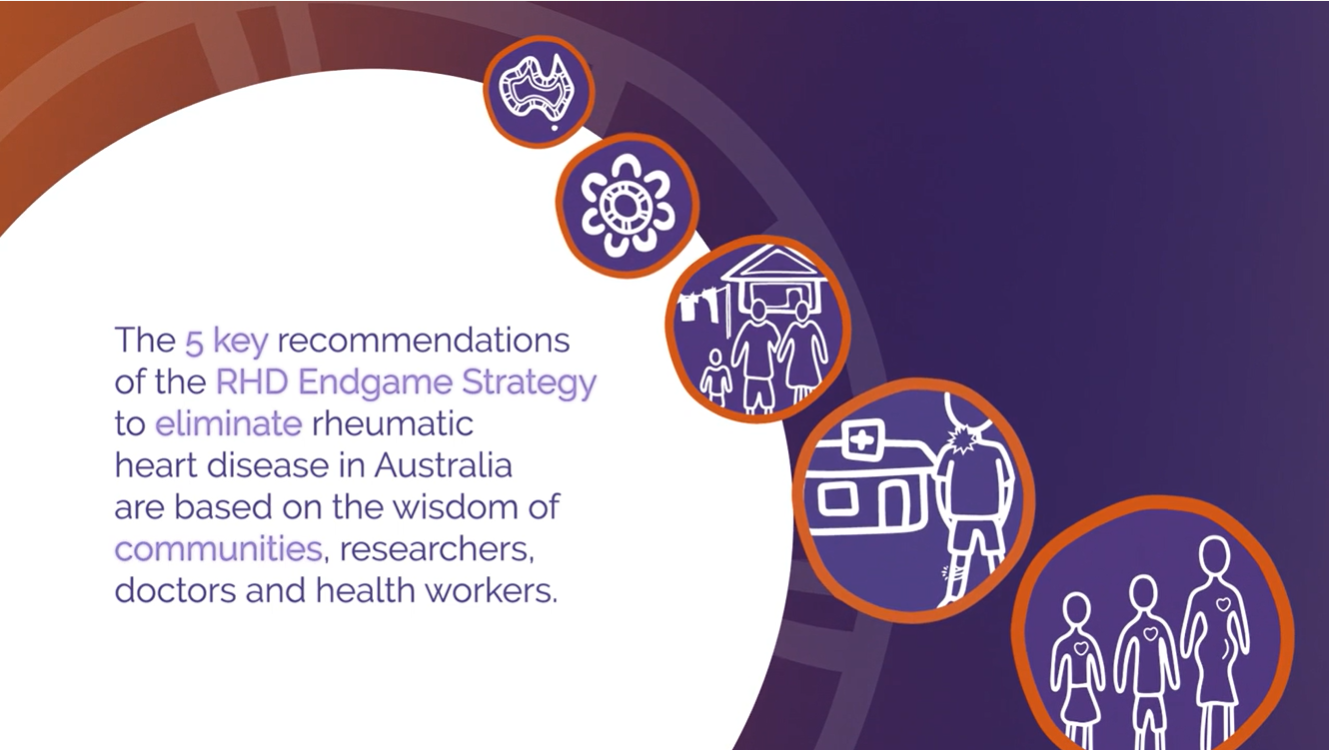
Across Australia, more than 5,000 Aboriginal and Torres Strait Islander people are currently living with rheumatic heart disease (RHD) or its precursor, acute rheumatic fever (ARF).