
Search
The study aimed to explore sociocultural factors influencing the risk of malaria and practices and beliefs towards malaria prevention, transmission and treatment in a remote village in Khatyad Rural Municipality (KRM) of Nepal. A sequential exploratory mixed methods approach was used.
Many publications have demonstrated the detrimental effects of school closures on children, families and communities in the past two years of the COVID-19 pandemic. Currently, there is a surge of Omicron cases as children prepare to return to school around the world. While many children are asymptomatic or have mild disease, it is nevertheless an important problem.
We aimed to assess the direct protective effect of 13 valent pneumococcal conjugate vaccine (13vPCV) against invasive pneumococcal pneumonia (IPP; including pneumonia and empyema) in children using a nation-wide case-control study across 11 paediatric tertiary hospitals in Australia.
Tick-borne diseases are a growing global health concern. Despite extensive studies, ill-defined tick-associated pathologies remain with unknown aetiologies. Human immunological responses after tick bite, and inter-individual variations of immune-response phenotypes, are not well characterised.
Multiple sclerosis is associated with Epstein–Barr virus (EBV) infection, B-cell dysfunction, gut dysbiosis, and environmental and genetic risk factors, including female sex.
Human movement drives spatial transmission patterns of infectious diseases. Population-level mobility patterns are often quantified using aggregated data sets, such as census migration surveys or mobile phone data. These data are often unable to quantify individual-level travel patterns and lack the information needed to discern how mobility varies by demographic groups. Individual-level datasets can capture additional, more precise, aspects of mobility that may impact disease risk or transmission patterns and determine how mobility differs across cohorts; however, these data are rare, particularly in locations such as sub-Saharan Africa.
The intensity of transmission of Aedes-borne viruses is heterogeneous, and multiple factors can contribute to variation at small spatial scales. Illuminating drivers of heterogeneity in prevalence over time and space would provide information for public health authorities. The objective of this study is to detect the spatiotemporal clusters and determine the risk factors of three major Aedes-borne diseases, Chikungunya virus, Dengue virus, and Zika virus clusters in Mexico.
Latest news & events at the Wesfarmers Centre of Vaccines & Infectious Diseases.

Researchers from the Wesfarmers Centre of Vaccines and Infectious Diseases at The Kids Research Institute Australia have shared their expertise with the community in Cockburn, covering topics ranging from respiratory disease in babies to recurring ear infections in kids.
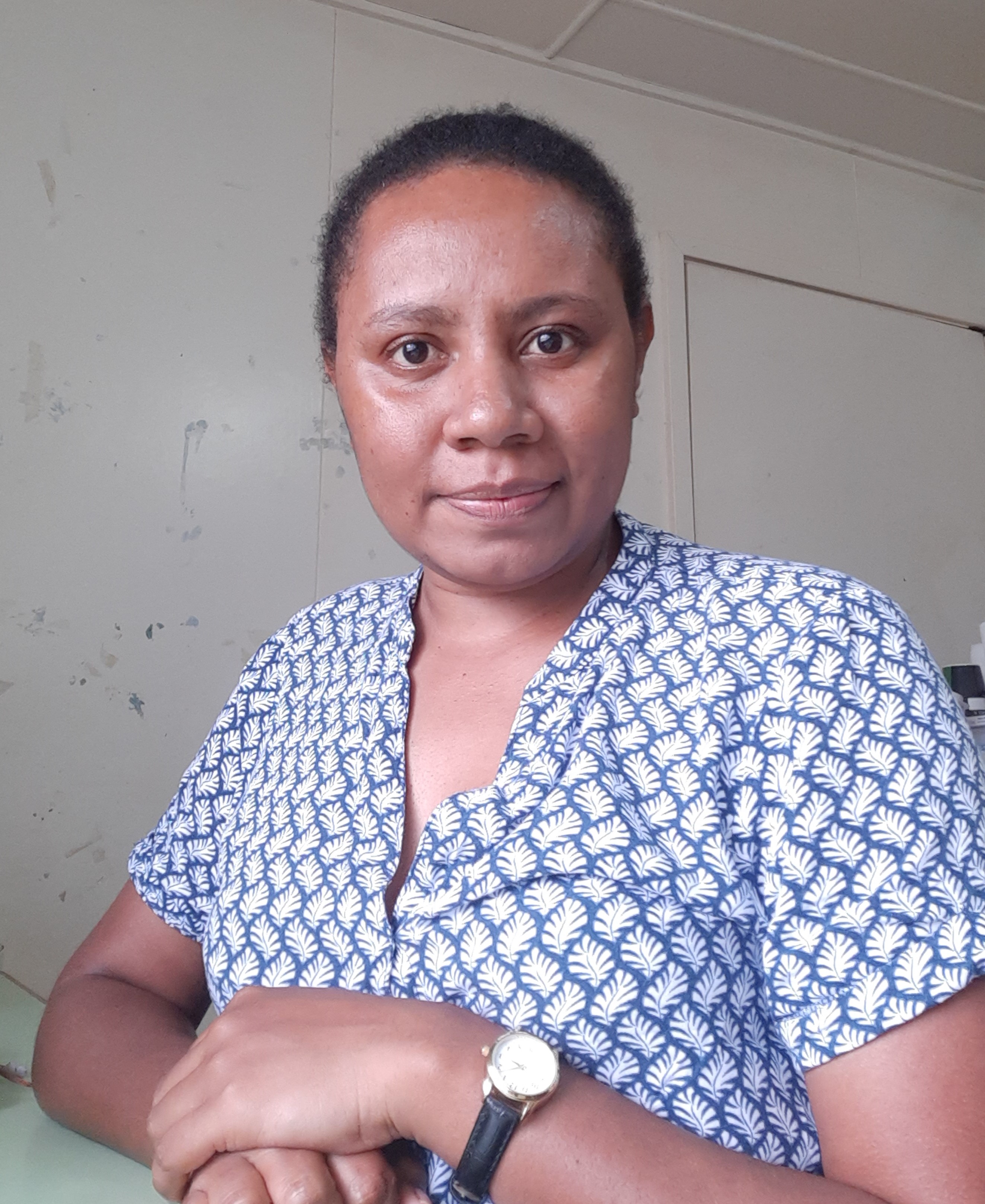
Congratulations to Dr Paula Tesine who is the successful recipient of the Deborah Lehmann Research Award. As the third recipient of the Deborah Lehmann Research Award, Dr Tesine received $30,000 towards her research.