
Search
The intensity of transmission of Aedes-borne viruses is heterogeneous, and multiple factors can contribute to variation at small spatial scales. Illuminating drivers of heterogeneity in prevalence over time and space would provide information for public health authorities. The objective of this study is to detect the spatiotemporal clusters and determine the risk factors of three major Aedes-borne diseases, Chikungunya virus, Dengue virus, and Zika virus clusters in Mexico.
Acute poststreptococcal glomerulonephritis (APSGN) is an immune complex-induced glomerulonephritis that develops as a sequela of streptococcal infections. This article provides guidelines for the surveillance of APSGN due to group A Streptococcus (Strep A). The primary objectives of APSGN surveillance are to monitor trends in age- and sex-specific incidence, describe the demographic and clinical characteristics of patients with APSGN, document accompanying risk factors, then monitor trends in frequency of complications, illness duration, hospitalization rates, and mortality.
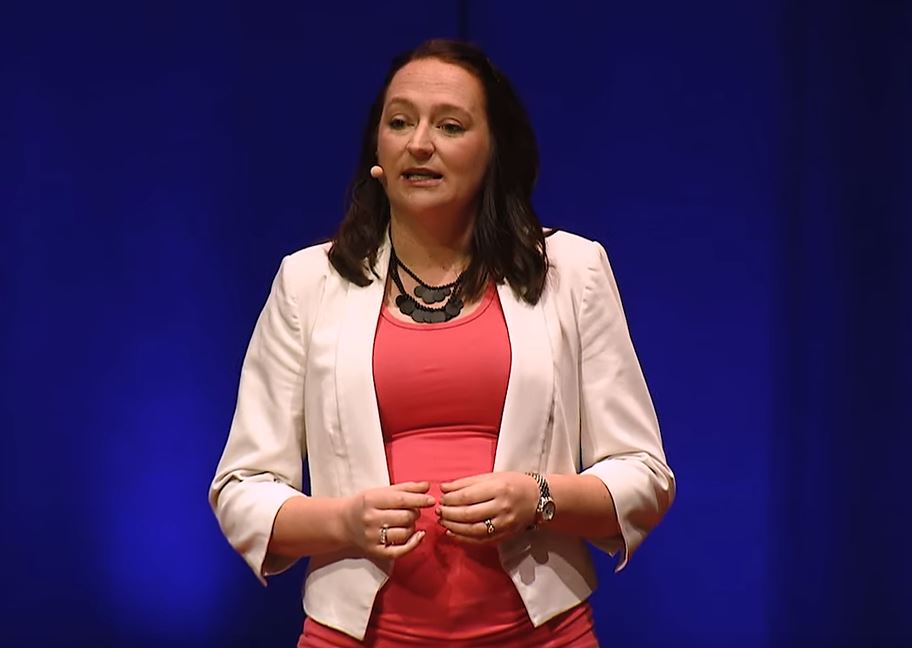
Dr Hannah Moore was one of WA’s brightest minds chosen to speak at TEDX Perth in November last year, presenting her insights into the power of data in fighting infectious diseases to a sold-out crowd at the Perth Concert Hall.
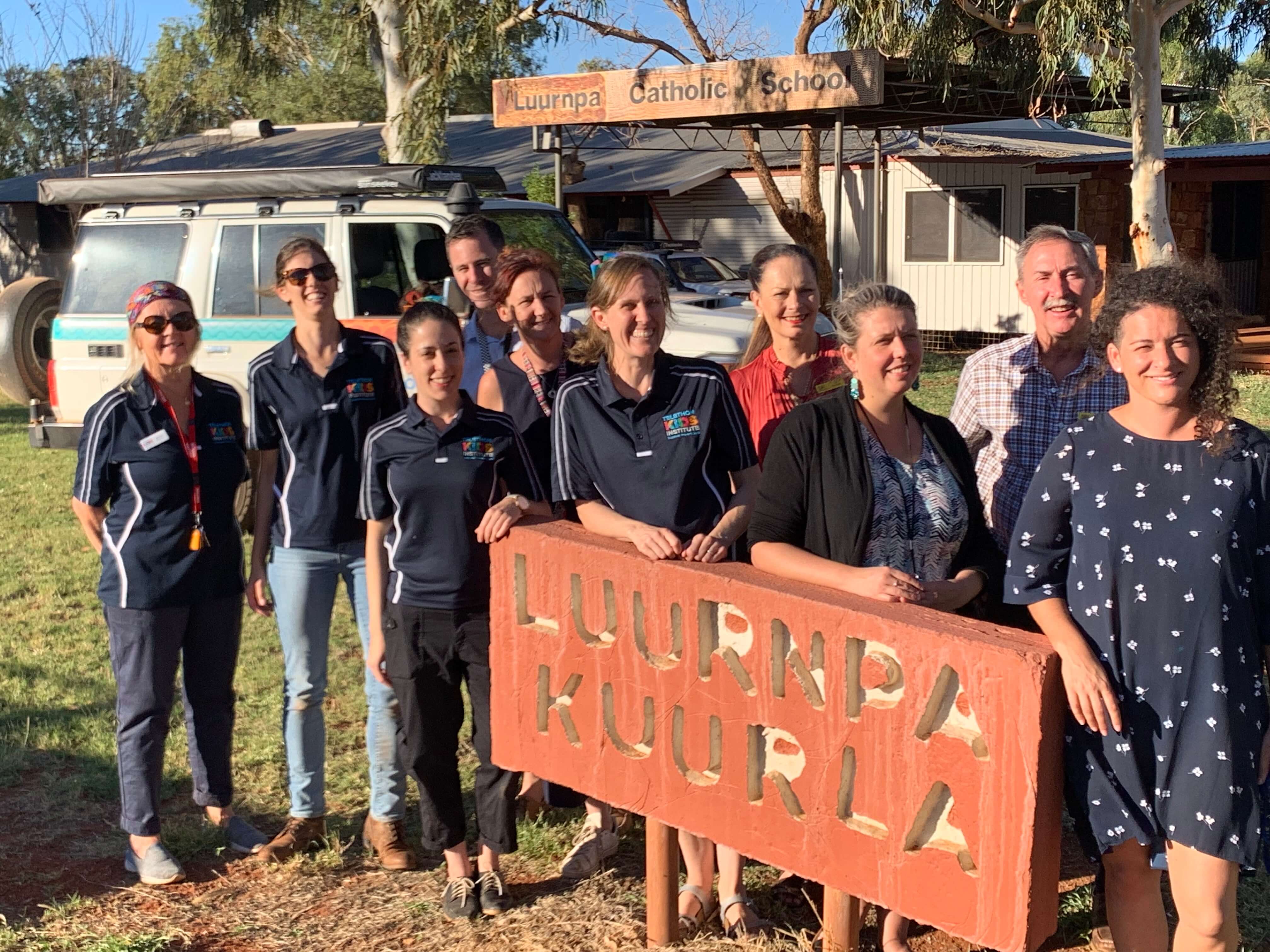
The The Kids Skin Health team has a busy six weeks ahead - visiting nine communities throughout the Kimberley region of WA as part of the first school surveillance activities for the SToP Trial.
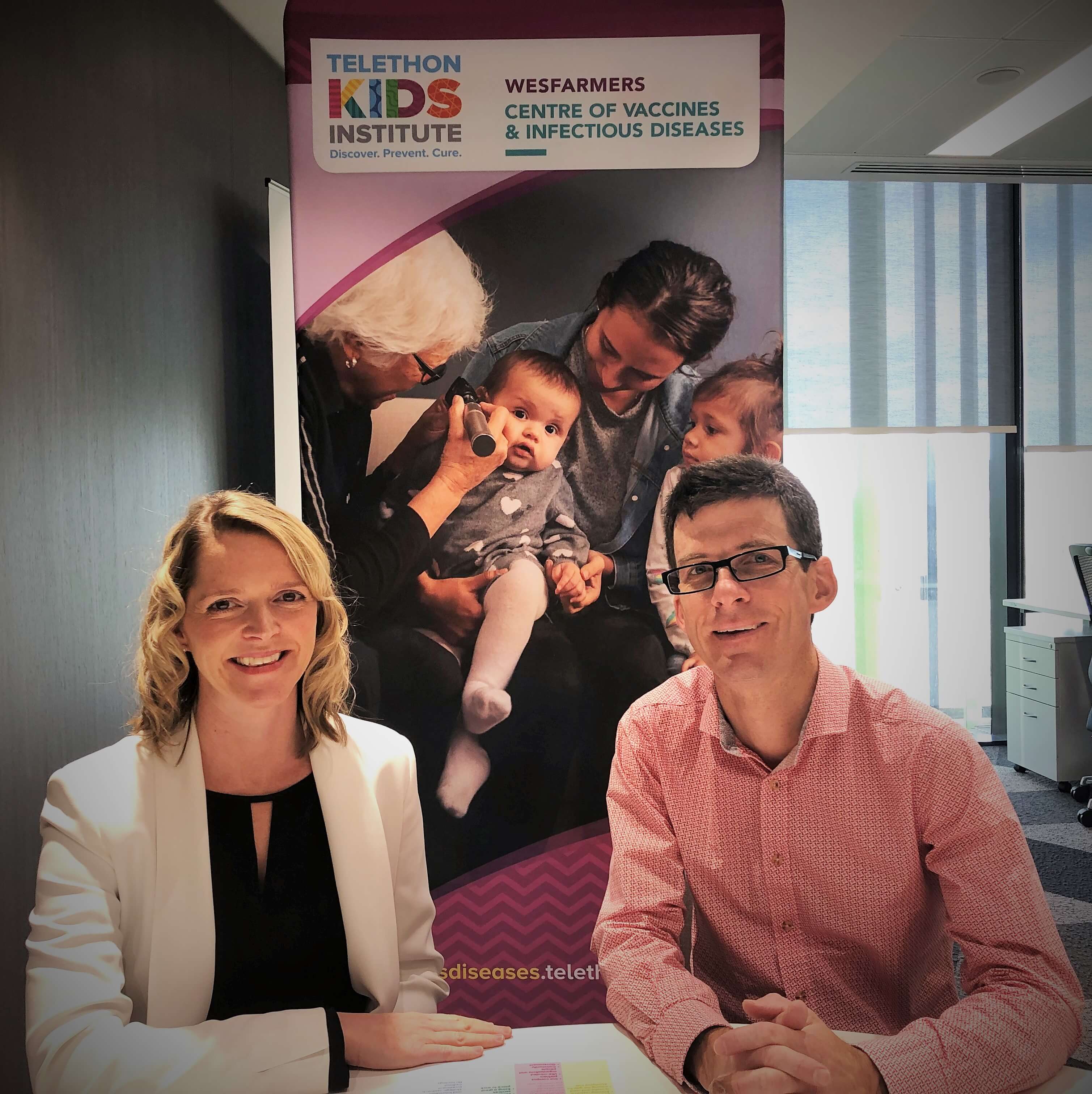
Dr Lea-Ann Kirkham and Dr Chris Blyth have been appointed as Co-Directors
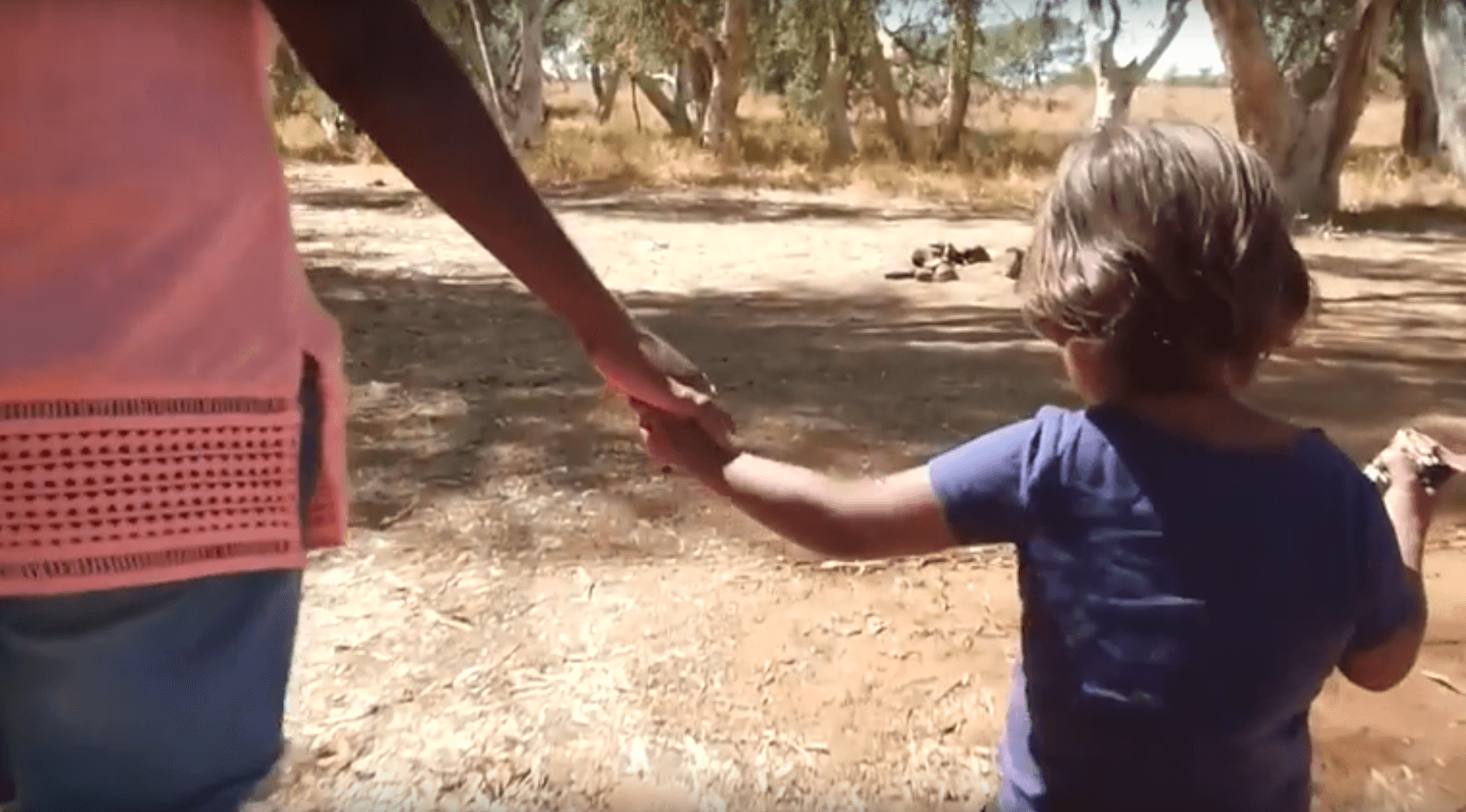
Aboriginal mum and child
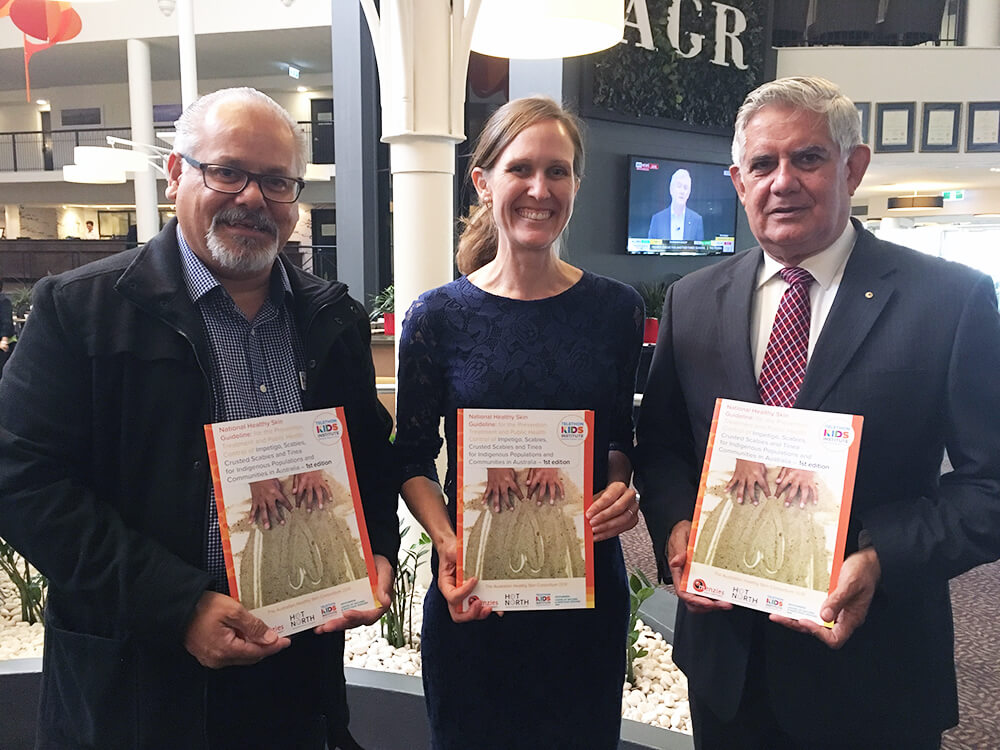
Researchers have developed the first National Healthy Skin Guideline to address record rates of skin infections in Australia’s Indigenous communities.

A new study shows that people living in the Oceania region, including Australia, have the highest risk in the world of dying from rheumatic heart disease.
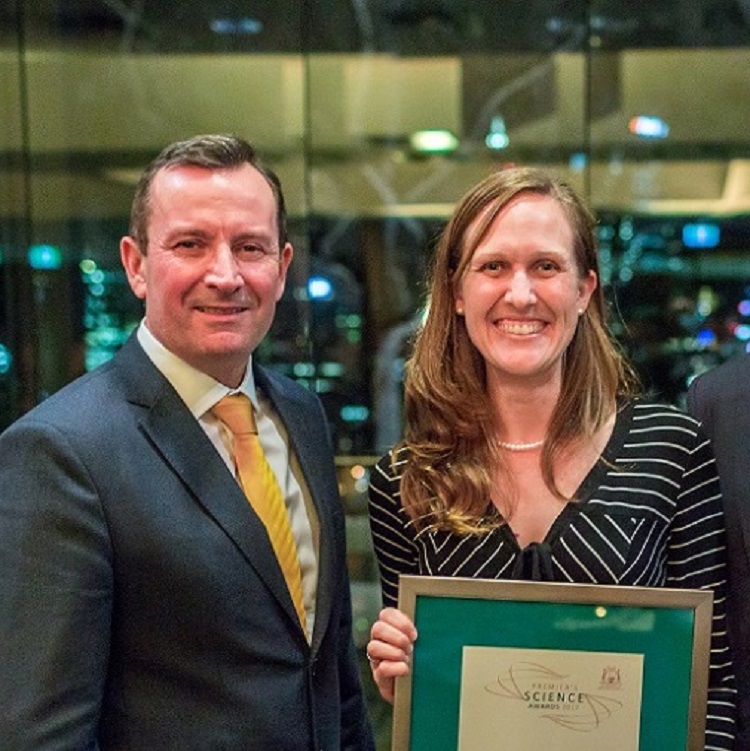
Infectious diseases researcher, Dr Asha Bowen, has won the Early Career Scientist of the Year Premier's Science Award for 2017.
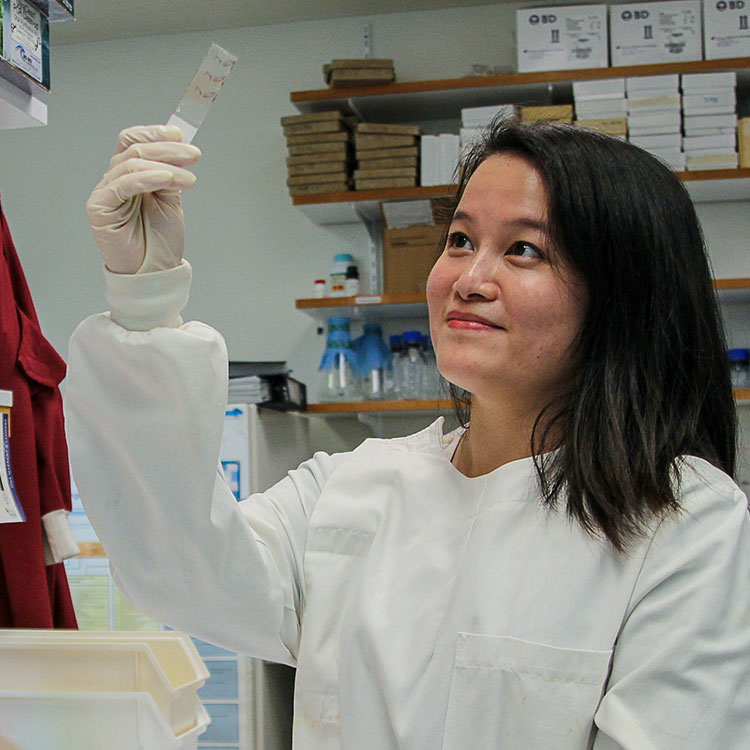
The Kids Research Institute Australia researchers have been awarded five of eight State Government awards designed to help cover the hidden costs of conducting research.