
Search
On the 9th of November from 5:30 to 7:30pm, Embrace @ The Kids Research Institute Australia, in partnership with Rio Tinto, invites you to a free public panel discussion on permacrisis and the mental health of young people.

Communities with poor access to mental health services are eight times more likely to be youth suicide hotspots, according to new The Kids Research Institute Australia research.
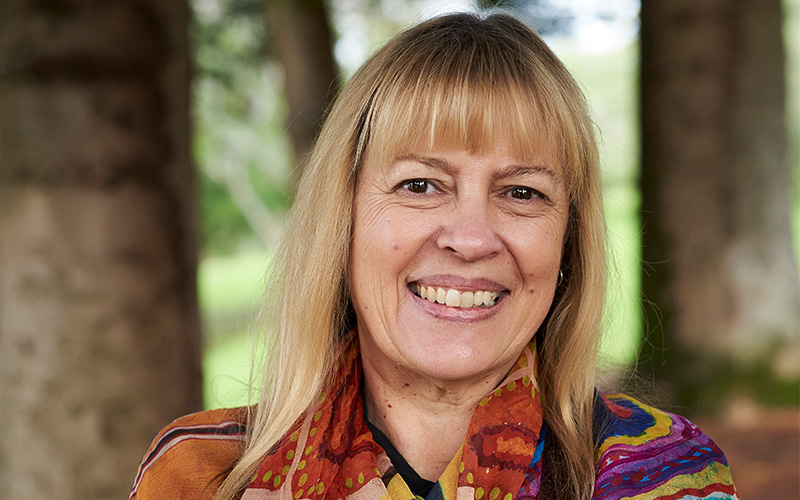
Prominent consultant psychiatrist and Western Australia’s 2021 Australian of the Year, Professor Helen Milroy AM, has been recognised as a Member of the Order of Australia (General Division).
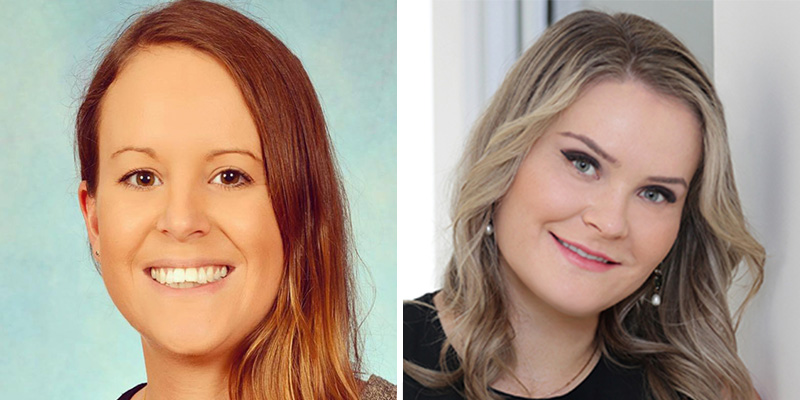
Two researchers focused on improving outcomes for children with chronic lung disease and averting suicide contagion and suicide clusters in young people have won prestigious Investigator Grants from the National Health and Medical Research Council.

Congratulations Dr Nicole Hill, who has been honoured at this year’s prestigious 40under40 Awards for her outstanding contributions to suicide prevention research in Australia.
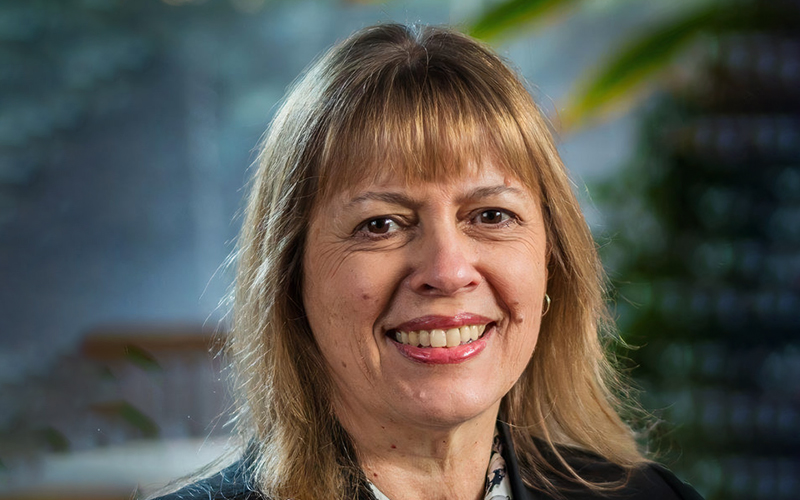
The Kids Research Institute Australia congratulates Professor Helen Milroy on being named Western Australia’s 2021 Australian of the Year.
Growing up in socioeconomic disadvantage increases risk of peer bullying at school. Both socioeconomic status and involvement in bullying are predictive of a range of adverse developmental outcomes. However, neither (a) the mechanisms whereby disadvantage increases bullying risk nor (b) the developmental outcomes for which bullying may mediate disadvantage are clear.
The existing literature exploring the experiences of parenting a trans child tends toward reporting the challenging aspects of the parental journey. Studies also reference positive experiences such as enhanced parent-child connectedness and affirmation of personal values. Limited dedicated research focused on the positive aspects of parenting a trans child exists. We aimed to better understand positive parental experiences accordingly.
Mental ill-health, substance use and their co-occurrence among sexuality diverse young people during earlier adolescence is relatively understudied. The preventive utility of positive school climate for sexuality diverse adolescents' mental health is also unclear, as well as the role of teachers in conferring this benefit.
Qualitative research on sensitive topics (e.g. abuse, mental health difficulties, discrimination) is needed to understand lived experiences of complex issues. However, this type of research raises concerns about potential adverse effects on participants, especially with younger participants and those from marginalized populations. In this study, we conducted a reflexive thematic analysis of 20 trans adolescents’ (14–18 years of age) experiences of participating in research about their stigma experiences.