
Search
Preterm birth is associated with lifelong respiratory sequelae, yet our understanding of lung function trajectories across the lifespan remains limited. We aimed to identify patterns of spirometry development from childhood to early adulthood in survivors of very preterm birth using novel data-driven methods.
Survivors of preterm birth (<37 weeks' gestation) have low peak oxygen uptake, a global measure of aerobic fitness and an established predictor of increased morbidity and mortality. However, little is known about other cardiopulmonary outcome measures in this population. We addressed the hypothesis that preterm birth is associated with abnormal respiratory, cardiovascular and metabolic responses to exercise, as assessed by cardiopulmonary exercise testing, via a systematic review and meta-analysis.
The identification of a COPD etiotype associated with preterm birth (COPD-developmental) has expedited calls for intervention strategies that may improve health outcomes for survivors of preterm birth (<37 weeks' gestation). Pulmonary-rehabilitation style training interventions achieve physiological and symptom improvement in older people with COPD, but whether similar training interventions are suitable for young people is unclear. We sought to understand the perceived need and requirements of an exercise training intervention for children, adolescents and adults born preterm.
Despite the substantial burden of lung disease throughout childhood in children who were born very preterm, there are no evidence-based interventions to improve lung health beyond the neonatal period. We tested the hypothesis that inhaled corticosteroid improves lung function in this population.
Preterm infants have immature control of breathing and impaired pulmonary gas exchange. We hypothesized that infants with bronchopulmonary dysplasia (BPD) have a blunted ventilatory response and peripheral oxygen saturation (SpO2 ) instability during a hypoxic challenge.
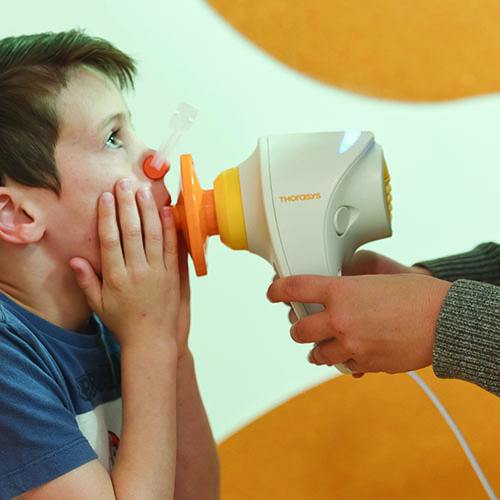
A new study is helping to identify treatment options to improve the lung function of premature babies, after it was determined survivors of preterm birth were at risk of declining lung health.
It is essential to embed patient and public perspectives into every stage of the research journey, including setting the future research agenda. The substantial gaps in our understanding of prematurity-associated lung disease presented a timely opportunity to determine the community's research priorities.
There is no published information on preterm children's activities and participation during middle childhood, a time when growth and development are characterised by increasing motor, reasoning, self-regulation, social and executive functioning skills. This study explored the health, activities and participation of children born very preterm during middle childhood (6-9 years) from the perspectives of their parents.
Preterm birth is associated with a 3.3-fold increased likelihood of autism diagnosis, with lower gestational age conferring higher likelihood. In Australia, autism is typically diagnosed at around age four, potentially missing the optimal neuroplasticity window before age two. The Social Attention and Communication Surveillance-Revised (SACS-R) tool identifies early autism signs in children aged 11-30 months, enabling pre-emptive intervention.
Normal in utero lung development and growth rely upon the expansion of airspaces and the controlled efflux of lung liquid into the amniotic space. Infants with congenital diaphragmatic hernia (CDH) also have lung hypoplasia due to occupation of the chest cavity by the stomach and bowel and, in the most severe cases, the liver. Balloon tracheal occlusion reduces the severity of lung hypoplasia in fetuses with CDH but increases the risk of premature birth.